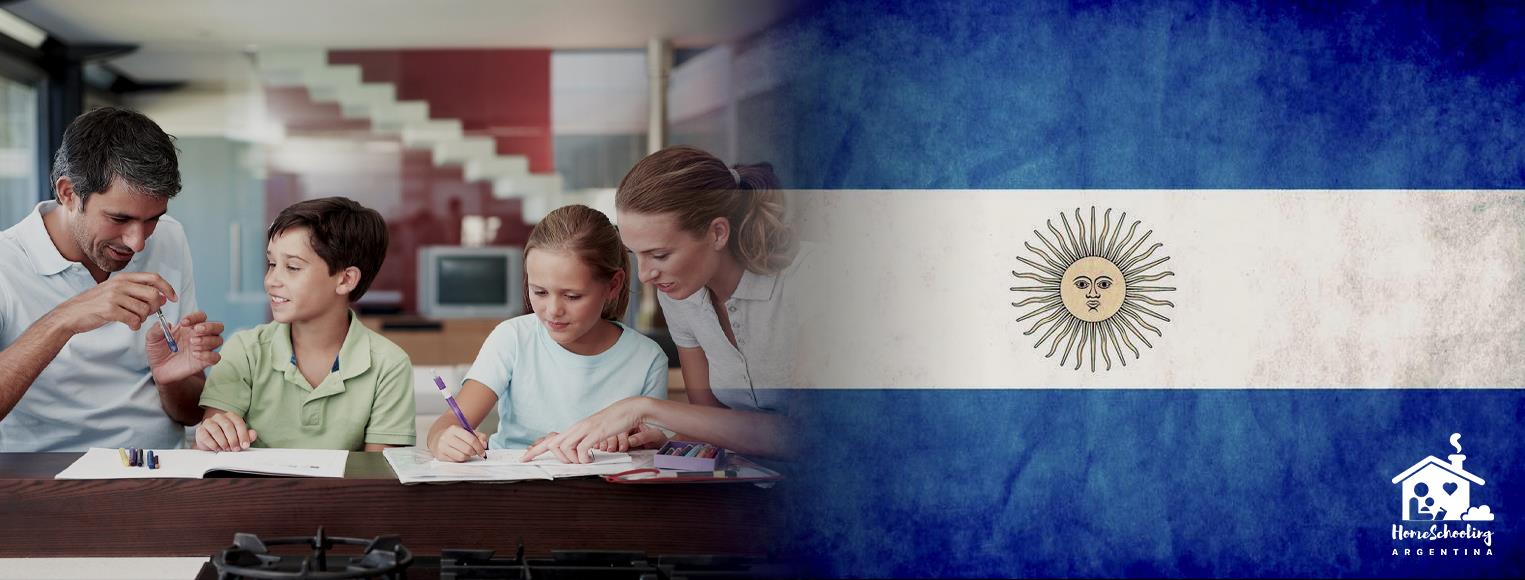
Homeschooling In Argentina A Practical Guide For Families
Deciding to pull your children out of the traditional school system in Argentina isn’t just a change of schedule. It is a significant legal and social leap. The landscape here is vastly different from the United States or parts of Europe where unschooling might feel like a casual weekend project. Here, education is taken seriously by the state, and navigating the bureaucracy requires patience, organization, and a clear understanding of your rights.
Many parents come to this decision after feeling disconnected from the rigid structures of public or private schools. Perhaps your child is bored, bullied, or simply thrives in a different learning environment. Whatever the reason, the goal remains the same: provide an education that fits your family’s values while staying compliant with Argentine law. Let’s break down how that actually works on the ground.
Understanding the Legal Framework
The first thing you need to know is that homeschooling, or educación en el hogar, is not universally recognized as a standalone right across all provinces for every grade level. It can be a bit of a patchwork quilt depending on where you live. The national education system is highly regulated, and the Ministry of Education generally expects children to be enrolled in a formal institution.
However, there is a legal pathway. The key lies in the concept of extradito (external student). Instead of "homeschooling" in the informal sense, you register your child as an external student with the Education Ministry. This allows you to homeschool them throughout the year and only appear for the mandatory mid-year and final exams.
This distinction is crucial. You are not opting out of the educational system; you are opting out of the daily attendance but still accepting the state’s curriculum and evaluation model. Ignoring this step can have serious consequences, including accusations of neglect of compulsory education.
The Step-by-Step Registration Process
Getting started requires administrative diligence. You cannot simply decide one day to stop sending kids to school. Here is the general workflow you will need to follow.
- Withdraw from the previous school: If your child was previously enrolled, you must officially deregister them. Keep all documentation from this process. The school is required to provide your academic records, so insist on receiving them promptly.
- Gather required documentation: You will typically need your child’s birth certificate, proof of residence, your ID documents, and the previous school’s transcript. Some provinces may require a medical certificate proving the child is fit for study, though this is less common now.
- Submit the request to the Directorate: You must contact the local Directorate of Primary or Secondary Education (depending on your child’s level). They will provide a specific form to declare your intent to study as an external student. This usually needs to be done within a specific window, often in January or early February.
Timing is everything. Missing the registration deadline can mean waiting another full year to start the process. It is not uncommon for bureaucracies in Argentina to be slow, so apply as early as possible.
What To Expect Academically
Once you are registered, the ball is in your court for about nine months of the year. You are free to choose your curriculum, methods, and pacing. Some families follow the official Argentine curriculum closely to ensure the exams are straightforward. Others adopt International Baccalaureate standards, classical education, or purely interest-led unschooling.
The exams are the real hurdle. They are standardized and can be quite rigid. For primary levels, they often focus on literacy and numeracy. For secondary levels, they cover specific subjects like History, Geography, Biology, and Literature. You will need to prepare your children for these assessments independently. There are no teachers to help them study; that is your responsibility.
If a child fails an exam, they may retake it, but repeated failures can complicate your status. It is vital to gauge your child’s readiness honestly. If they are falling behind, you have the option to re-enroll in a traditional school without losing their age cohort, though administrative hurdles may apply.
Community and Socialization
A common concern for new homeschooling families is socialization. In Argentina, the culture is deeply social, and school is a primary hub for community interaction. Leaving that behind can feel isolating at first.
Luckily, a robust homeschooling community has emerged, particularly in major cities like Buenos Aires, Córdoba, and Mendoza. Parents organize co-ops, field trips to museums, parks, and zoos, and subject-specific study groups. These networks provide not just socialization for the kids, but crucial support for the parents. Sharing resources, exam tips, and legal updates with other families is invaluable.
You will find that many homeschooled children in Argentina are well-integrated. They participate in sports clubs, dance classes, and volunteer work. The key is intentionality. You have to actively create social opportunities rather than expecting them to fall into your lap.
Challenges And Considerations
It is important to acknowledge the difficulties. The bureaucratic load can be heavy. Dealing with government offices in Argentina often requires persistence and a thick skin. You may face skepticism from family members or even strangers who question the legitimacy of your choice.
Financially, while you save on tuition, you spend time and resources on materials, exams, and extracurricular activities. One parent usually needs to reduce working hours or stay home, which impacts the household income. It is a significant sacrifice that requires careful budgeting.
Emotionally, the role of educator and parent can blur. Maintaining boundaries is tough. Some days are bright and productive; others are fraught with conflict. Accepting that some days will be messy is part of the journey.
Is It Worth It?
For many families, the answer is a resounding yes. The ability to tailor education to a child’s interests, pace, and learning style is liberating. You can travel, explore passions, and build a deeper connection with your children. You avoid the pitfalls of overcrowded classrooms and rigid schedules.
However, it is not for everyone. It demands discipline, organization, and a willingness to navigate a system that doesn’t always make it easy. If you are prepared for the paperwork and the responsibility, homeschooling in Argentina can be a rich, rewarding experience that opens more doors than it closes.
Start with the basics: understand your local province’s rules, connect with existing families, and assess your own capacity to teach. Once those pieces fall into place, you can build an educational journey that truly fits your family.