How a Yellowstone Supervolcano Could Impact Us
When you hear “Yellowstone,” images of geysers and wandering bison probably spring to mind. Few realize that beneath that iconic landscape lies a massive volcanic system capable of reshaping the climate, the economy, and everyday life across the globe. Understanding the basics—not just the headlines—helps put the real risk into perspective.
What Makes Yellowstone a Supervolcano?
Unlike the classic image of a single, towering cone, a supervolcano is a sprawling underground magma chamber that feeds countless surface features. In Yellowstone, the magma reservoir sits roughly 5 to 15 kilometers beneath the park and spans an area larger than the state of Rhode Island. When it erupts, the volume of ejected material can exceed 1,000 cubic kilometers—orders of magnitude larger than a typical stratovolcano.
Key indicators of this “super” status include:
- Caldera Size: The current Yellowstone Caldera measures about 55 by 72 kilometers, a scar left by a cataclysmic eruption 640,000 years ago.
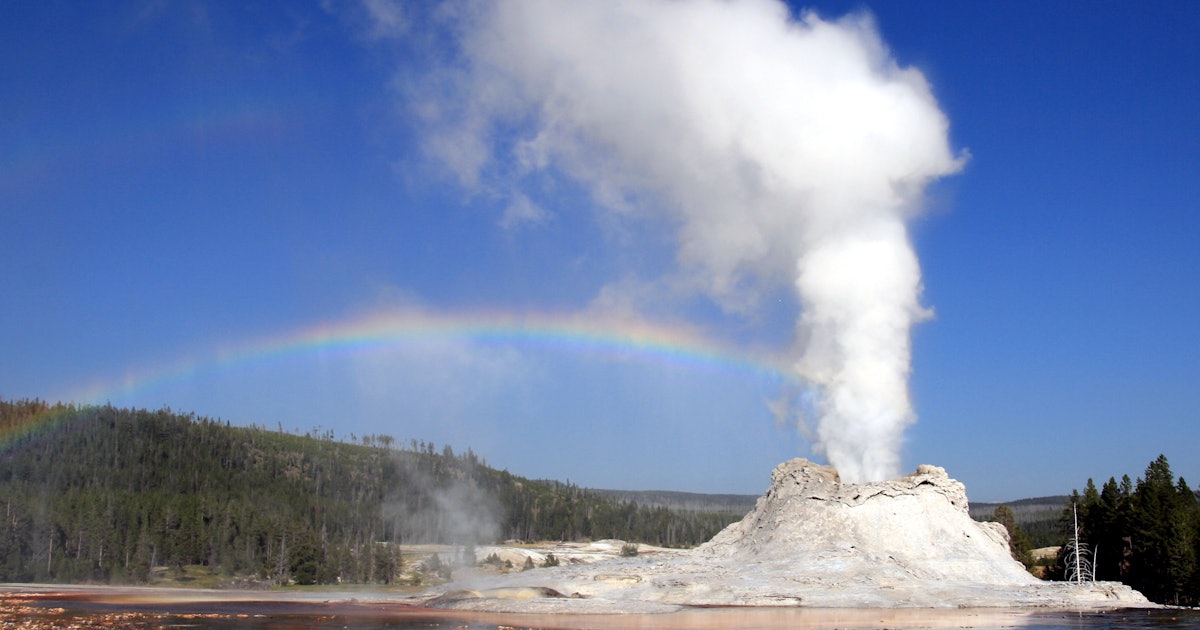
- Geothermal Activity: Over 10,000 hydrothermal features, from Old Faithful to steaming mud pots, signal intense heat near the surface.
- Seismicity: Hundreds of small earthquakes per year hint at the restless tug‑of‑war between rising magma and the surrounding crust.
How Likely Is Another Super‑Eruption?
Scientists stress that a “super‑eruption” is not imminent. The United States Geological Survey estimates the probability of such an event in any given century at roughly 0.001–0.01 %, meaning it is far more likely you’ll win the lottery than see the sky turn ash‑filled. However, the system does produce smaller eruptions—like the three that occurred over the past two million years—so it’s not a dormant feature.
Monitoring efforts focus on three main signals:
- Ground deformation (measured by GPS and InSAR satellites)
- Gas emissions, especially sulfur dioxide and carbon dioxide
- Earthquake patterns, including depth and magnitude trends
When any of these metrics show a sustained, unusual shift, researchers issue alerts and adjust risk models accordingly.
Potential Global Effects of a Major Eruption
Even a “moderate” eruption—far below the super‑eruption threshold—could have widespread consequences. Here’s a snapshot of what scientists predict:
Atmospheric Changes
Volcanic ash and sulfuric aerosols would loft into the stratosphere, scattering sunlight and potentially cooling global temperatures by up to 2 °C for a few years. Agriculture could suffer as growing seasons shorten, especially in higher latitudes.
Regional Fallout
Within a few hundred kilometers, ash could accumulate several centimeters thick. That would cripple transportation, damage engines, and overwhelm emergency services. Buildings not built to withstand ash loads might suffer roof collapses.
Economic Ripples
Tourism, a $3 billion industry for the park, would take an immediate hit. Meanwhile, farming communities downwind could face crop loss, prompting price spikes in food commodities. Insurance payouts for property damage would surge, straining local economies.
What We’re Doing to Prepare
Preparation isn’t about building bunkers; it’s about practical, science‑based measures. Agencies across the United States and Canada collaborate through the Yellowstone Volcano Observatory (YVO), a partnership that pools data, expertise, and resources.
Key steps include:
- Regularly updating hazard maps that outline zones of likely ashfall and lava flow.
- Distributing emergency kits—N‑95 masks, goggles, and basic medical supplies—to nearby communities.
- Running public drills that teach residents how to seal homes against ash infiltration.
- Encouraging farmers to stockpile feed for livestock, as ash can contaminate pasture grass.
These initiatives are low‑cost but boost resilience significantly, especially for the towns of Cody, Jackson, and Bozeman, which sit within the broader risk envelope.
Common Misconceptions
Myth: “If the volcano erupts, the whole world will be covered in ash.”
Reality: Ash distribution follows wind patterns. While the United States would bear the brunt, most of the ash would settle within a few hundred kilometers of the source.
Myth: “The park would close forever after an eruption.”
Reality: Geological history shows that Yellowstone has recovered repeatedly. New geysers, hot springs, and ecosystems would likely emerge over centuries.
What You Can Do Now
Preparedness starts with awareness. Here are a few simple actions you can take today:
- Subscribe to alerts from the USGS or local emergency management agencies.
- Keep a small ash‑ready kit in your vehicle—dust mask, a plastic sheet, and a flashlight.
- Talk to your family about emergency plans: where to shelter, how to protect water supplies, and who to contact.
Even if the odds are slim, taking these modest steps can reduce anxiety and ensure you’re not caught off‑guard should something unexpected happen.
Looking Ahead
Yellowstone will continue to be a natural wonder, a research laboratory, and—yes—a potential source of volcanic hazard. The best approach is a balanced one: respect the power beneath the park, stay informed, and support the monitoring programs that keep us all safe. In doing so, we enjoy the geysers today while safeguarding tomorrow.