How Acoustic Levitation Is Transforming Holograms for Tomorrow
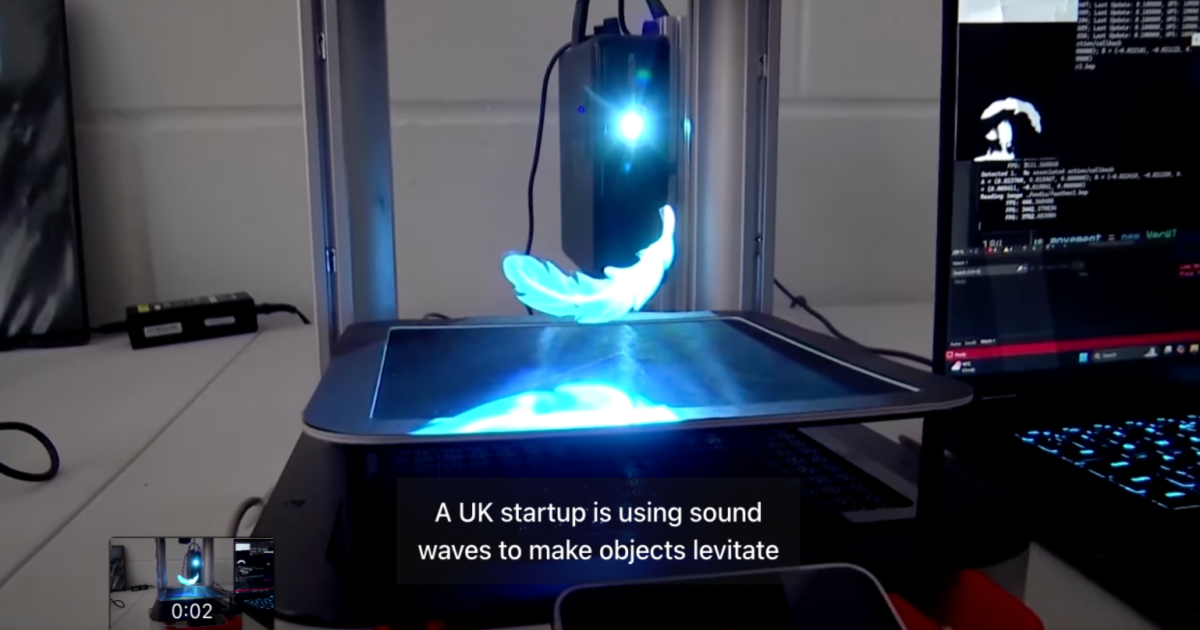
Imagine a holographic image that doesn’t just sit on a screen but floats, rotates, and interacts with its surroundings without any physical support. That’s the promise of acoustic levitation, a technology that uses focused sound waves to suspend tiny particles in mid‑air. When combined with advanced photonics, the result is a new breed of holograms that feel almost alive.
What Is Acoustic Levitation?
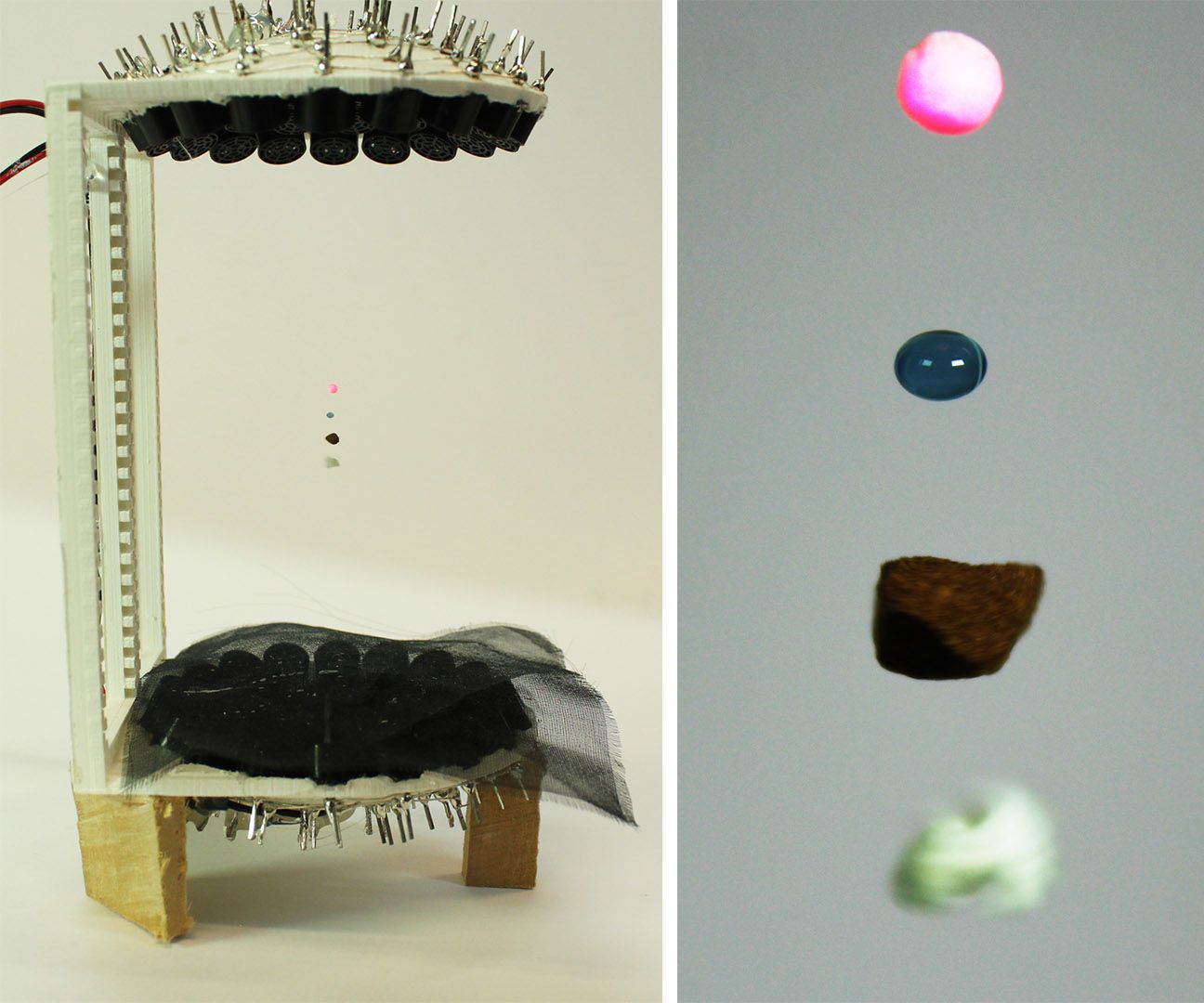
At its core, acoustic levitation relies on standing waves—patterns of high‑pressure and low‑pressure zones created by ultrasonic transducers. When an object lands in a pressure node, the upward acoustic force can balance gravity, keeping the object suspended.
The trick is precision. Modern arrays can manipulate forces down to a few microns, meaning even dust‑sized particles can be held steady enough to act as a canvas for light.
From Light‑Bones to Living Images
Traditional holograms depend on a solid medium—glass or plastic—to diffract light. Acoustic levitation replaces that medium with a dynamic “cloud” of particles. By rapidly adjusting the acoustic field, the shape of the particle cloud can be reshaped in real time, allowing the hologram to evolve.
- Depth without glass: Light scatters off the levitated particles, creating true three‑dimensional depth.
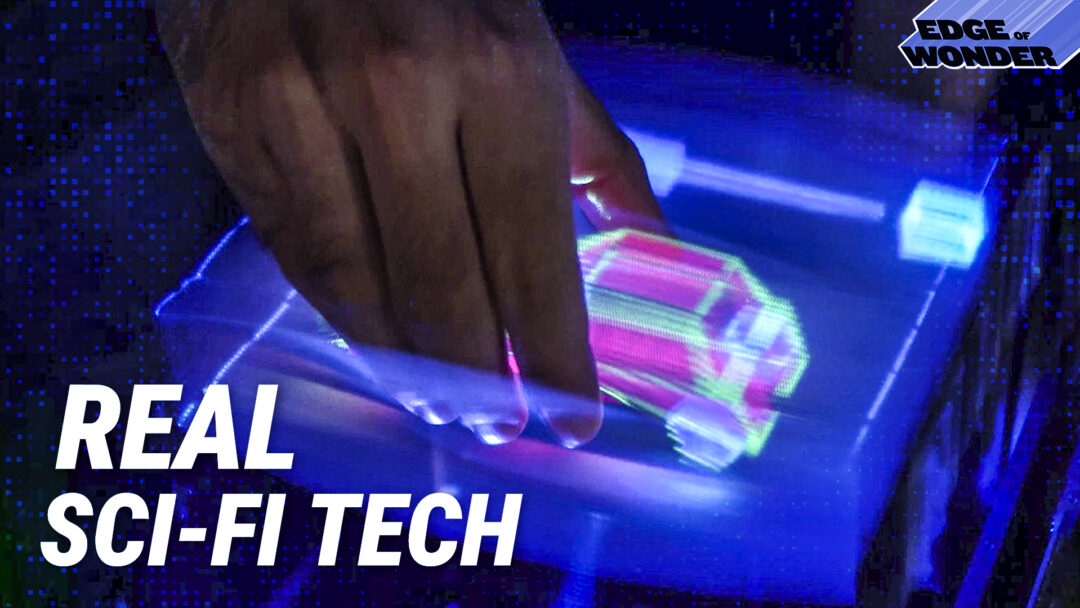
- Interactivity: Sensors can modify the acoustic field, letting users gesture and change the hologram’s form.
- Reconfigurability: There’s no need to print a new holographic plate; the same hardware can display countless designs.
Current Applications on the Horizon
While still emerging, several fields are already testing the technology.
Medical Visualization
Surgeons could project a patient’s scan as a floating hologram, rotating it to examine arteries from any angle. The levitated particles provide a tactile reference, helping to gauge size and distance without touching a monitor.
Retail and Advertising
Imagine a shoe store where a sneaker hovers above a pedestal, allowing shoppers to see it from every side without a physical model. Brands can switch displays in seconds, keeping the experience fresh.
Scientific Research
Researchers studying fluid dynamics or particle physics can create controllable, contact‑free environments. By levitating a droplet and projecting light patterns onto it, they can observe phenomena that would otherwise be obscured by a container.
Challenges That Still Need Solving
Every breakthrough comes with hurdles.
- Particle Stability: Maintaining consistent levitation over long periods can be energy‑intensive, especially for larger displays.
- Resolution Limits: The clarity of the hologram depends on particle size and density; too few particles lead to a grainy image.
- Acoustic Noise: Ultra‑high frequencies are inaudible, but the equipment can generate subtle vibrations that may affect sensitive environments.
Engineers are tackling these issues with smarter transducer arrays and smarter control algorithms, gradually pushing the technology toward mainstream viability.
What the Future Might Hold
Looking ahead, we may see rooms where entire walls become canvases of levitated holograms, changing on the fly to match a conference’s theme or a concert’s visual effects. Pairing acoustic levitation with AI‑driven image synthesis could let users describe a scene in plain language and watch it materialize before their eyes.
Another tantalizing possibility is the integration with virtual reality. Instead of wearing a headset, users could walk among floating holographic objects that respond to their movements, blurring the line between the digital and physical worlds.
Why It Matters Now
Aside from the wow factor, acoustic‑levitation holograms could reduce waste. Traditional displays require printed media or expensive glass plates; a levitated setup reuses the same particles again and again. In sectors like education, this could mean lower costs for immersive teaching tools.
Moreover, the contactless nature of the technology aligns with heightened hygiene standards post‑pandemic. Touch‑free interfaces are not just convenient—they’re becoming a health consideration.
Getting Involved
If the concept intrigues you, there are low‑barrier ways to explore.
- DIY kits with ultrasonic transducers are available for hobbyists interested in basic levitation experiments.
- Online workshops often combine acoustic levitation demos with introductory holographic projection tutorials.
- Universities and research labs sometimes open their doors for public tours, showcasing live experiments.
Even if you’re not building a system yourself, keeping an eye on industry news can give you a glimpse of when these floating holograms might appear in everyday settings.
In short, acoustic levitation is turning what used to be a science‑fiction visual into something we could soon walk around. As the technology matures, the line between imagined and real will keep shifting, and the future of holograms looks surprisingly weightless.