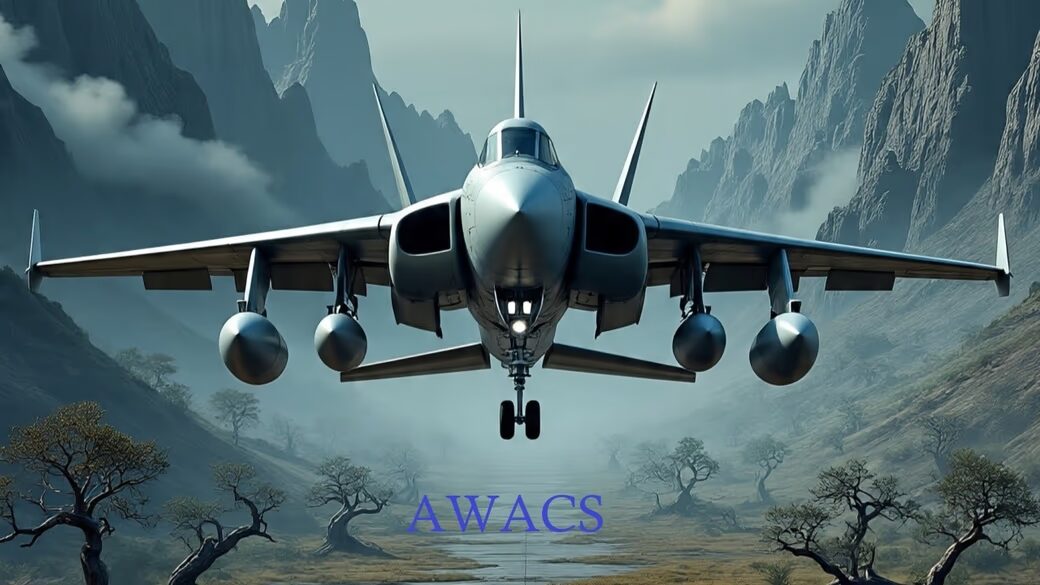
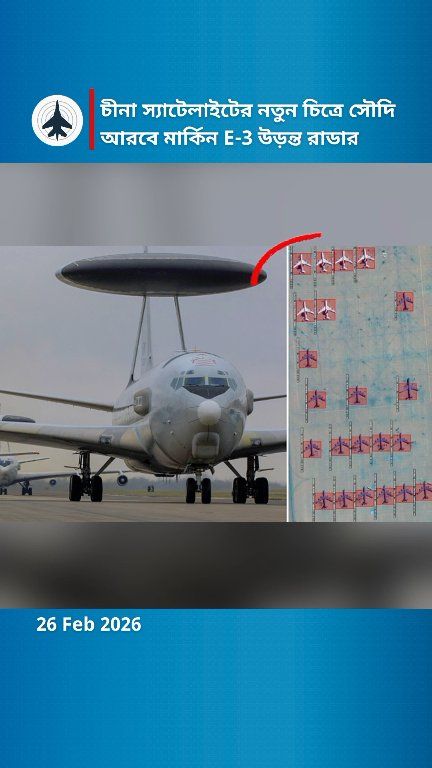
How AWACS Aircraft Define Essential Roles in Modern Warfare
When you hear the hum of a radar dome slicing through the sky, you’re likely picturing an AWACS aircraft—an airborne early‑warning and control platform that has become a linchpin in today’s battlefields. Far more than a flying radar dish, these planes blend surveillance, communication, and command functions into a single, high‑altitude asset. In the first few minutes of a conflict, the information they feed to commanders can shift the balance from chaos to coordinated action.
Why Airborne Early Warning Still Matters
Ground‑based radars have improved dramatically, yet they’re tethered to terrain and vulnerable to jamming. An AWACS (Airborne Warning and Control System) aircraft flies above the weather, out of line‑of‑sight threats, and beyond many electronic‑warfare measures. By positioning sensors at altitude, the platform can see farther—sometimes over a thousand nautical miles—while maintaining a 360‑degree view that ground stations simply can’t match. This persistent, high‑altitude picture is the backbone of modern situational awareness.
Core Functions on the Modern Battlefield
- Airspace Surveillance: Long‑range radar sweeps detect hostile aircraft, missiles, and even low‑observable drones before they become immediate threats.
- Battle Management: The aircraft acts as a floating command post, linking fighters, ground forces, naval units, and satellites into a single data network.
- Electronic Warfare Support: Built‑in jamming and signal‑intelligence suites can both protect friendly communications and disrupt enemy radars.
- Target Identification: Advanced processing algorithms differentiate between friend, foe, and neutral objects, reducing the risk of fratricide.
Each of these roles feeds into the next, creating a seamless loop where detection leads to decision, decision leads to action, and action feeds back into updated intelligence.
From Cold War Roots to 21st‑Century Integration
The first operational AWACS entered service in the late 1970s, primarily to counter Soviet bomber formations. Back then, the focus was simple: spot incoming aircraft early enough to scramble interceptors. Today, the same platform now integrates with data links like Link 16, enabling real‑time sharing of imagery, SIGINT, and even cyber‑threat alerts. In a typical mission, an AWACS might receive satellite feeds, fuse them with its own radar returns, and broadcast a composite picture to a fleet of multi‑role fighters—all within seconds.
Strategic Advantages in Joint Operations
Consider a joint maritime‑air exercise where a carrier group, a ground‑based artillery battery, and an allied air force must coordinate a rapid response to simulated hostile incursions. An AWACS hovering above the theater becomes the common reference point. Its radar can track low‑flying anti‑ship missiles, its communications suite can relay targeting data to both ship‑borne SAMs and land‑based artillery, and its command staff can reassign air patrols on the fly. The result is a fluid, adaptable response that would be far slower if each service relied on its own isolated sensors.
Challenges and Emerging Solutions
Operating a massive aircraft with a crew of 15‑20 people isn’t cheap. Fuel consumption, maintenance cycles, and the need for secure air corridors are significant logistical hurdles. Moreover, advances in stealth technology and low‑observable UAVs pressure AWACS radars to evolve. To address these issues, manufacturers are experimenting with smaller, more modular platforms—sometimes called “mini‑AWACS”—that can be mounted on existing transport aircraft. There’s also a push toward network‑centric warfare, where ground‑based and space‑based sensors share the burden, allowing a single AWACS to focus on command and control rather than raw detection alone.
Real‑World Illustrations of AWACS Impact
During the 1999 Kosovo conflict, NATO’s E‑3 Sentry aircraft provided continuous coverage that allowed coalition forces to coordinate air strikes with unprecedented precision. In the more recent 2022‑2023 conflicts in Eastern Europe, reports indicate that AWACS platforms have been pivotal in protecting air corridors from sophisticated surface‑to‑air missile threats, guiding both legacy fighters and fifth‑generation jets through contested skies.
Future Outlook: AI, Swarm Integration, and Beyond
Artificial intelligence promises to automate portions of the data‑fusion process, flagging anomalies faster than a human crew could. Imagine an AI‑assisted AWACS that not only detects an incoming missile but predicts its probable impact point and automatically cues nearby interceptors. Additionally, as drone swarms become a realistic combat element, AWACS may serve as the “eye” that tracks hundreds of small targets simultaneously, assigning them to the most appropriate defensive assets.
Key Takeaways for Military Planners
- Invest in multi‑band radars to counter both traditional aircraft and low‑observable UAVs.
- Prioritize secure, high‑bandwidth data links to maximize the AWACS’s command‑and‑control role.
- Consider mixed‑fleet approaches, pairing legacy AWACS with smaller, more agile platforms for redundancy.
- Plan for sustained operations by budgeting for fuel, crew rotation, and maintenance cycles.
Frequently Asked Questions
What distinguishes an AWACS from a regular surveillance aircraft?
AWACS combine long‑range radar, advanced communications, and a command staff on a single platform, enabling them to both detect threats and direct friendly forces in real time.
Can AWACS operate in heavily contested airspace?
While they are equipped with electronic‑warfare measures and can fly at high altitudes to reduce risk, AWACS are still vulnerable to advanced anti‑aircraft systems and typically operate within a protective bubble of friendly fighters.
How do modern AWACS integrate with unmanned systems?
Current data‑link standards allow AWACS to share sensor data with UAVs, which can then act as forward scouts or loitering munitions, extending the overall situational picture.
Are there civilian equivalents to AWACS?
Air traffic control aircraft and some weather‑monitoring planes perform similar surveillance roles, but they lack the combat‑oriented command and electronic‑warfare capabilities of military AWACS.