How Bronfenbrenner’s Ecological Model Shapes Child Development
Ever wondered why a child’s behavior can shift dramatically when the family moves to a new city, or why school policies sometimes feel out of sync with home life? The answer lies in the layers of influence that Uriel Bronfenbrenner mapped out decades ago. His ecological model treats development not as a solitary journey but as a series of interconnected contexts, each nudging the youngster in subtle, sometimes surprising ways.
The Microsystem: Day‑to‑Day Interactions
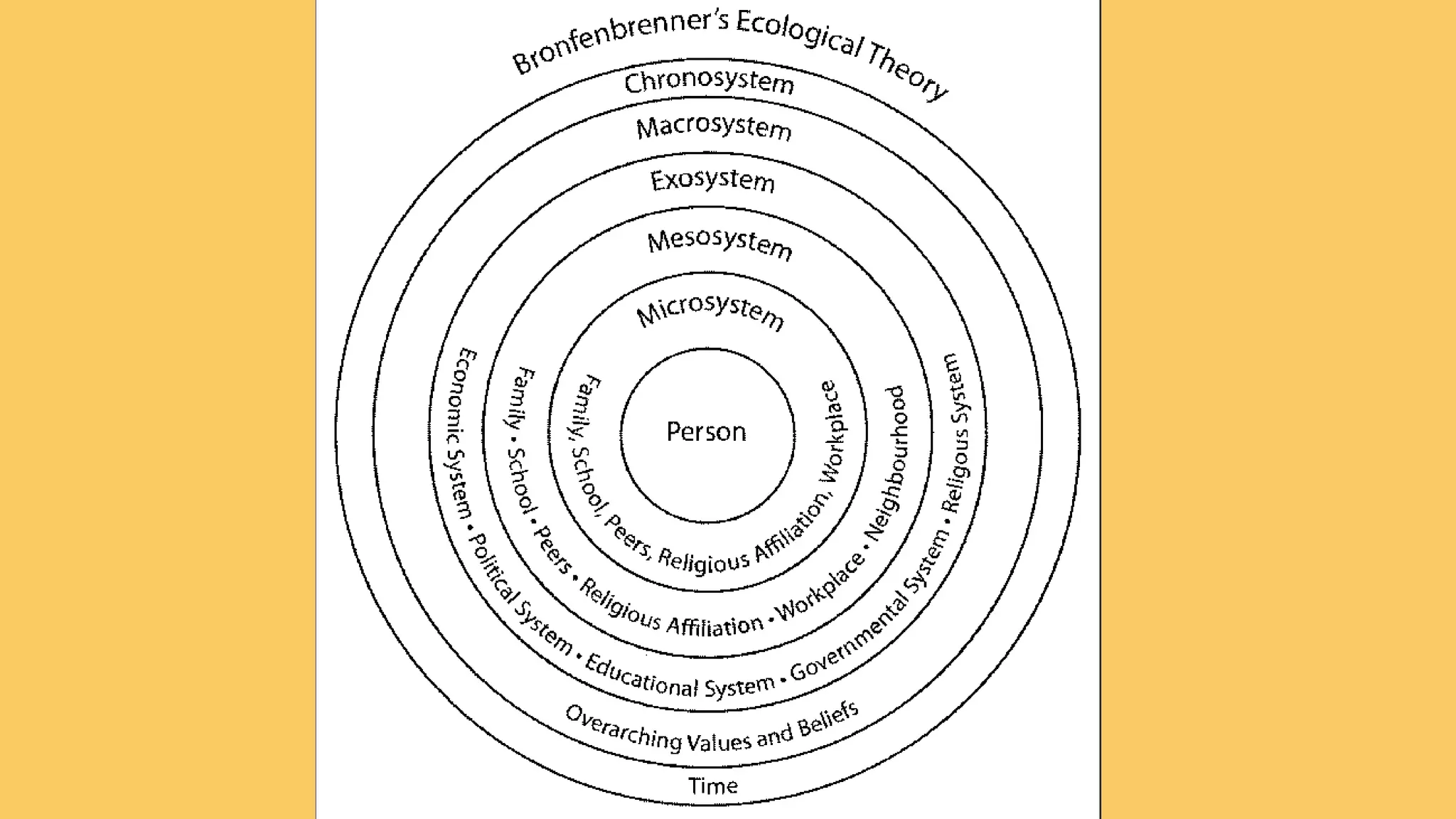
At the heart of the model sits the microsystem—the immediate settings where a child actually lives, plays, and learns. Think of it as the front row of the developmental stage.
- Family routines, such as bedtime stories or dinner conversations.
- Classroom dynamics, including the teacher‑student relationship.
- Peer groups at the park or during after‑school clubs.
These face‑to‑face encounters shape attitudes, language skills, and even problem‑solving strategies. A warm, supportive home can cushion the stress of a demanding school day, while a turbulent peer environment may amplify anxiety.
The Mesosystem: Linking the Layers
While the microsystem handles direct experiences, the mesosystem reflects the links between those micro‑contexts. It answers the question: How do my home life and school life talk to each other?
Examples include:
- Parent‑teacher conferences that align learning objectives with family values.
- A child’s after‑school activity choices that echo parental hobbies.
- Sibling relationships that mediate the influence of extended family visits.
When these connections are strong, children receive consistent messages. When they’re tangled, mixed signals can create confusion or resistance.
The Exosystem: Indirect Yet Powerful
Not every influence requires the child’s direct participation. The exosystem encompasses settings that affect the child indirectly.
Consider a parent’s workplace. A demanding job may limit evening playtime, while a flexible schedule could free up weekends for family outings. Community resources—like a nearby library or a neighborhood recreation center—also belong here, shaping opportunities without the child ever stepping inside the decision‑making room.
The Macrosystem: Culture and Society
Zooming out further, the macrosystem captures the broad cultural canvas: societal norms, laws, economic trends, and shared values. These forces set the stage for everything else.
For instance, a culture that emphasizes collective responsibility may foster stronger communal support networks for families. Conversely, a society that prioritizes individual achievement might place more pressure on academic performance, influencing school policies and parental expectations alike.
The Chronosystem: Time as a Factor
Development isn’t static; it unfurls over time. The chronosystem adds a temporal dimension, recognizing that both personal life events and larger historical shifts matter.
Personal examples include a family’s relocation, a divorce, or the birth of a sibling. On a societal level, think of economic recessions, technological breakthroughs, or even a global pandemic—each can redraw the boundaries of the other systems.
Applying the Model in Real‑World Settings
Understanding Bronfenbrenner’s layers isn’t just academic; it offers a roadmap for educators, policymakers, and parents.
- Schools: Build stronger mesosystem links by hosting regular parent workshops and encouraging community volunteers.
- Clinicians: When assessing a child’s behavior, probe beyond the home—ask about parental work stress or recent neighborhood changes.
- Policy Makers: Draft child‑focused legislation that accounts for macro influences, such as affordable housing and accessible childcare.
By viewing challenges through this ecological lens, interventions become more holistic and, ultimately, more effective.
Criticisms & Limitations
No model is flawless. Critics argue that the framework can be overly broad, making it hard to pinpoint which layer holds the greatest sway in a given situation. Others point out that it leans heavily on Western notions of family and community, potentially overlooking collectivist contexts where extended kin play a central role.
Nevertheless, the model’s strength lies in its reminder that isolation is an illusion—every factor, big or small, contributes to the developmental mosaic.
Key Takeaways
- The microsystem is the immediate arena of interaction; the mesosystem links those arenas.
- The exosystem operates behind the scenes, while the macrosystem sets the cultural backdrop.
- Time, captured by the chronosystem, weaves all layers together.
- Practical applications demand collaboration across families, schools, and policy realms.