How Buenos Aires Night Streets Inspire Photographers
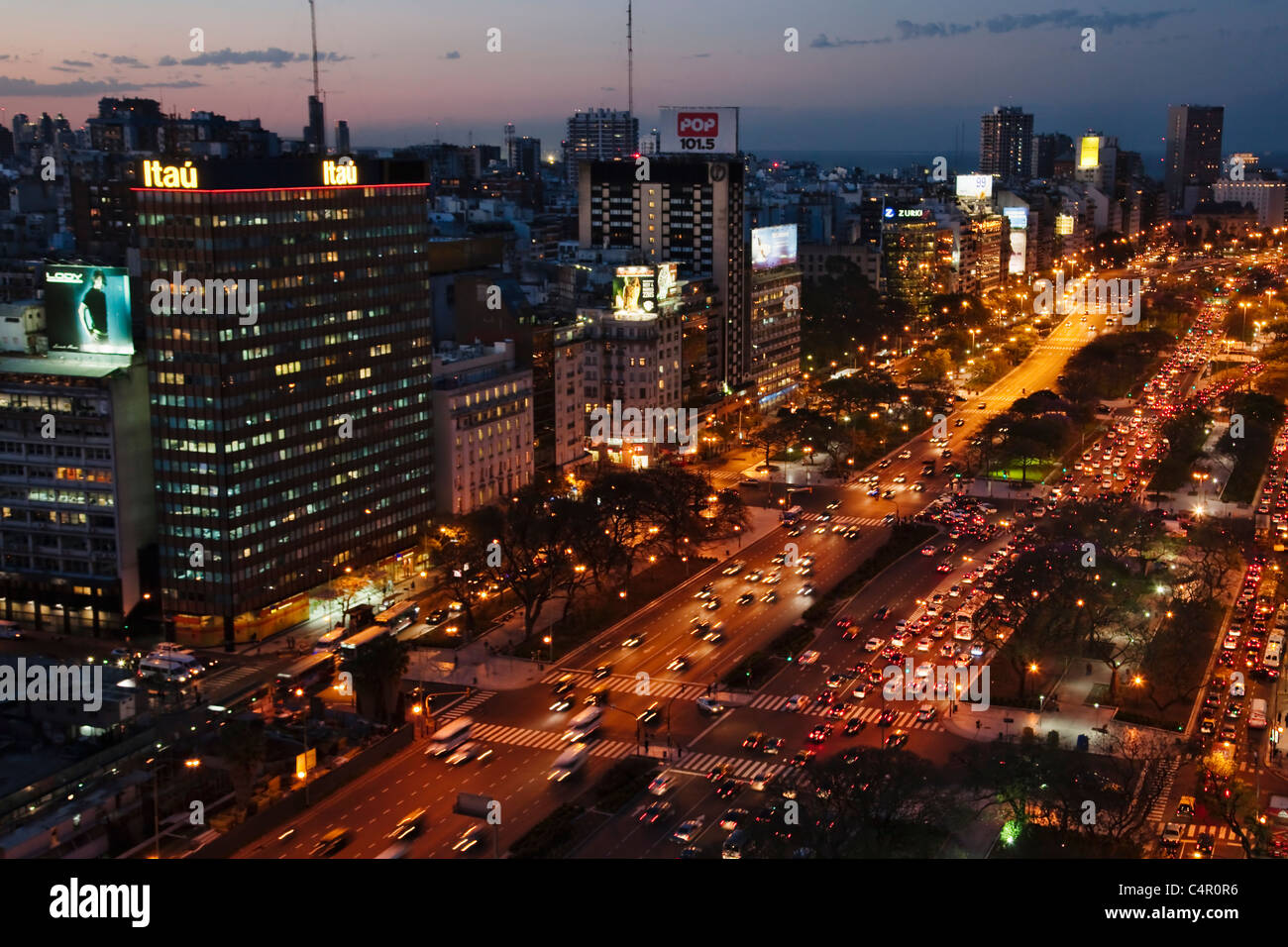
When the sun dips behind the Río de la Plata, the capital’s avenues transform into a living canvas of light, shadow, and motion. For anyone with a camera in hand, the nocturnal streets of Buenos Aires feel less like a city and more like an open‑ended invitation to capture stories that only appear after dark.
Why Nighttime Is the Sweet Spot for Street Photography
There’s a chemistry to night that daytime simply can’t replicate. Neon signs flicker, street lamps throw long, painterly shadows, and the pace of the crowd shifts—from hurried commuters to leisurely late‑night wanderers. This change in rhythm produces a richer palette of colors and emotions, perfect for framing moments that feel both spontaneous and cinematic.
Atmospheric Light
- Neon and LED signage provide bold, saturated hues that contrast sharply with darker alleys.
- Street lamps create soft, directional light, ideal for silhouettes and rim lighting.
- Reflections on wet pavement add an extra layer of depth, especially after a summer rain.
Human Element
People tend to act differently after dark. Musicians gather at plazas, couples linger over coffee, and graffiti artists claim hidden walls. Those moments, captured in the glow of the city, often reveal a more intimate side of urban life.
Key Neighborhoods to Explore After Sunset
Buenos Aires is a patchwork of districts, each offering its own nocturnal personality. Here are three that consistently deliver photographic gold.
Palermo Soho
The streets here pulse with boutique cafés, street art, and a youthful crowd. Look for the interplay between the colorful murals and the warm light spilling from café windows. A low‑angle shot of a guitarist under a string of fairy lights can become a striking portrait.
San Telmo
Old‑world cobblestones meet modern neon in this historic quarter. On weekend nights, the market stalls stay open, offering a kaleidoscope of textures—leather goods, vintage records, and the occasional tango dancer. Capture the contrast between the rugged stone and the glossy shop fronts.
Microcentro
The financial heart of the city transforms after hours. Skyscrapers light up like constellations, and the iconic Obelisco becomes a beacon against the night sky. A long exposure that blurs traffic while keeping the Obelisco razor‑sharp can evoke the city’s relentless energy.
Technical Tips for Low‑Light Street Shoots
Night photography brings its own set of challenges, but a few practical adjustments can make a world of difference.
- Open up the aperture. A wide f/1.8 or f/2.0 lens lets in more light and creates a pleasing shallow depth of field.
- Raise the ISO gradually. Modern cameras handle 1600–3200 without too much noise, but keep an eye on grain—post‑processing can smooth it out if needed.
- Use a slower shutter speed wisely. Around 1/30 s can freeze a still subject while blurring moving traffic for a dynamic effect.
- Stabilize whenever possible. Lean against a wall, use a strap, or even a portable mini‑tripod to avoid camera shake.
- Focus manually. Autofocus can hunt in low contrast; a pre‑focused point at a typical distance (around 5 m) often works well.
Storytelling Through Composition
Beyond the technical side, the magic of Buenos Aires at night lies in how you frame the narrative. Consider these compositional approaches:
- Lead lines. A glowing street that curves toward a distant lamppost draws the viewer’s eye deeper into the frame.
- Reflections. Glass façades or puddles can duplicate a scene, creating symmetry that feels almost surreal.
- Frame within a frame. Doorways, arches, or even a pair of hands holding a coffee cup can isolate a subject amid the bustling backdrop.
When to Go, and What to Expect
The best time to shoot is usually between 9 p.m. and midnight. The city’s lights are fully on, but the streets haven’t yet emptied. Weekends bring more street performers, while weekdays often reveal quieter corners where solitude reigns.
Weather plays a surprisingly big role. A light drizzle can intensify colors and add reflections, whereas a clear night highlights the neon’s vibrancy. Pack a microfiber cloth for lenses—humidity can leave stray smudges that ruin that perfect shot.
Ethical Considerations
Street photography thrives on candid moments, but respect remains paramount. If a subject looks uncomfortable, a brief apology and a smile can go a long way. In neighborhoods like San Telmo, where locals cherish their heritage, a polite “¿Puedo fotografiar?” (May I take a photo?) is often welcomed.
Post‑Processing: Keeping the Night Feel
When you edit, aim to preserve the natural mood rather than over‑stylize. Slight adjustments to contrast and a subtle boost to the cyan‑orange split‑tone can enhance the city’s nocturnal palette without making it look artificial. If you’re tempted to brighten shadows too much, remember that darkness is part of the story.
Final Thoughts
Buenos Aires after dark is more than a backdrop; it’s an active participant in every frame. The blend of historic architecture, vibrant street culture, and ever‑changing light makes it a photographer’s dream that rewards patience, curiosity, and a willingness to wander off the beaten path.