How Ecuador’s Security Crisis Is Shaping the Nation
When you hear “security crisis” and think of Ecuador, a montage of protests, drug‑related violence, and shaky institutions often surfaces. Yet the reality on the ground is a patchwork of local grievances, geopolitical currents, and a government scrambling to keep the lights on. Let’s pull back the curtain and see what’s really happening.
Roots of the Unrest
Ecuador’s modern security woes didn’t sprout overnight. They trace back to a mix of economic inequality, the spill‑over of narcotrafficking from Colombia, and a fragmented police force struggling with resources.
In the early 2000s, after a brief boom in oil revenues, the country faced a steep drop in commodity prices. That downturn left many communities feeling abandoned, especially in the highlands where unemployment climbed.
At the same time, the Andes’ rugged terrain became a favored route for smugglers. The illegal trade not only brought guns and drugs but also a shadow economy that undercuts legitimate businesses.
All of this set the stage for a climate where mistrust of authorities grew faster than any reform could keep pace.
Key Drivers of the Current Crisis
Three forces dominate today’s narrative:
- Organized Crime Networks – Cartels have entrenched themselves in border provinces, using intimidation to expand influence.
- Political Polarization – Recent elections polarized urban and rural voters, making consensus on security measures elusive.
- Economic Pressures – Inflation spikes and stagnant wages fuel frustration, especially among youth seeking opportunities.
Each driver feeds the others, creating a feedback loop that’s hard to break.
Impact on Everyday Life
For many Ecuadorians, the crisis is felt not in headlines but in daily routines.
Urban Centers
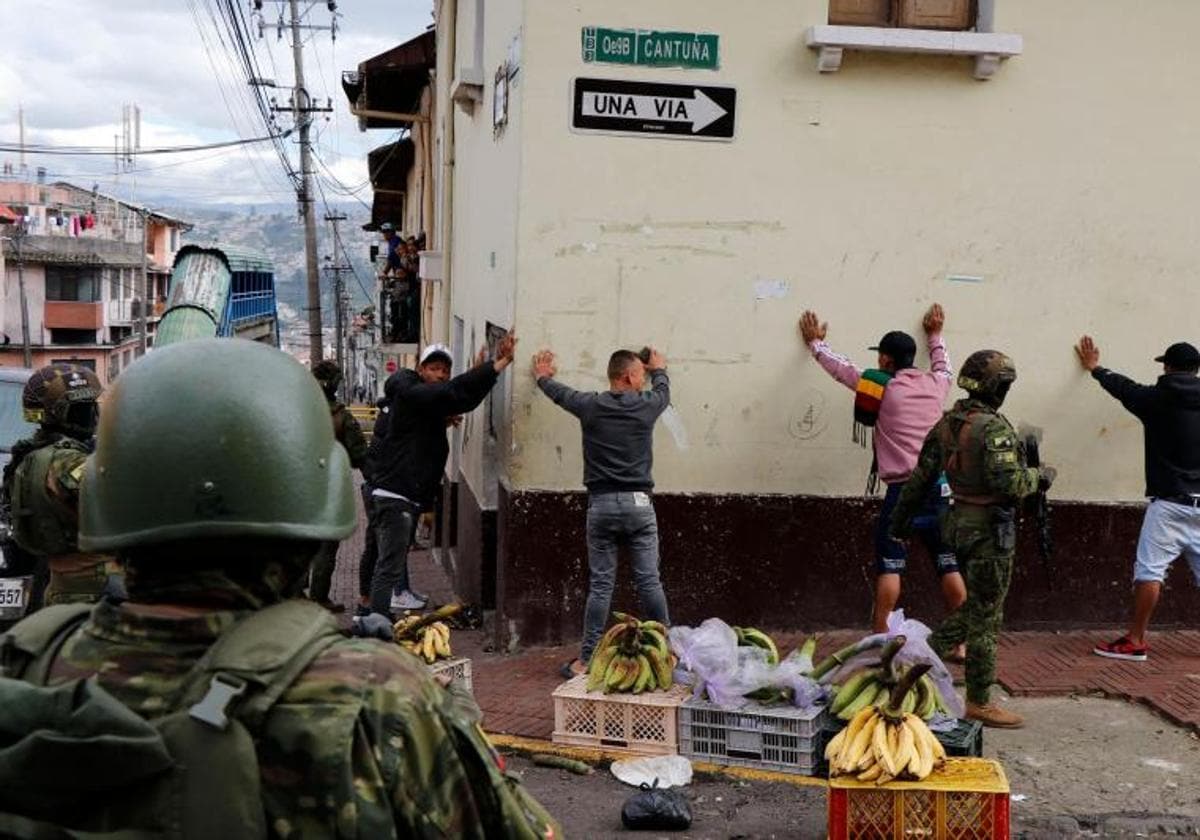
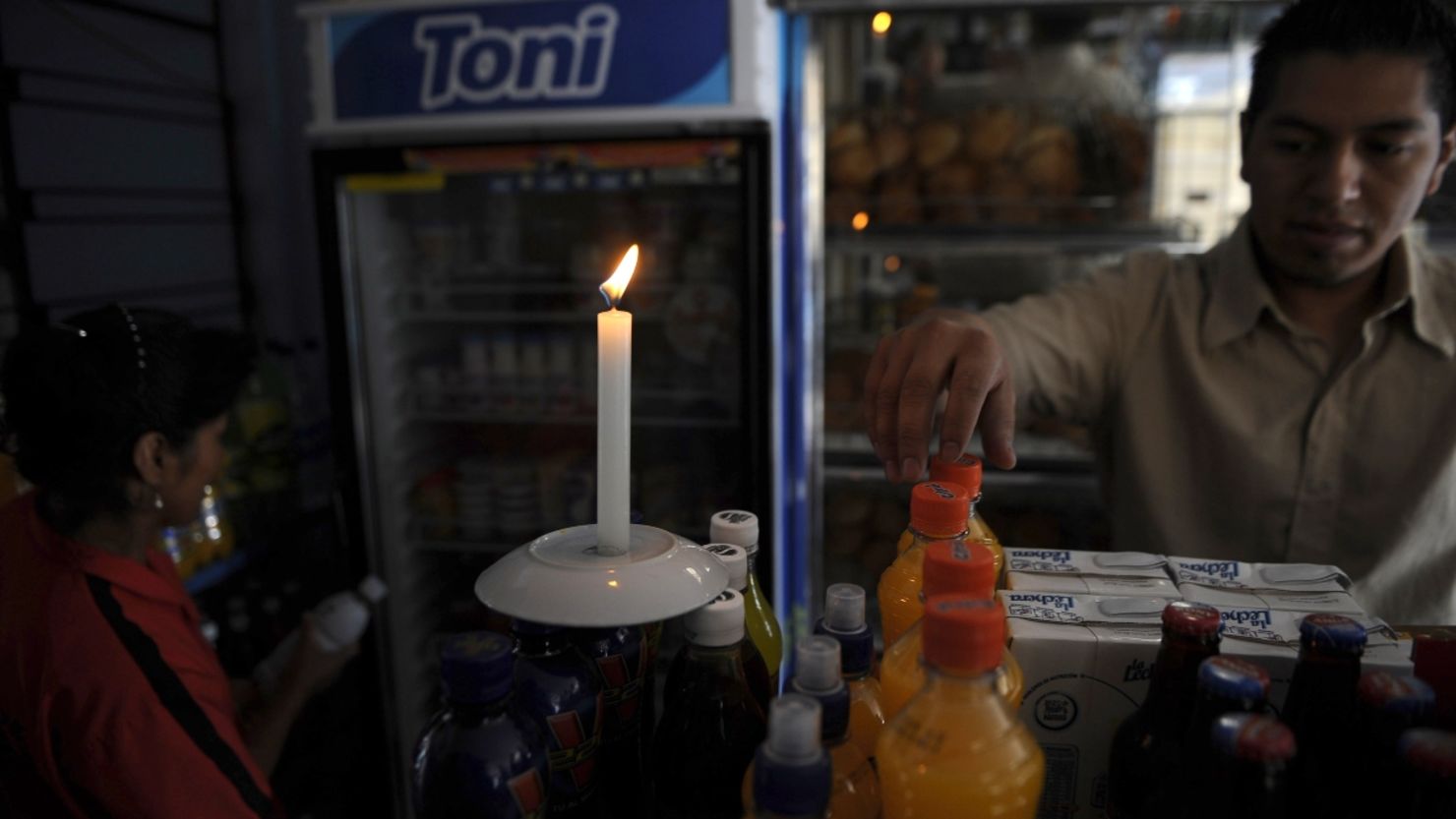
In Quito and Guayaquil, curfews have become sporadic, and “no‑go” zones appear overnight. Residents report a rise in petty theft, and the fear of being caught in a crossfire has altered commuting patterns.
Rural Communities
Out in the Andean valleys, farmers face extortion demands from armed groups. A simple journey to market can now involve negotiating safe passage, a reality that drags on traditional ways of life.
Yet there’s also resilience. Neighborhood watch groups, often organized through local churches, have begun to fill the security void, offering a glimpse of grassroots agency.
Government Response: Steps and Stumbles
President Guillermo Lasso’s administration pledged a “security overhaul” in 2023, promising more troops and a revamped police academy. The rollout, however, has been uneven.
- Increased troop deployments to border towns have lowered some smuggling incidents, but critics argue that militarizing the streets only escalates tensions.
- The new police training program aims to professionalize the force, yet funding gaps delay its full implementation.
- Legislative attempts to tighten gun control met fierce opposition, stalling reforms that could curb illegal firearms.
Public opinion polls show a growing skepticism toward these measures, with many questioning whether the government can sustain long‑term change.
Looking Ahead: Possible Paths Forward
What does the future hold for Ecuador’s security landscape? Experts outline a few plausible scenarios.
1. Community‑Driven Security Networks
If local watch groups receive state support—training, resources, and legal backing—they could become a cornerstone of stability, especially in remote areas.
2. Regional Cooperation
Coordinated efforts with Colombia and Peru might choke off trafficking routes, but they require diplomatic finesse and shared intelligence.
3. Economic Revitalization
A focused push on diversified agriculture and tourism could alleviate the socioeconomic triggers that feed crime, though it hinges on global market trends.
Finally, there’s always the wildcard: political shifts. A new administration with a different security philosophy could either accelerate reforms or deepen the stalemate.
Whatever the outcome, one thing is clear: Ecuador’s security crisis is not a static problem. It evolves with each policy decision, each community response, and each economic ripple. Understanding its layers is the first step toward meaningful change.
:strip_icc()/i.s3.glbimg.com/v1/AUTH_da025474c0c44edd99332dddb09cabe8/internal_photos/bs/2024/d/g/lg45mlT1Ci0WOXf62nsw/34ef73f-preview.jpg)