How Egypt’s Irrigation Methods Shape Modern Agriculture
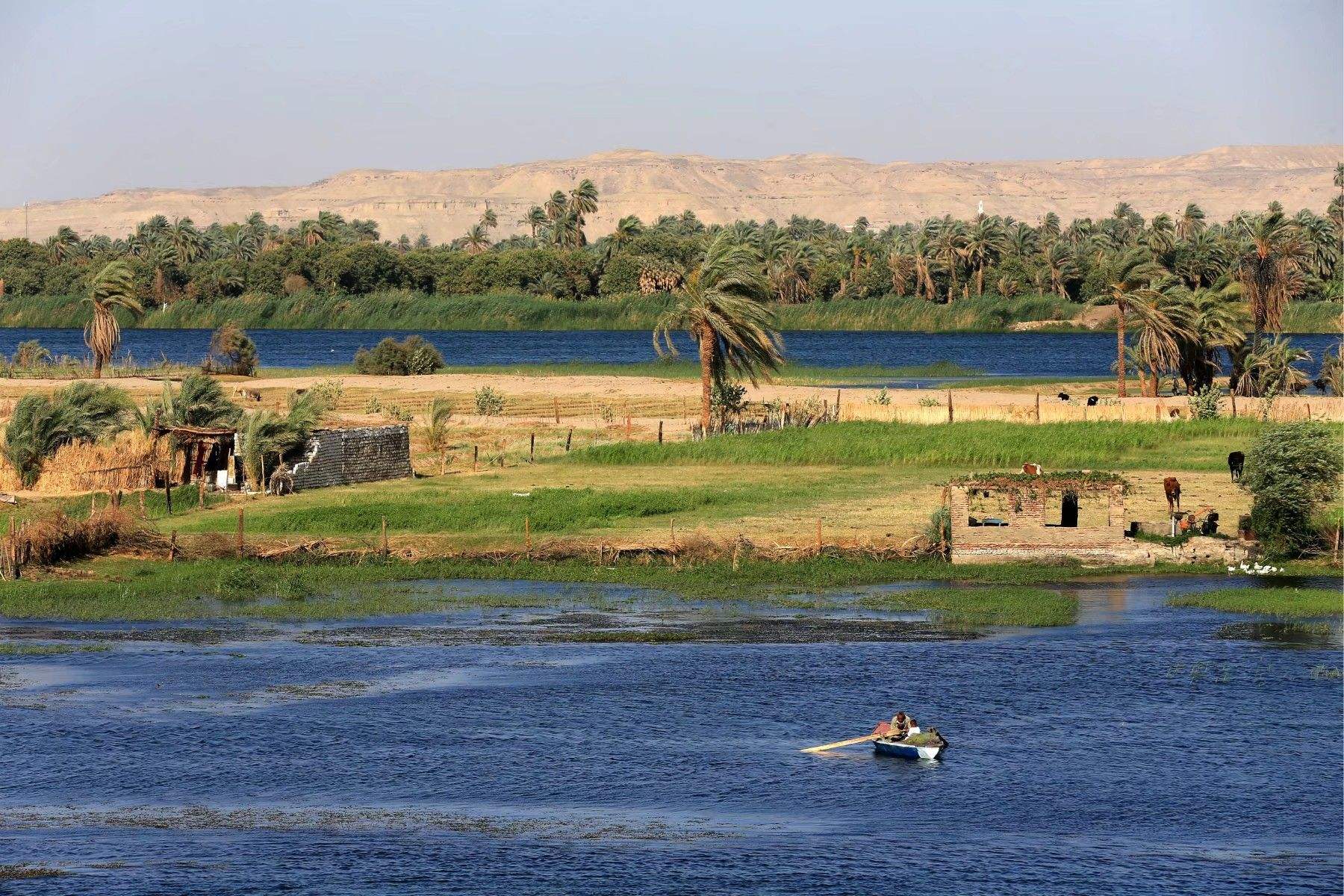
When the Nile sweeps past ancient temples and bustling farms, it does more than carve a landscape – it powers a water‑management system that has evolved for millennia. Today, Egyptian growers blend age‑old canals with high‑tech sprinklers, seeking a balance between tradition and efficiency. Below is a look at the most common irrigation techniques, their strengths, and the challenges they face in a country where every drop counts.
1. Surface Irrigation: The Legacy of the Nile
Surface irrigation, also called flood or furrow irrigation, is still the backbone of Egyptian agriculture. Water is diverted from the Nile or its tributaries into a network of canals, then allowed to flow across fields by gravity.
- Basins and fields – Large, shallow depressions (basins) collect water, saturating the soil before it drains away.
- Furrows – Long, narrow channels run between crop rows, guiding water directly to the root zone.
Why it endures:
- Low capital cost – once the canals are built, maintenance is modest.
- Culture‑compatible – generations of farmers know how to time the water flow for crops like rice and cotton.
But the method is water‑intensive. In arid zones, excess runoff can raise salinity levels, degrading soil quality over time.
2. Drip Irrigation: Precision Meets Economy
In the last two decades, drip irrigation has slipped into the Egyptian scene, especially in high‑value orchards and vegetable farms. A system of tubes and emitters releases water directly at the plant base, minimizing evaporation.
Key advantages:
- Up to 60 % water savings compared with flood irrigation.
- Reduced weed growth – the soil stays drier outside the drip line.
- Better nutrient management – fertilizers can be blended into the water stream.
Challenges remain:
- Initial investment can be steep for smallholders.
- Clogging of emitters by fine sediments requires regular flushing.
Nonetheless, government subsidy programs and private‑sector partnerships are helping more farms adopt this technology.
3. Sprinkler Systems: From Fields to Greenhouses
Sprinklers mimic rainfall, distributing water through a network of pipes and rotating heads. They are popular in the Delta’s grain farms and in greenhouse operations around Cairo.
Benefits include:
- Flexibility – systems can be scaled from a single greenhouse to hundreds of hectares.
- Compatibility with frost protection – sprinklers can also deliver a fine mist that shields delicate seedlings.
On the flip side, wind can significantly affect distribution uniformity, and high evaporation rates during hot summer months can cut into efficiency.
4. Lift Irrigation: Harnessing Groundwater
When surface water is scarce, many farmers turn to wells and boreholes, lifting water to the surface with electric or diesel pumps. The pumped water is then applied using any of the methods above.
Groundwater is a double‑edged sword:
- It provides a reliable source during low Nile flow years.
- Over‑extraction has already lowered water tables in parts of the Western Desert, prompting stricter licensing.
Modern sensor‑driven pumps now adjust flow based on real‑time soil moisture data, helping curb waste.
5. Emerging Technologies: Smart Irrigation
Digital tools are beginning to reshape how Egyptian farmers water their crops. Satellite imagery, soil‑moisture sensors, and mobile apps allow a farmer to:
- Schedule irrigation only when soil moisture drops below a set threshold.
- Detect leaks or malfunctioning emitters before they become costly.
- Compare water use across fields, spotting inefficiencies.
Adoption is still limited, mainly due to the cost of equipment and the learning curve, but pilot projects in the Sinai and Aswan have shown promising results.
Balancing Water Use and Food Security
Egypt’s population is projected to top 110 million by 2030, and the demand for staple crops like wheat and rice will only rise. At the same time, climate change threatens the Nile’s flow, making every irrigation decision a strategic one.
Policy makers are therefore nudging the sector toward:
- Increasing the share of water‑saving methods—from 20 % drip coverage today to a target of 40 % by 2035.
- Re‑allocating water rights to prioritize high‑value or water‑intensive crops.
- Investing in research on salt‑tolerant varieties that can thrive under less frequent irrigation.
Farmers, for their part, often blend techniques: using surface canals to fill a field, then switching to drip lines for the most demanding rows. This hybrid approach reflects both necessity and ingenuity.
What Farmers Should Consider When Choosing a System
Every irrigation method carries trade‑offs. A quick checklist can help navigate the decision:
- Crop type – Rice thrives under flooding, while tomatoes benefit from drip.
- Soil texture – Sandy soils lose water quickly, favoring drip or sprinklers; clay retains moisture longer, making furrows viable.
- Water availability – Limited supply pushes toward high‑efficiency options.
- Capital and labor – Upfront costs versus long‑term savings need careful budgeting.
Looking Ahead
The Nile will continue to be Egypt’s lifeline, but the way its water is delivered is undergoing a quiet revolution. From the time‑worn basins of ancient pharaohs to sensor‑guided drip lines, each method adds a layer to the country’s agricultural resilience. Understanding these options—and the context in which they operate—helps ensure that Egypt’s fields stay productive, even as the climate and economy evolve.