How FDIC Insurance Protects Your Deposits: A Clear Safety Net Guide
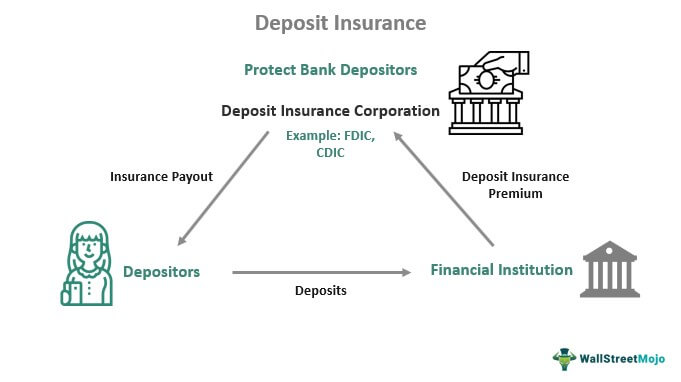
When you deposit money in a bank, you often hear the phrase “FDIC insured.” It’s a reassurance that, in the event a bank fails, the federal government will step in and safeguard your funds up to a certain amount. Understanding how this safety net works can help you make smarter decisions about where to keep your savings, checking balances, and other deposit accounts.
What the FDIC Actually Covers
The Federal Deposit Insurance Corporation (FDIC) is an independent U.S. government agency that insures deposits at participating banks. The coverage limits are set by law: each depositor is protected up to $250,000 per insured bank, per ownership category. This means that if you have a joint account, your own savings account, and a retirement account at the same bank, each is insured separately up to the limit.
- Individual accounts: up to $250,000
- Joint accounts (shared equally): up to $250,000 per co‑owner
- Retirement accounts (e.g., IRA, 401(k)): up to $250,000
- Trust accounts: up to $250,000 per beneficiary
It’s important to note that FDIC insurance does not cover securities, mutual funds, or other investments you might hold in a brokerage account. Only the cash you keep in deposit accounts is insured.
When a Bank Fails
If a bank declared insolvent, the FDIC steps in as receiver. The agency works to either close the bank, merge it with a healthier institution, or facilitate the transfer of your insured deposits to another bank. During this process, your money is typically available within a few business days, often through electronic transfers or debit cards issued by the FDIC.
Why It Matters for Everyday Banking
Most people keep their day‑to‑day funds in checking accounts and their savings in savings or money‑market accounts. In the unlikely event that the bank fails, FDIC insurance ensures you can recover those funds quickly and without having to wait for a lengthy legal process. For consumers, it provides peace of mind and a sense that their money is protected by a safety net backed by the full faith and credit of the U.S. Treasury.
How to Verify FDIC Insurance
Every FDIC‑insured bank must display the FDIC logo and “FDIC insured” on its website, ATMs, and branch signage. Additionally, you can check the FDIC’s Bank Search tool. Enter the bank’s name or routing number, and the tool will confirm whether it’s covered and show the current deposit insurance limits.
Keeping Your Deposits Safe
While FDIC insurance is generous, you can still take steps to safeguard your money:
- Spread large balances across multiple insured banks to stay within the $250,000 limit at each institution.
- Use the FDIC’s “Deposit Insurance Calculator” to estimate coverage for each account type.
- Keep account records—such as statement copies and online screenshots—to verify ownership and amounts in case of a dispute.
- Monitor your accounts regularly for unusual activity or changes in banking status.
Common Misconceptions About FDIC Coverage
Some people mistakenly believe that FDIC insurance covers all of their assets, including investments in stocks or bonds. In reality, the insurance is limited to cash in deposit accounts. Others think that if they have a savings account with $300,000, they’re fully protected. That’s only true if the bank offers two separate deposit accounts with different ownership categories to split the coverage.
What Happens If You Exceed the Limit?
If you exceed the insured amount, the portion above $250,000 is not protected by the FDIC. In a bank failure, the uninsured portion would be part of the bank’s assets that might be liquidated, potentially at a loss. That’s why it’s wise to review your account balances regularly and consider diversifying across institutions.
FAQ About FDIC Insurance
- Is FDIC insurance the same as state deposit insurance? No. FDIC is a federal program covering national banks and savings associations. Some state-chartered banks may have additional state insurance, but FDIC is the baseline coverage.
- Can I insure more than $250,000 at one bank? Not through FDIC alone. However, you can open multiple ownership categories or use the bank’s own “Enhanced Deposit Insurance” programs if available.
- What if I have a business account? FDIC covers business deposit accounts up to $250,000 per insured bank, per account owner, if the business is a sole proprietorship or partnership. Limited liability companies may have different limits.
- Are credit card balances FDIC insured? No. Credit card balances are debts, not deposits, and are not covered by FDIC insurance.
Understanding FDIC insurance empowers you to navigate the banking landscape with confidence. By keeping informed about coverage limits, verifying insurance status, and adopting prudent deposit strategies, you ensure that your hard‑earned money remains protected, no matter what challenges the banking system faces.