How GDP Shapes Economic Policy and Everyday Life
When you hear the term “GDP,” you might picture a dry statistic on a chart. In reality, Gross Domestic Product is a pulse check for a country’s economic health, influencing everything from the jobs you find to the policies that affect your taxes. Let’s peel back the layers and see why this single figure matters so much.
What Exactly Is GDP?
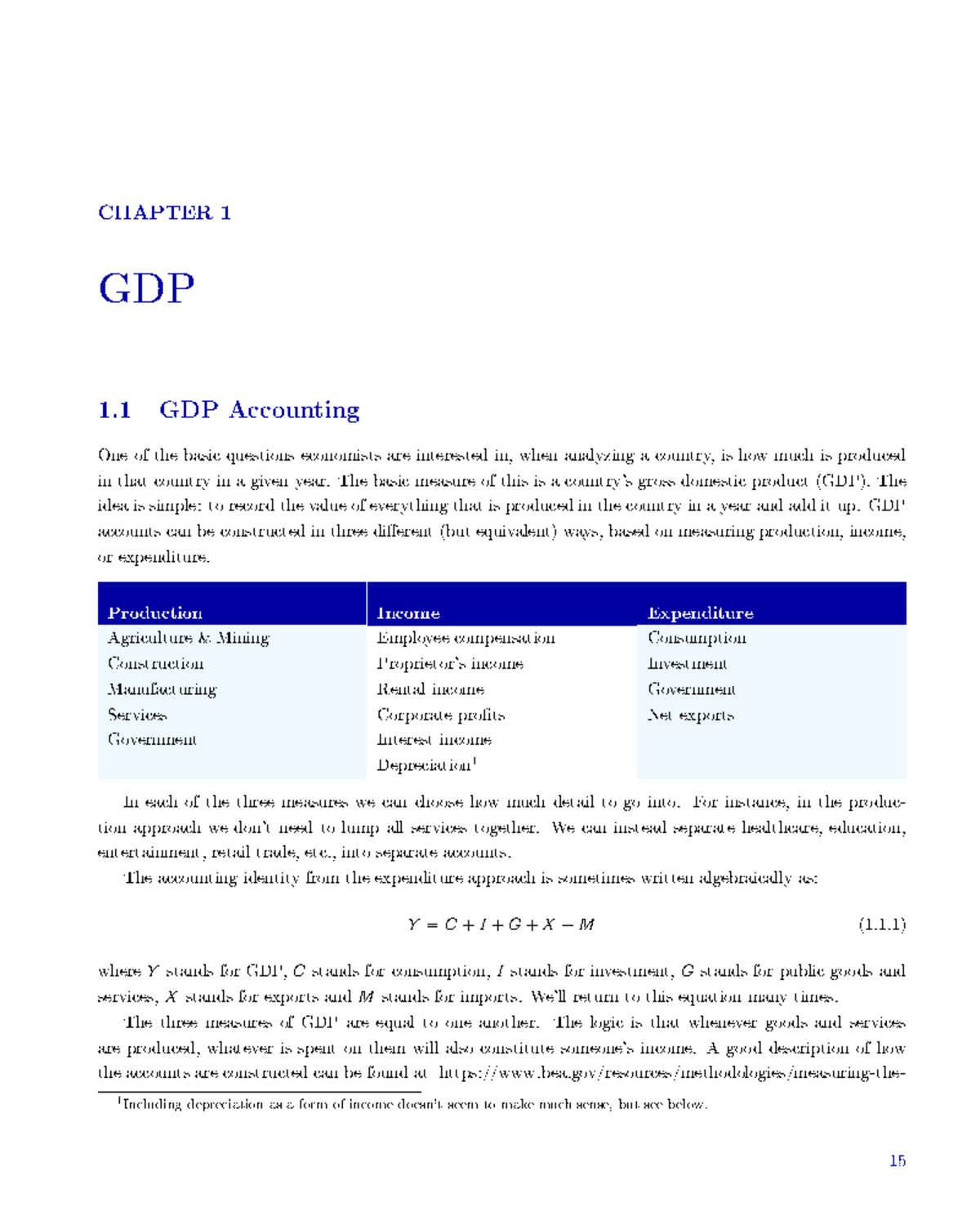
At its core, GDP measures the total market value of all final goods and services produced within a nation’s borders over a specific period—usually a year or a quarter. Think of it as the sum of everything people buy, sell, and build, from a farmer’s harvest to a software startup’s latest app.
There are three main ways economists calculate it:
- Production approach: adds up the value added at each stage of production.
- Income approach: totals wages, profits, and taxes minus subsidies.
- Expenditure approach: combines consumption, investment, government spending, and net exports (exports minus imports).
Each method should, in theory, arrive at the same number—though data gaps can cause tiny discrepancies.
Why Policymakers Pay Close Attention
Governments use GDP as a benchmark for setting fiscal and monetary policy. If GDP is rising robustly, central banks might raise interest rates to keep inflation in check. Conversely, a slump can trigger stimulus packages or lower rates to spur borrowing.
Beyond the macro‑level, regional planners look at GDP per capita to gauge living standards across states or provinces. A higher per‑capita figure often signals better infrastructure, education, and health services, prompting further investment.
GDP and the Budget
Tax revenues are closely linked to economic output. When GDP climbs, businesses earn more, individuals see higher wages, and tax collections naturally increase. This extra cash can fund public projects—think new transit lines or school renovations—without raising tax rates.
International Comparisons
Countries use GDP to compare economic power. While a giant like the United States tops the list in absolute terms, smaller economies with high GDP per capita, such as Switzerland, showcase impressive productivity and wealth distribution.
Limitations You Should Know
GDP is powerful, but it’s not a perfect yardstick.
- It ignores income inequality. A rising GDP might mask a widening gap between rich and poor.
- Environmental costs are excluded. Deforestation or pollution can boost production numbers while harming long‑term sustainability.
- Unpaid work goes unseen. Volunteering, caregiving, and other non‑market activities aren’t reflected.
Because of these blind spots, many economists pair GDP with other indicators—like the Human Development Index or the Genuine Progress Indicator—to paint a fuller picture.
How GDP Affects Your Daily Life
Even if you don’t follow the news daily, GDP’s ebbs and flows touch you indirectly.
- Job market: A growing economy usually means more hiring and higher wages.
- Interest rates: Your mortgage or student loan payments can rise or fall as central banks react to GDP trends.
- Public services: Schools, hospitals, and road maintenance often improve when fiscal space expands alongside GDP growth.
On the flip side, a sudden dip—like during a financial crisis—can lead to layoffs, tighter credit, and reduced public spending, making everyday budgeting a bit tougher.
Real‑World Example: The 2008 Financial Crisis
When the United States’ GDP contracted sharply in 2008, the ripple effect was global. Central banks slashed interest rates, governments launched massive stimulus plans, and unemployment spiked. The crisis reminded policymakers just how intertwined GDP and financial stability truly are.
Looking Ahead: What Could Shape Future GDP
Several trends may redefine how GDP grows in the coming decades:
- Technology and automation: Increased productivity could boost output without proportional labor input.
- Green transition: Investments in renewable energy might shift the composition of GDP while addressing environmental concerns.
- Digital services: As more value is created online, measuring it accurately becomes a fresh challenge.
Adapting measurement methods to capture these shifts will be crucial for maintaining GDP’s relevance.
Bottom Line
GDP remains a cornerstone of economic analysis, offering a snapshot of a nation’s productive capacity. While it doesn’t tell the whole story—ignoring inequality, environmental impact, and unpaid work—it provides a baseline that guides policy, informs investors, and subtly shapes the choices we make every day. Understanding its role helps you read the headlines with a more critical eye and recognize the forces at play behind the numbers.