How IRA Uniforms Evolved: History and Symbolism Explained
From the rag‑tag attire of early 20th‑century guerrillas to the more standardized dress of later decades, the IRA uniform tells a story of political intent, battlefield pragmatism, and cultural identity. While the organization never operated under a single, rigid dress code, recurring elements—such as dark jackets, simple caps, and later the iconic Armalite rifle slung across the shoulder—became visual shorthand for rebellion. Tracing these changes offers insight not only into the practicalities of armed struggle but also into the symbolism that the uniform projected both inside Ireland and abroad.
Early Years: The War of Independence (1919‑1921)
In the chaotic months following the 1916 Easter Rising, volunteers often wore whatever clothing suited their daily lives. Farmers in khaki, shopkeepers in plain shirts, and some members even adopted the British Army’s own uniforms as a disguise. The most recognizable item, however, was the “black‑hand” cap—a simple, brimless headpiece that could be quickly removed to avoid identification.
Uniformity was deliberately limited. By avoiding a single, conspicuous look, the Irish Republican Army (IRA) reduced the risk of mass arrests and made it harder for British forces to single out members. Yet even this improvisational approach carried symbolic weight: the dark cap hinted at secrecy, while the plainness of the clothing reinforced the image of a grassroots movement rooted in the everyday Irish citizen.
The Civil War Split: Diverging Styles (1922‑1923)
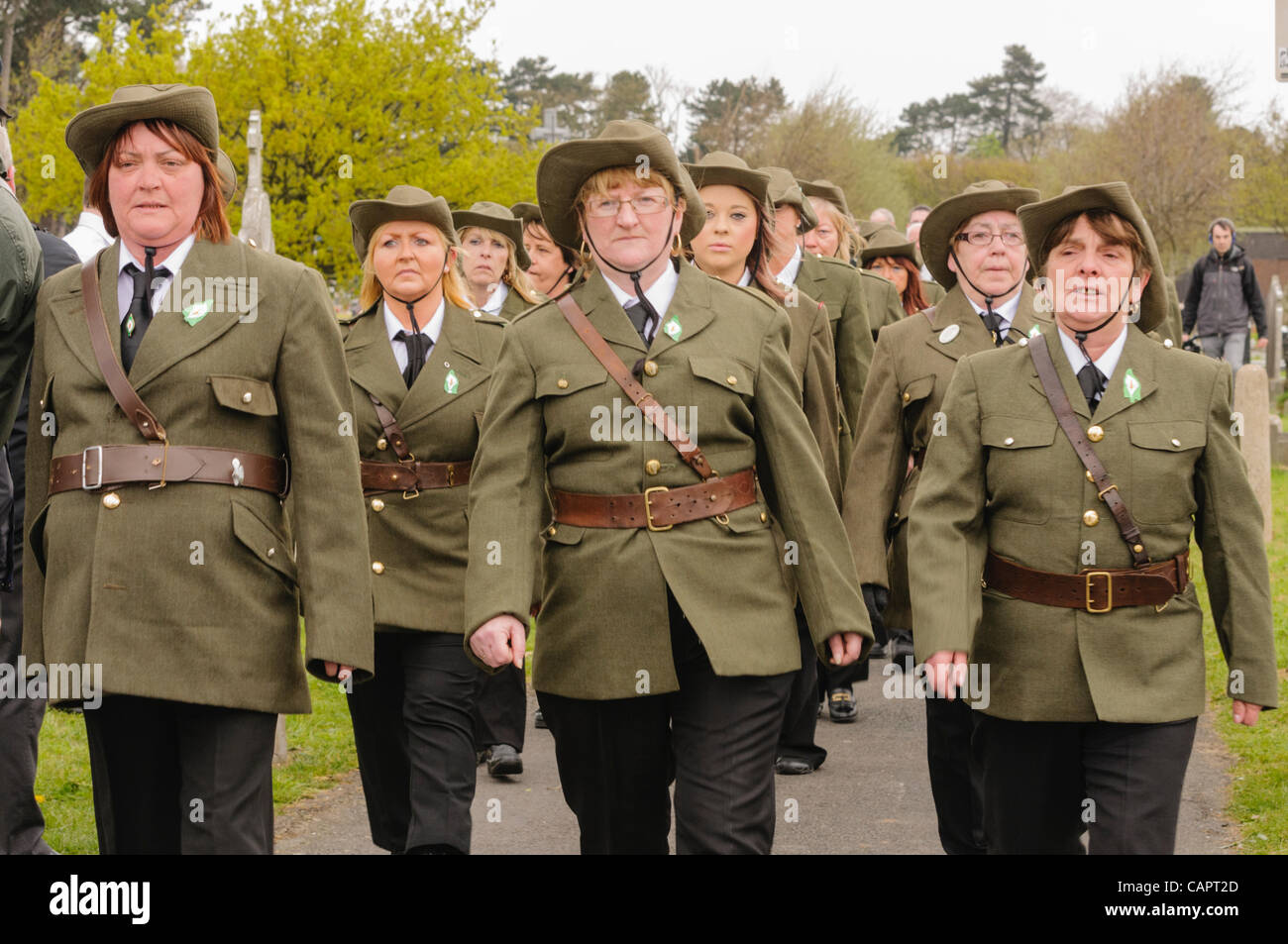
When the Treaty split the IRA into pro‑Treaty and anti‑Treaty factions, so too did their attire. The pro‑Treaty forces, soon forming the nucleus of the Irish Free State’s army, began to adopt more formal military uniforms—khaki greatcoats, insignia, and polished boots. In contrast, the anti‑Treaty IRA clung to the rugged, utilitarian dress of the previous war: sturdy woolen jackets, sturdy boots, and the ever‑present black cap.
This visual divergence underscored a deeper ideological rift. The former sought legitimacy through recognizable state symbols, while the latter emphasized continuity with the earlier struggle, using clothing as a reminder of their commitment to the “old Republic.”
The 1930s‑1940s: A Return to Simplicity
During the years of the Irish Free State’s consolidation, the IRA entered a period of relative inactivity. Uniforms reflected this lull: members reverted to everyday civilian wear, punctuated only by a few recognizable accessories—a leather belt, a simple woolen sweater, or a discreetly tucked‑in pistol.
Occasionally, the group adopted the “Volunteer” armband, a dark cloth strip sewn onto the sleeve. While not a full uniform, it served as a subtle identifier among comrades, reinforcing solidarity without drawing undue attention from authorities.
Symbolic Elements in the Mid‑Century
- Colors: Dark greens and browns dominated, mirroring Ireland’s rural landscape and allowing fighters to blend into the countryside.
- Caps: The black‑hand cap persisted as a nod to the movement’s origins, even as some members experimented with flat caps or berets.
- Weapons as Symbols: The emergence of the Sten gun and later the Armalite rifle shifted focus from clothing to armament; the way a weapon was carried became part of the visual code.
The Troubles Era: Standardization and the “Armalite” Look (late 1960s‑1990s)
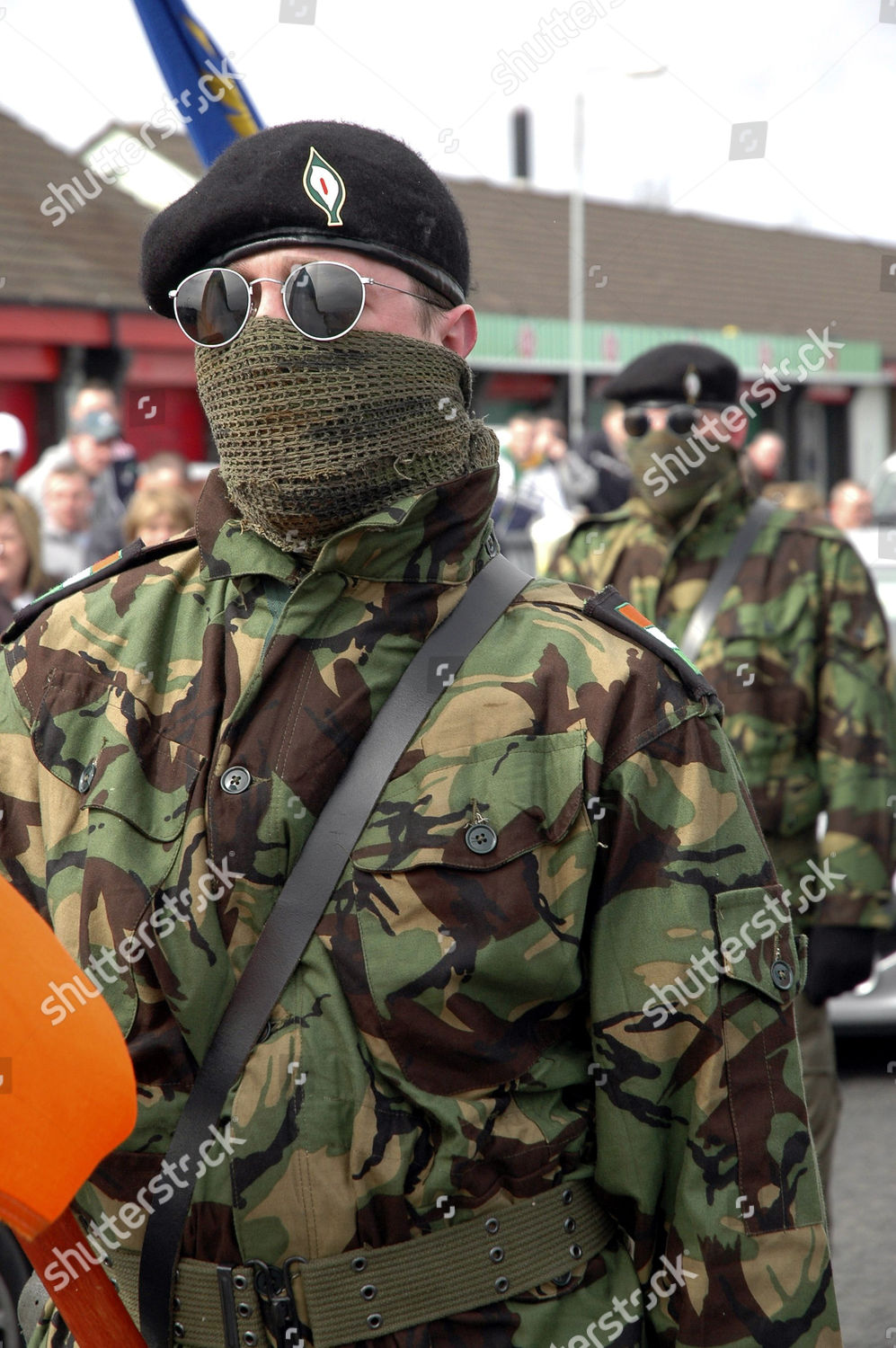
By the late 1960s, the conflict in Northern Ireland prompted a more recognizable aesthetic. Volunteers often wore dark jackets—sometimes military surplus—paired with sturdy boots and a distinctive “IRA” shoulder patch sewn onto the left sleeve. The introduction of the AR‑15‑style Armalite rifle, popularly called the “Armalite” in local parlance, added a new visual cue: the rifle slung across the chest or tucked into a canvas bag.
While still avoiding a full dress uniform, the consistent use of the patch and the rifle created a de‑facto uniform that could be instantly identified on television broadcasts. This visual consistency served propaganda purposes, helping the organization project an image of cohesion and resolve.
Symbolism Behind the Modern Image
The modern “IRA uniform” is less about fashion than about messaging. Dark clothing conveys secrecy and determination; the black‑hand cap, though rare, evokes the historical continuity of the struggle. The shoulder patch—a simple green leaf or a stylized “IRA”—acts as a badge of affiliation, akin to a corporate logo, fostering a sense of belonging among members while signaling allegiance to outsiders.
Even the choice of weaponry carries symbolic weight. The Armalite, for instance, became synonymous with the IRA’s tactical shift toward guerrilla warfare, and its distinctive shape made it a visual shorthand for modern Irish republicanism. In this way, the uniform’s evolution mirrors the organization’s strategic adaptations.
Why Uniforms Matter in Guerrilla Movements
Uniforms in insurgent groups function on multiple levels: practicality, morale, recruitment, and public perception. For the IRA, a balance was struck between blending in with civilians and presenting a recognizable front when advantageous. The oscillation between anonymity and overt symbolism reflects a constant tension between operational security and the desire to inspire supporters.
In contemporary analyses, scholars note that the IRA’s visual evolution helped shape its narrative—moving from a hidden, local resistance to a globally recognized movement. The uniforms, modest as they were, contributed to that narrative by providing a visual anchor for media coverage, political discourse, and historical memory.
FAQs
What did the IRA wear during the early 20th‑century war?
Mostly civilian clothing—farmers’ workwear, simple shirts, and the signature black‑hand cap—used to blend with the population and avoid detection.
Why did the IRA adopt a shoulder patch in the 1970s?
The patch offered a discreet yet clear identifier, helping volunteers recognize each other while also creating a recognizable symbol for propaganda and recruitment.
Is the Armalite rifle part of the IRA uniform?
Not a uniform piece per se, but its distinctive shape and common carriage became a visual hallmark of the IRA during the Troubles, often featured alongside the jacket and patch.
Did the IRA ever have a formal, standardized uniform?
No. Throughout its history, the organization favored flexibility and anonymity, opting for practical attire with occasional symbolic accessories rather than a full, regulated dress code.