How Media Audience Theory Influences Today’s Communication
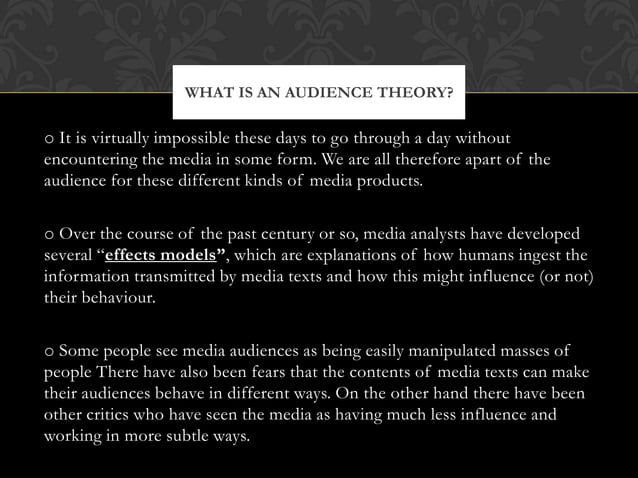
When you tune into a favorite TV show, scroll through a news feed, or binge‑watch a streaming series, you’re participating in a subtle dialogue between creators and viewers. That exchange is exactly what media audience theory tries to map out—a set of ideas that explain how audiences interpret, react to, and sometimes reshape the messages they receive.
What Is Media Audience Theory?
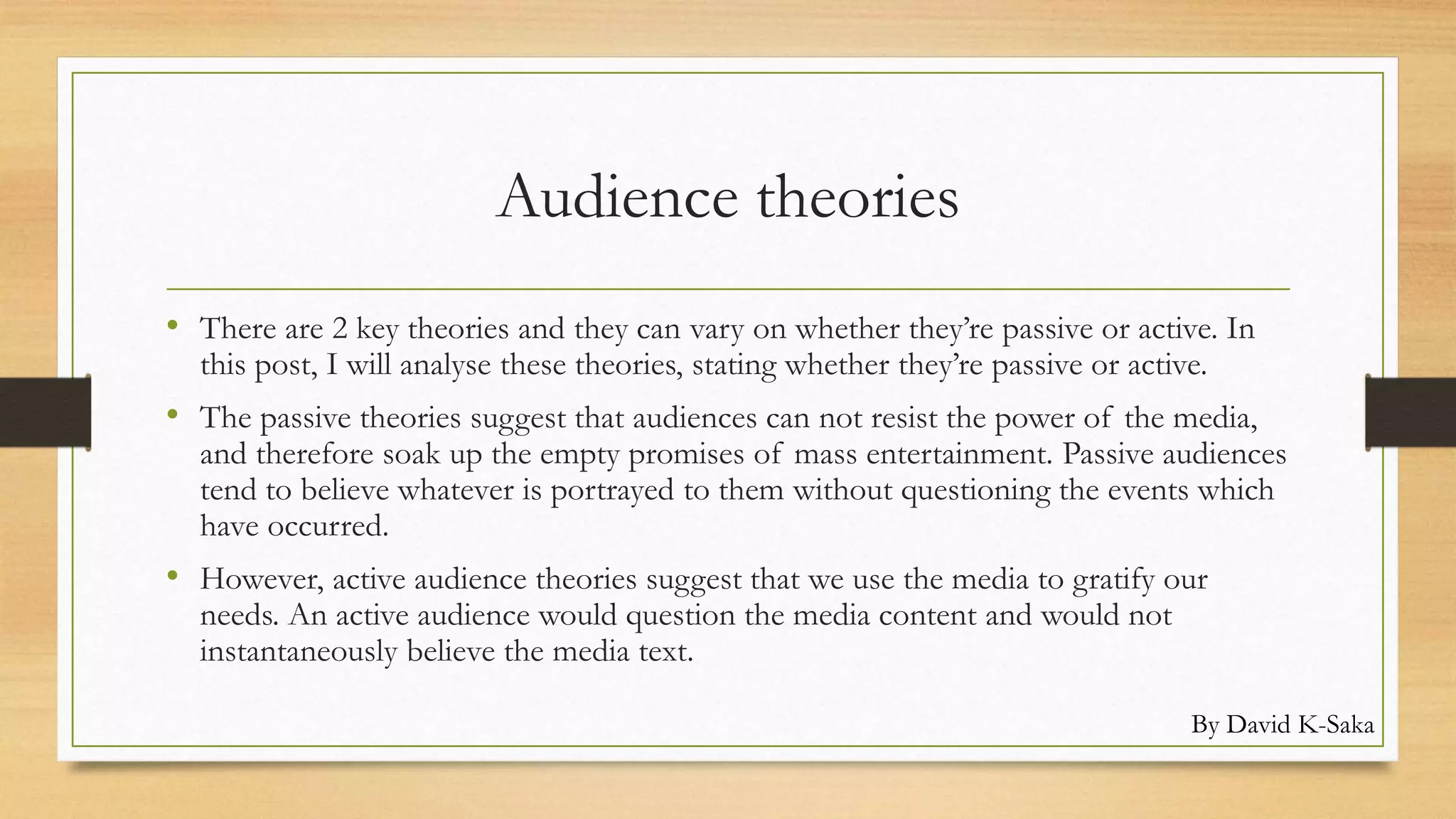
At its core, media audience theory is a scholarly framework that asks: Who are the people consuming media, and how do they make sense of it? Instead of assuming a one‑way flow from producer to passive recipient, the theory treats audiences as active participants who bring their own experiences, cultures, and expectations to the table.
Key scholars such as Stuart Hall, with his encoding/decoding model, and Elihu Katz, who pioneered the uses‑and‑gratifications approach, have shown that meaning isn’t simply embedded in a broadcast; it’s co‑created.
Major Schools of Thought
Not every analyst uses the same lens. Here are the three most influential perspectives:
- Effects Model. Early research focused on direct, measurable impacts—think “media violence leads to aggression.” This view treats audiences as relatively uniform and vulnerable.
- Uses‑and‑Gratifications. Katz and Lazarsfeld flipped the script, suggesting people select media to satisfy specific needs, like information, entertainment, or social connection.
- Reception Theory. Hall’s model emphasizes that audiences decode messages in multiple ways—dominant (accepted), negotiated (partially accepted), or oppositional (rejected).
Why It Matters for Content Creators
Understanding these dynamics can be the difference between a campaign that fizzles and one that sparks conversation.
Tailoring Messages
If you know that your target group seeks social validation, framing content around community milestones will likely resonate more than a straightforward informational dump.
Anticipating Opposition
No message lands perfectly for everyone. By anticipating oppositional readings, creators can craft counter‑arguments or provide alternative narratives that keep the dialogue open.
Measuring Success Differently
Instead of looking solely at view counts, consider metrics that capture engagement depth—comments, shares, or even the formation of niche online groups.
Real‑World Examples
Take the rise of “DIY” videos on platforms like TikTok. The uses‑and‑gratifications model explains why they thrive: viewers not only learn a skill but also gain a sense of accomplishment and belong to a larger maker community. Producers who recognize this have built brands around user‑generated challenges, turning passive viewers into active participants.
Conversely, a political ad that relied on fear tactics assumed a uniform reaction. Reception theory predicts a mixed response—some audiences accepted the message, others negotiated it with personal beliefs, and a segment outright rejected it. The result? A fragmented public discourse rather than a cohesive shift.
Applying the Theory in Everyday Media Analysis
If you want to put audience theory to work, follow this quick checklist:
- Identify the primary need your media piece addresses (information, entertainment, social connection).
- Map out potential decoding positions—dominant, negotiated, oppositional.
- Choose metrics that reflect engagement depth, not just reach.
- Plan for feedback loops: comments, polls, or user‑generated content.
Challenges and Ongoing Debates
While the theory offers valuable insights, it’s not without criticism. Some argue that the focus on audience agency overlooks structural power imbalances—big corporations still control distribution channels and algorithmic visibility. Others point out the difficulty of measuring “interpretation” in a quantifiable way.
Nevertheless, the conversation keeps evolving. New research blends audience theory with data science, using sentiment analysis and network mapping to trace how messages morph as they travel through social media ecosystems.
Looking Ahead
As platforms become more immersive—think AR, VR, and AI‑driven personalization—the line between producer and consumer will blur even further. Future audiences might not just decode messages; they could co‑author them in real time.
For anyone invested in media—whether you’re a marketer, journalist, or casual creator—keeping audience theory in mind is less about academic rigor and more about staying attuned to the human element that makes any message meaningful.