How Much Are Americans Paying for Cars in 2024?
If you’ve been scrolling through auto‑loan ads or chatting with friends about their new rides, you’ve probably heard a lot of different numbers tossed around. The truth is, the average car payment in the United States isn’t a static figure—it shifts with interest rates, vehicle prices, and how long borrowers choose to finance. Below we break down the latest data, what drives the numbers, and a few tips to keep your monthly outlay in check.
What the Latest Numbers Say
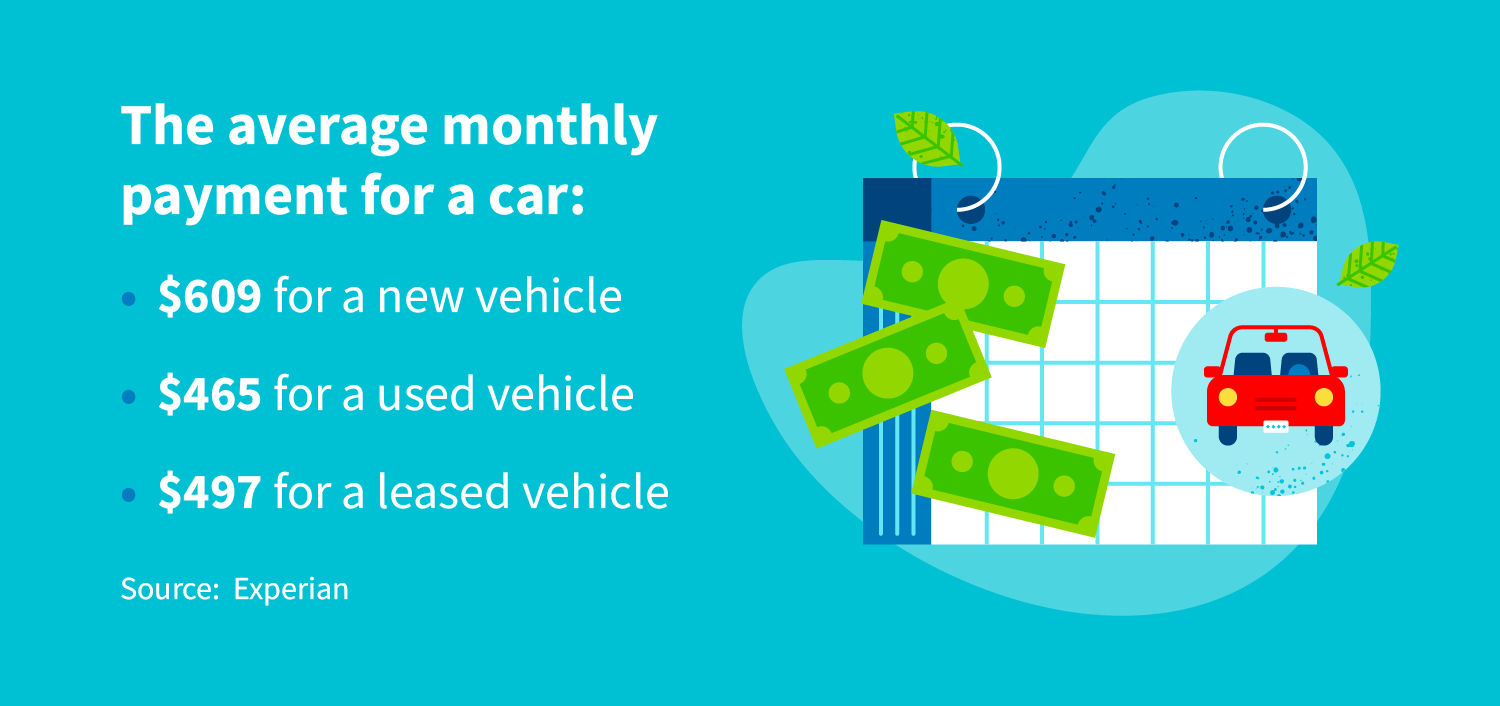
According to the most recent reports from Experian and the National Automobile Dealers Association, the average monthly car payment for a new vehicle in 2024 sits around $623. For used cars, the figure drops to roughly $460. Those amounts represent a modest rise from the previous year, reflecting both higher sticker prices and a slight uptick in average loan terms.
Key Factors Behind the Average
- Vehicle price inflation: New‑car MSRP has crept up about 6% year‑over‑year, driven by chip shortages, supply‑chain constraints, and a surge in demand for electric models.
- Loan length: The typical loan term has stretched from 60 months to 72 months, spreading payments out but increasing total interest paid.
- Interest rates: With the Federal Reserve keeping rates elevated, average auto‑loan APRs hover near 5.5% for new cars and 6.3% for used, up from roughly 4% a couple of years ago.
- Down‑payment trends: Many buyers are still putting down less than 10% of the vehicle’s price, which keeps monthly numbers higher.
Regional Variations You Might Not Expect
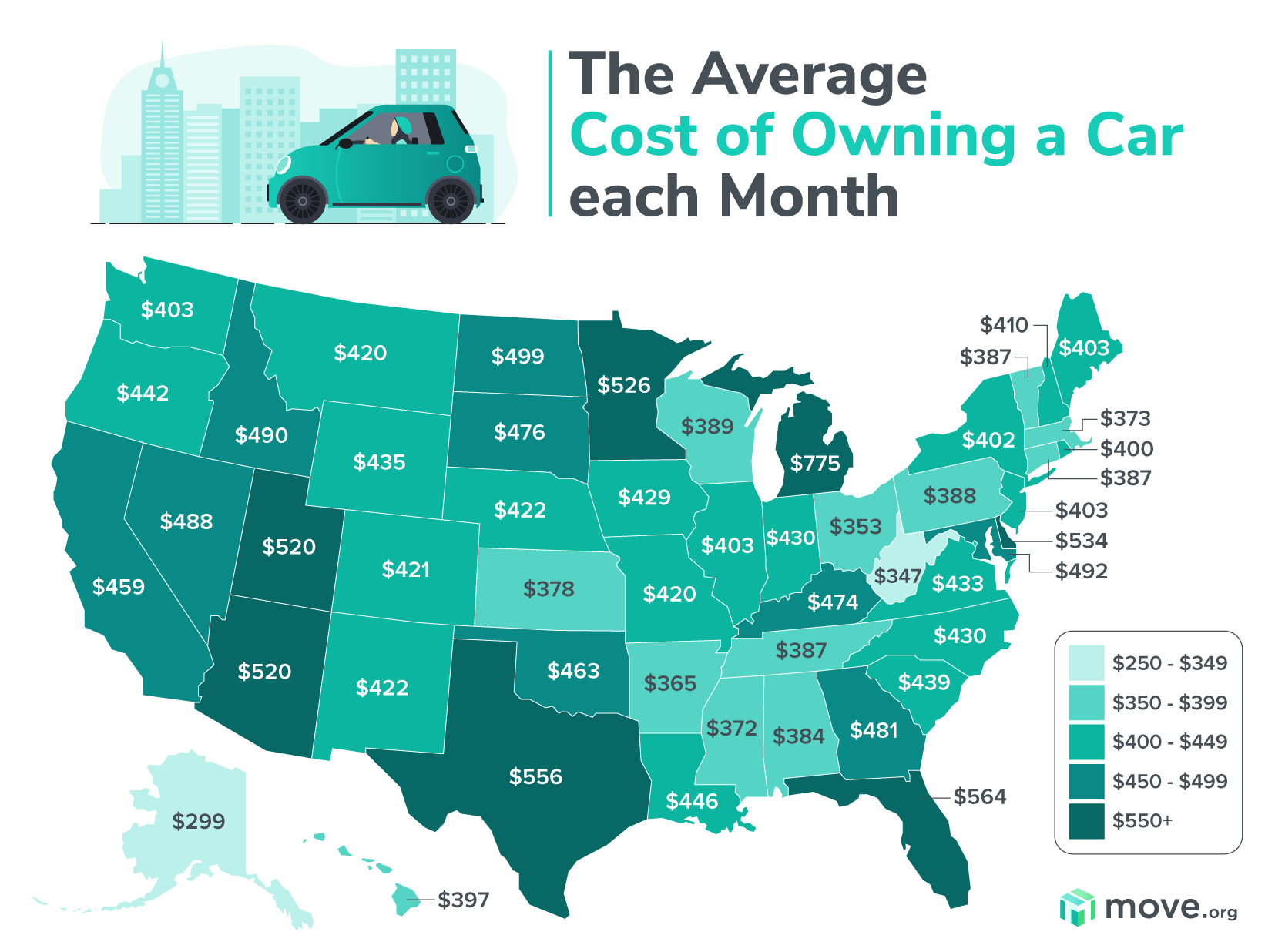
While the national average gives a useful benchmark, where you live can tip the scales. For example, borrowers on the West Coast often face higher payments—averaging $680 for a new car—thanks to higher vehicle costs and state taxes. In contrast, the Midwest tends to lag behind the national figure, with average payments around $580.
How Your Credit Score Impacts the Monthly Bill
Credit isn’t just a footnote; it’s a major lever. A borrower with a excellent score (720+), can expect APRs in the low‑3% range, shaving $100–$150 off a typical payment. Conversely, a fair score (620–659) may be stuck with rates above 7%, pushing the monthly cost upward by a similar margin.
Quick Ways to Lower Your Payment
- Shop around for the best APR before you settle on a dealer’s financing offer.
- Consider a larger down‑payment if you have cash on hand; even a 5% boost can cut interest dramatically.
- Shorten the loan term—yes, the payment goes up a bit, but you’ll save on interest and own the car sooner.
- Explore certified‑pre‑owned options; they often blend the reliability of a new car with the lower price tag of a used one.
Is the Average Payment Sustainable?
Financial experts caution that a payment exceeding 15% of a household’s take‑home pay can strain budgets. With median disposable income hovering around $3,800 per month, a $623 payment consumes about 16%—a borderline figure for many families. It’s why budgeting tools and pre‑approval checks have become a staple of the car‑shopping process.
What the Future Might Hold
Looking ahead, a few trends could reshape the average payment landscape:
- Electrification: As EV prices gradually fall and incentives increase, we may see a dip in average new‑car payments.
- Subscription models: More manufacturers are trialing “car‑as‑a‑service” plans that bundle maintenance and insurance, potentially flattening monthly costs.
- Continued rate hikes: If the Fed maintains a tight monetary stance, APRs could edge higher, nudging payments upward again.