How Precolonial Philippines Lived Everyday Before 1521
Everyday Rhythm of a Diverse Archipelago
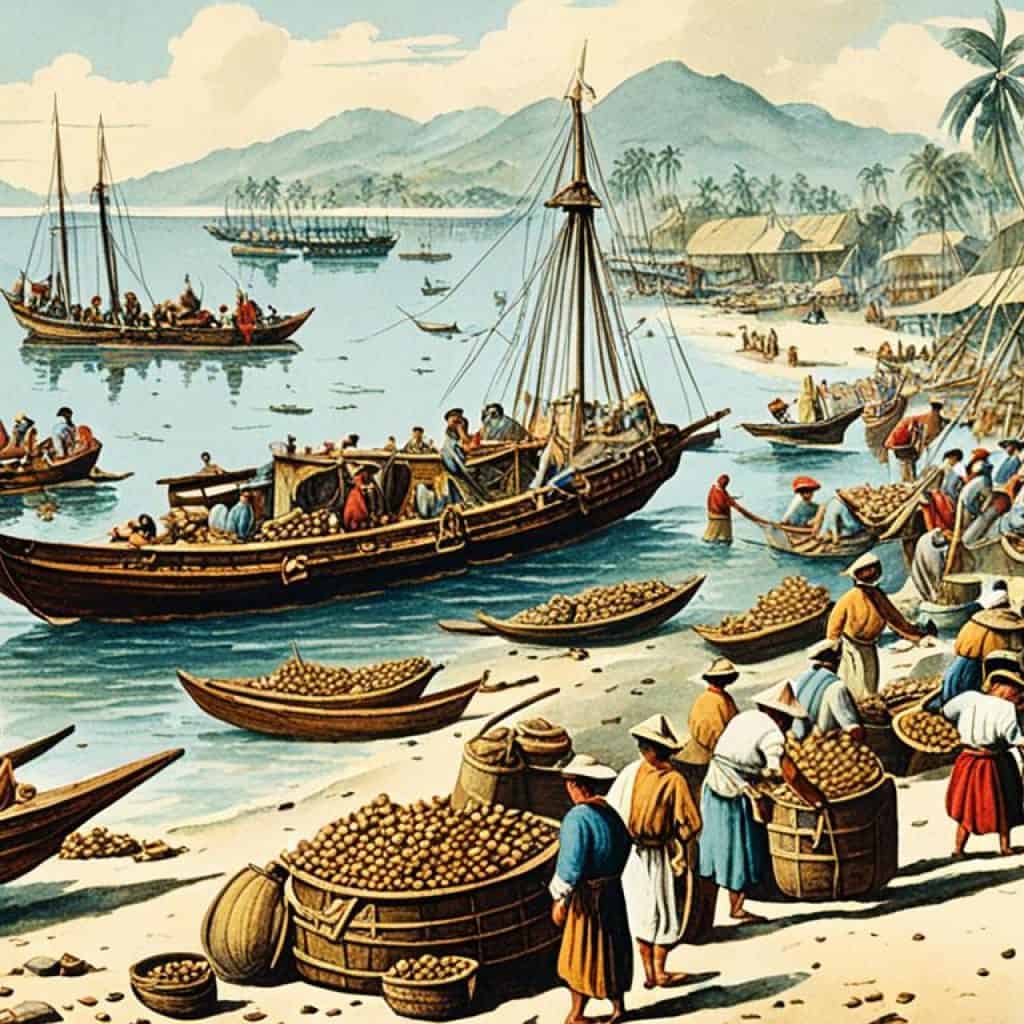
Imagine waking up to the salty breeze that sweeps across hundreds of islands, each with its own language, customs, and rhythm. Long before any European sails breached the horizon, the peoples of what we now call the Philippines had already fashioned a vibrant tapestry of life. Their days were marked not by the ticking of clocks but by the rise of the sun, the ebb of tides, and the cycles of planting and harvest.
Social Fabric: Barangays and Their Leaders
The basic political unit was the barangay, a community of perhaps a few dozen to several hundred families. Leadership rested on a datu, chosen for bravery, wealth, or lineage. Below the datu, a council of elders—often called the rada—offered counsel, while women could hold significant influence as priestesses or traders.
- Datu: Military chief, lawgiver, and often the richest farmer.
- Babaylan: Spiritual mediator, healer, and keeper of oral tradition.
- Alipin: Not slaves in the harsh sense, but dependents who could work toward freedom.
These roles weren’t rigid; social mobility happened, especially through marriage alliances or exceptional feats in battle.
Economy: From Rice Terraces to Oceanic Trade
Agriculture anchored most lives. In the highlands of Luzon and the Cordilleras, ingenious rice terraces harvested water from misty clouds, producing enough grain to feed entire villages. Meanwhile, coastal groups turned the sea into a highway.
Trade routes spanned from the Sulu Sea to the Indonesian archipelago, exchanging:
- Gold and copper ornaments
- Spices like cloves and cinnamon
- Porcelain from China
- Glass beads from India
These exchanges weren’t merely economic—they cemented diplomatic ties and spread ideas, such as new farming techniques or mythic tales.
Spiritual World: Animism, Ancestors, and Early Hindu Influence
Religion wove through every activity. Most Filipinos practiced an animistic belief system, seeing spirits in trees, rivers, and even household objects. The babaylan mediated between these forces and the people, performing chants that could last through the night.
Yet, deep‑sea trade introduced foreign motifs. Hindu-Buddhist iconography appeared on sculptures in Mindanao and the Visayas, hinting at a syncretic blend where local deities coexisted with distant gods.
Arts, Craftsmanship, and the Oral Tradition
Without a written script—though some scripts like Baybayin existed—history survived in songs, riddles, and epic poems. The famed Hudhud of the Ifugao narrated heroic deeds while workers tended the terraces.
Material culture was equally impressive:
- Intricate gold filigree jewelry, often buried with elite members.
- Fine pottery, glazed with natural pigments.
- Wooden boats—called —that could navigate open seas for months.
These creations weren’t just for show; they expressed identity, status, and a deep respect for nature.
Everyday Challenges and Resilience
Life wasn’t always idyllic. Typhoons could wipe out entire rice fields, and inter‑barangay rivalries sometimes erupted into skirmishes. Yet, communal rituals—like the planting ceremony of the kaingin—reinforced cooperation. Families pooled labor, shared tools, and celebrated harvests with feasts that could last days.
Even diseases traveled with the winds, but traditional healers wielded herbs, massage, and prayer, offering relief when foreign remedies were unknown.
Legacy: Echoes in Modern Philippines
Many customs persist: the communal spirit of “bayanihan,” the reverence for elders, and even the scripts etched on historic monuments. While Spanish colonization reshaped politics and religion, the pre‑1521 foundations still pulse beneath contemporary culture.
Understanding that era reminds us that the Philippines has never been a blank slate awaiting discovery; it has always been a mosaic of peoples who knew how to live, trade, and celebrate long before any foreign flag hoisted a mast.