How Much Does a Trailer Park Home Really Cost? Key Considerations
What You’re Really Paying For
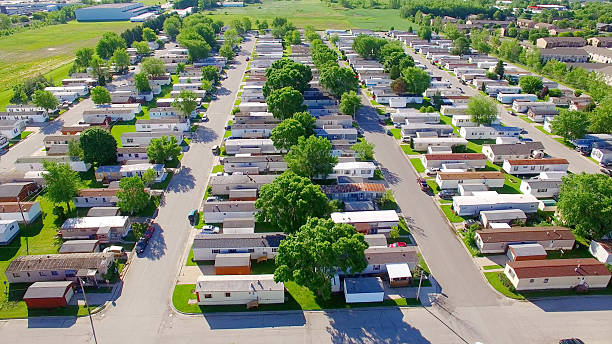
When you hear “trailer park home,” the first thing that usually comes to mind is a price tag far lower than a conventional house. That’s partly true, but the reality is a bit messier. A trailer—officially called a manufactured home—is sold as a structure, while the land it sits on is often rented from a park operator. So the total monthly outlay combines two distinct figures: the purchase price (or mortgage) and the lot rent.
In 2024, the average price for a new, single-wide model hovers around $70,000 to $85,000. Double-wide units, which offer more square footage and amenities, typically start near $110,000 and can climb well above $150,000 depending on upgrades. Older units, especially those built before the 1976 HUD standards, can be found for a fraction of that—sometimes under $30,000—but they may require costly retrofits to meet today’s safety and energy codes.
Factors That Drive the Bottom Line
Not every trailer park home is priced the same. A handful of variables can swing the cost up or down dramatically.
- Size and Layout: Single-wide units average 600–1,100 sq ft, while double-wides range from 1,200 to 2,300 sq ft. More rooms, larger kitchens, and lofts add to the price.
- Construction Year: Newer homes benefit from modern insulation, energy‑efficient windows, and stricter wind‑uplift standards—features that raise the sticker price but can lower utility bills.
- Location: Park rent varies widely. Rural parks in the Midwest might charge $250–$350 per month, whereas a premium park near a major city could demand $600–$900.
- Customization: Upgraded appliances, hardwood flooring, or a higher‑grade HVAC system can add several thousand dollars.
- Transportation Costs: Moving a 40‑foot unit a few hundred miles can cost $2,000–$4,000, while cross‑country hauls may top $7,000.
Hidden Expenses You Can’t Ignore
Even after you’ve nailed down the purchase price, a few sneaky costs tend to pop up later.
Installation and Setup
Anchoring the home, connecting utilities, and grading the site aren’t “free.” Expect $3,000–$7,000 for a basic setup, more if you need a septic system or a new well.
Insurance
Manufactured homes require a specific type of insurance—often called “mobile home insurance.” Premiums can range from $400 to $1,200 annually, depending on location, value, and coverage level.
Annual Park Fees
Beyond the monthly lot rent, many parks levy extra fees for amenities like clubhouses, pools, or cable. These can add $50–$150 per month to your budget.
Maintenance
Skirting, roof patches, and occasional under‑carriage repairs are part of ownership. A rule of thumb is to set aside 1% of the home’s value each year for upkeep.
Financing a Trailer Park Home
Because a manufactured home is technically personal property until it’s permanently affixed to land you own, traditional mortgages don’t always apply. Here are the most common routes.
- Chattel Loans: Short‑term, higher‑interest loans that treat the home like a vehicle. Useful if you’re renting a lot and don’t own the land.
- FHA Title I Loans: Government‑backed loans that can cover up to 99% of the purchase price, provided the home meets HUD standards and is placed on a permanent foundation.
- Conventional Mortgages: If you buy both the land and the home, you can often secure a standard mortgage, though lenders may require a larger down payment.
Interest rates vary, but expect 4%–7% for FHA and 6%–9% for chattel loans, depending on credit scores and market conditions.
Practical Tips for Staying Within Budget
Knowing where the money goes helps you avoid surprises.
- Get a detailed quote that breaks down the home, transport, installation, and any park fees.
- Ask the dealer if the unit is “ready‑to‑move” or if you’ll need to purchase a separate foundation kit.
- Shop around for insurance early; rates can differ dramatically between providers.
- Consider a modest upgrade—like a more efficient furnace—if it saves you $100 a month on utilities.
- Negotiate the lot rent, especially if you’re committing to a multi‑year lease.
Is a Trailer Park Home a Good Value?
Affordability isn’t just about the purchase price; it’s about what you get for your money. A well‑maintained double‑wide with modern amenities can feel spacious enough for a small family, while still costing a fraction of a site‑built house. On the flip side, the lack of land ownership means you’re subject to park rules and rent hikes.
For many, the trade‑off makes sense: lower entry costs, predictable monthly expenses, and the flexibility to relocate if life throws a curveball. If you’re comfortable with the idea of renting the land and you’ve done the math on hidden fees, a trailer park home can be a solid, budget‑friendly step onto the property ladder.