How Much Does a TRUMPF Laser System Really Cost?
When you start looking at high‑end laser equipment, the price tag can feel like a brick wall. TRUMPF, a name that pops up whenever serious metal‑working or sheet‑metal fabrication is discussed, is no exception. Yet the cost isn’t just a single number – it’s a mix of machine specs, accessories, installation, and ongoing upkeep. Below we break down what you’ll likely encounter on the price sheet, and why each piece matters.
Core Factors That Shape the Price
Not all TRUMPF lasers are created equal. The following variables tend to drive the widest price swings:
- Power Output – From modest 500 W for thin‑sheet cutting to 6 kW+ for thick plate work, higher wattage dramatically raises the base price.
- Technology Type – CO₂ versus fiber lasers have distinct cost structures; fiber generally commands a premium but offers lower operating expenses.
- Automation Level – Adding a robotic arm, conveyor system, or CNC controller can double or triple the budget.
- Configuration Options – Beam delivery accessories, lens kits, and gas‑assist modules each add incremental cost.
- Geographic Region & Import Duties – Taxes, shipping, and local dealer margins differ widely across continents.
Typical Price Ranges by Machine Category
Below is a rough guide to what you might see on a quote, based on a 2024 market snapshot:
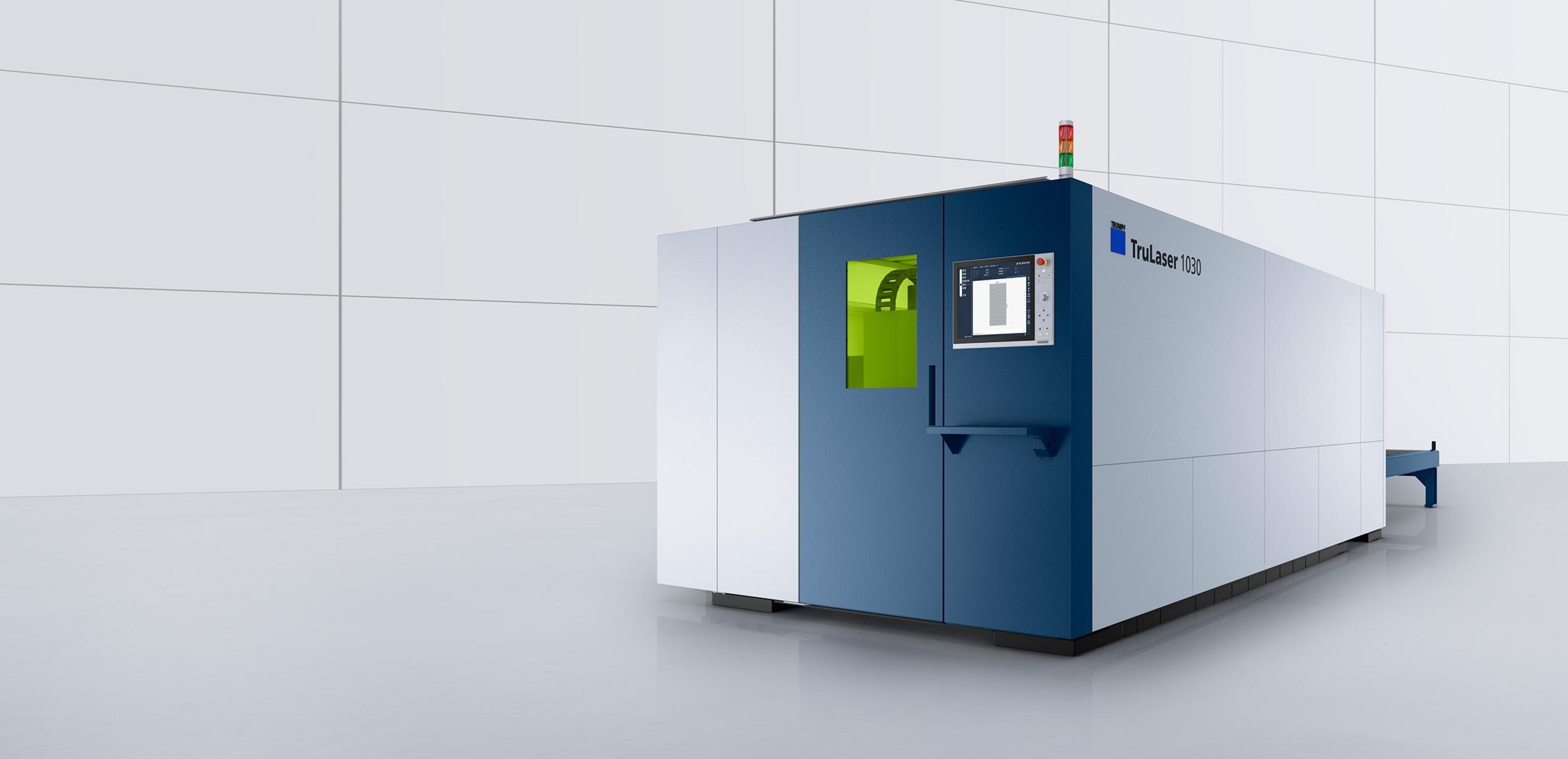
- Entry‑Level Fiber (≤1 kW): $70 000 – $120 000
- Mid‑Range CO₂ (2 kW – 4 kW): $120 000 – $250 000
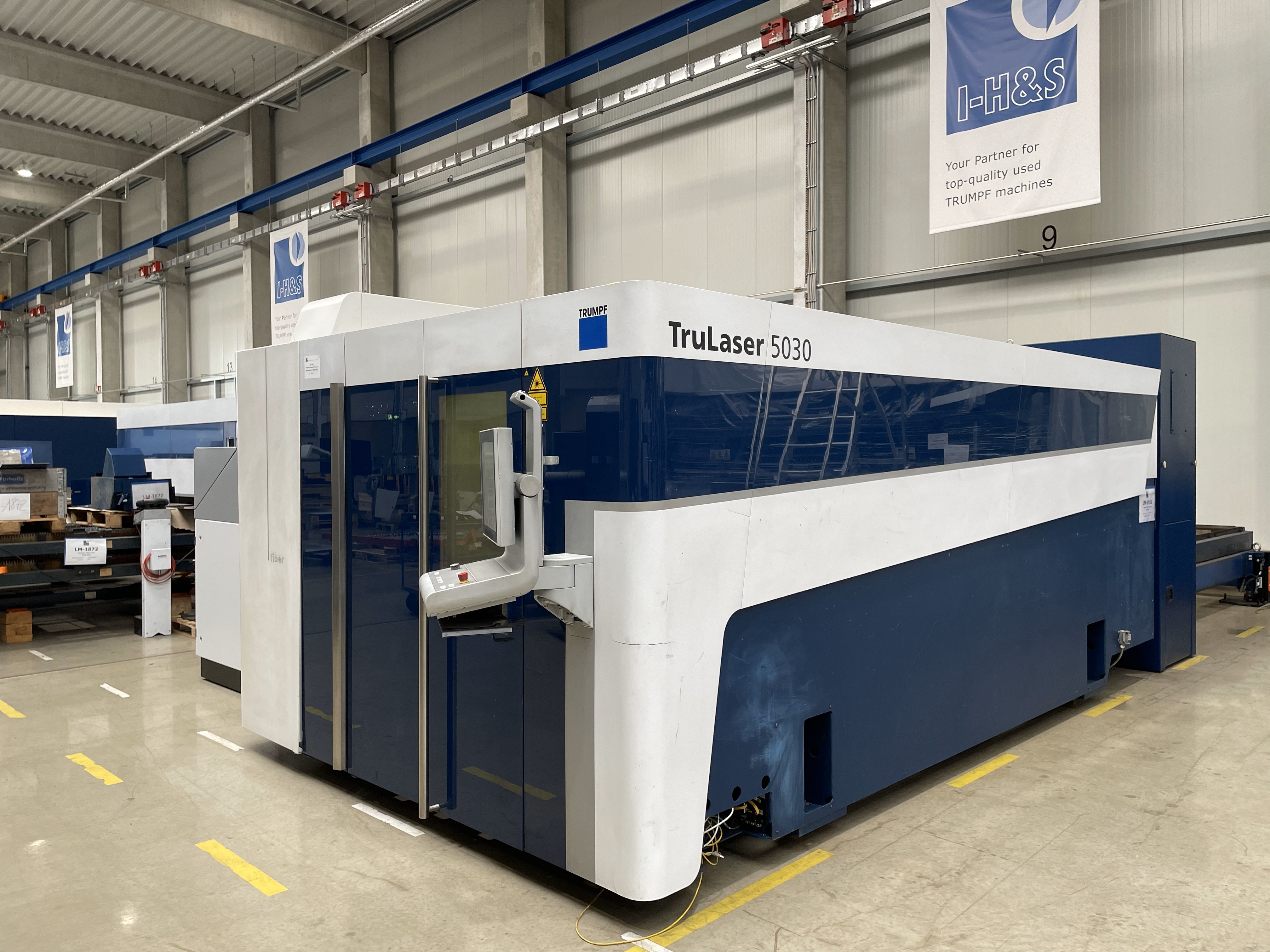
- High‑Power Fiber (≥4 kW): $250 000 – $500 000
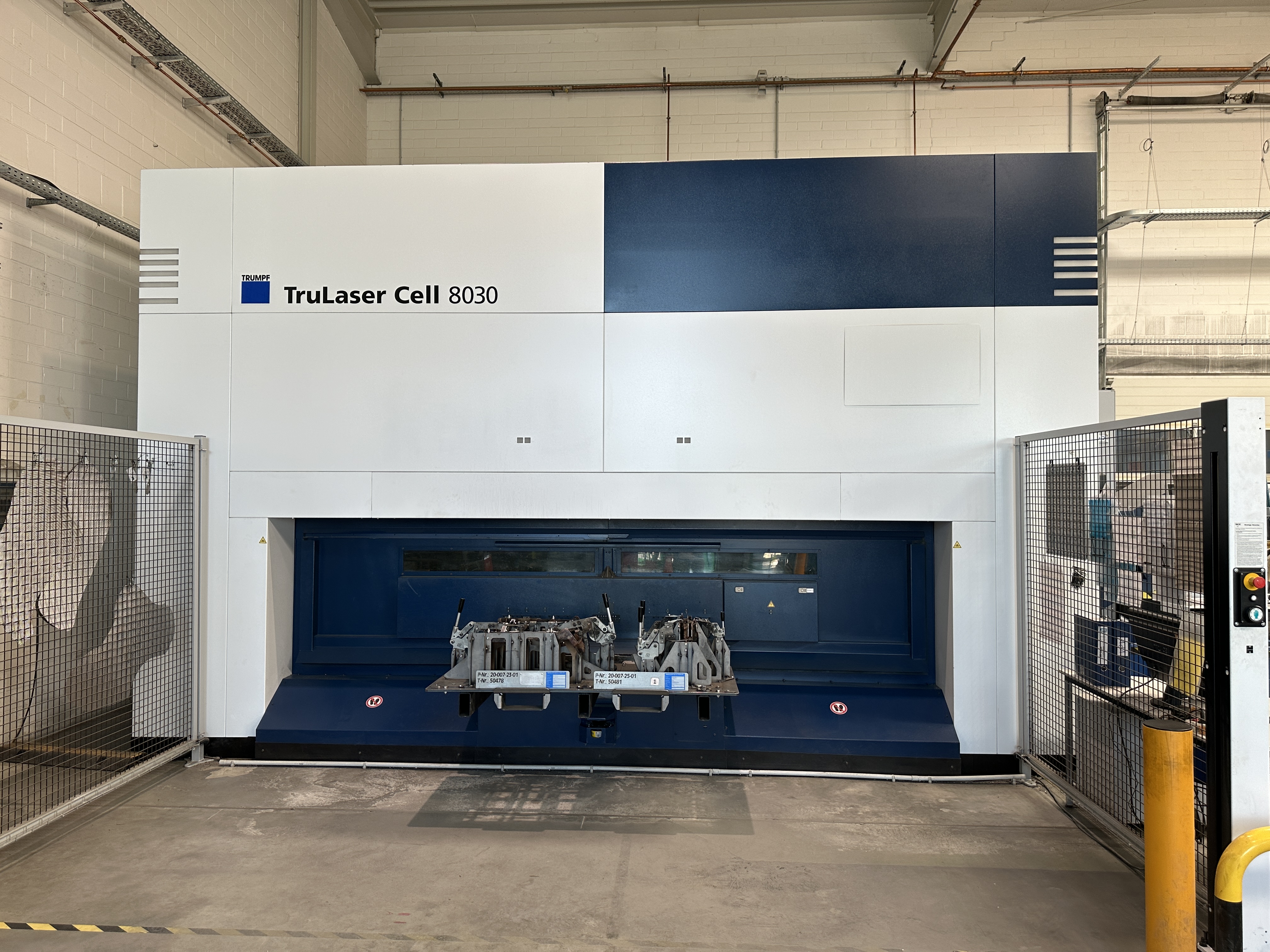
- Fully Automated Production Cells: $500 000 – $1 500 000+
These figures cover the machine itself plus a standard warranty. Anything beyond the baseline – for instance, a proprietary software package or extended service contract – pushes the total higher.
Installation and Commissioning: The Hidden Expense
A TRUMPF laser isn’t a plug‑and‑play device. You’ll need a properly prepared shop floor, electrical work, cooling infrastructure, and sometimes a safety enclosure. Installation fees can range from 10 % to 25 % of the equipment cost, depending on how much of the groundwork is already in place.
Don’t overlook the commissioning phase. A skilled TRUMPF technician will fine‑tune the optics, calibrate the motion system, and train your operators. While it feels like an extra step, skimping here often leads to higher scrap rates and downtime later.
What to Ask Your Dealer
- Is site preparation included in the quote?
- How many hours of on‑site training are provided?
- Can the installation schedule be adjusted to avoid production bottlenecks?
Ongoing Costs: Consumables and Service
Even after the initial outlay, there are recurring expenses to keep in mind:
- Laser Gas (for CO₂ models) – Typically 5–10 % of the machine price per year.
- Lenses & Nozzles – Replacement intervals vary; budgeting $2 000–$5 000 annually is prudent.
- Maintenance Contracts – A comprehensive plan can run $10 000–$30 000 annually, but it often saves money by preventing unscheduled repairs.
- Electricity – High‑power lasers draw significant power; a 6 kW unit may add $3 000–$5 000 to annual utility bills.
Financing Options and ROI Considerations
Because the upfront cost can be intimidating, many manufacturers and third‑party lenders offer leasing or loan programs. A typical lease might require a 20 % down payment followed by monthly installments over 36–60 months. This spreads the cash flow impact and can align payments with the machine’s revenue contribution.
Speaking of revenue, the real question is whether the laser pays for itself. A quick back‑of‑the‑envelope calculation helps:
- Average part value: $150
- Units produced per day: 200
- Operating days per year: 250
- Annual gross output: $150 × 200 × 250 = $7 500 000
If the laser enables a 30 % productivity boost over a prior system, that’s an extra $2.25 million in potential sales. Even after accounting for consumables, electricity, and service, the return on investment often materializes within 2–3 years.
Tips for Getting the Best Value
Because every shop’s needs differ, consider these practical steps before signing a contract:
- Define Your Core Application – Are you mainly cutting thin aluminum or thick stainless steel? Choose a power level that matches, not exceeds, your typical work.
- Ask for a Demo – Seeing the machine in action with a sample part can reveal hidden strengths or limitations.
- Negotiate the Package – Bundling accessories, software, and service often yields a better overall price than buying piecemeal.
- Check for Upgradability – A model that allows retrofitting of higher‑power modules can save money if you anticipate scaling later.
- Read the Fine Print – Warranty terms, response times, and parts availability differ between dealers.
In short, the headline number you see advertised only scratches the surface. By dissecting each component – from machine specs to installation, consumables, and financing – you can arrive at a realistic budget and, more importantly, a clear picture of the value a TRUMPF laser will bring to your operation.