How Much Does Car AC Repair Really Cost? What to Expect
When the summer heat waves roll in, a sputtering or silent air‑conditioning system can feel like a personal betrayal. Before you start Googling “cheap AC fix,” it helps to understand the moving parts, the common culprits, and the price range you’re likely to see on a repair invoice.
What Drives the Price Tag?
Car AC repair isn’t a one‑size‑fits‑all job. Several variables determine the final bill:
- Type of problem. A simple refrigerant leak costs far less than a busted compressor.
- Vehicle make and model. Luxury or imported cars often require specialty tools and pricier parts.
- Labor rates. Shops in big cities or at dealerships typically charge more per hour than independent garages.
- Location. Regional cost‑of‑living differences can swing a $150 fix to $400.
Because of these factors, most mechanics provide a range rather than a single figure.
Common Issues and Their Approximate Costs
Refrigerant Recharge
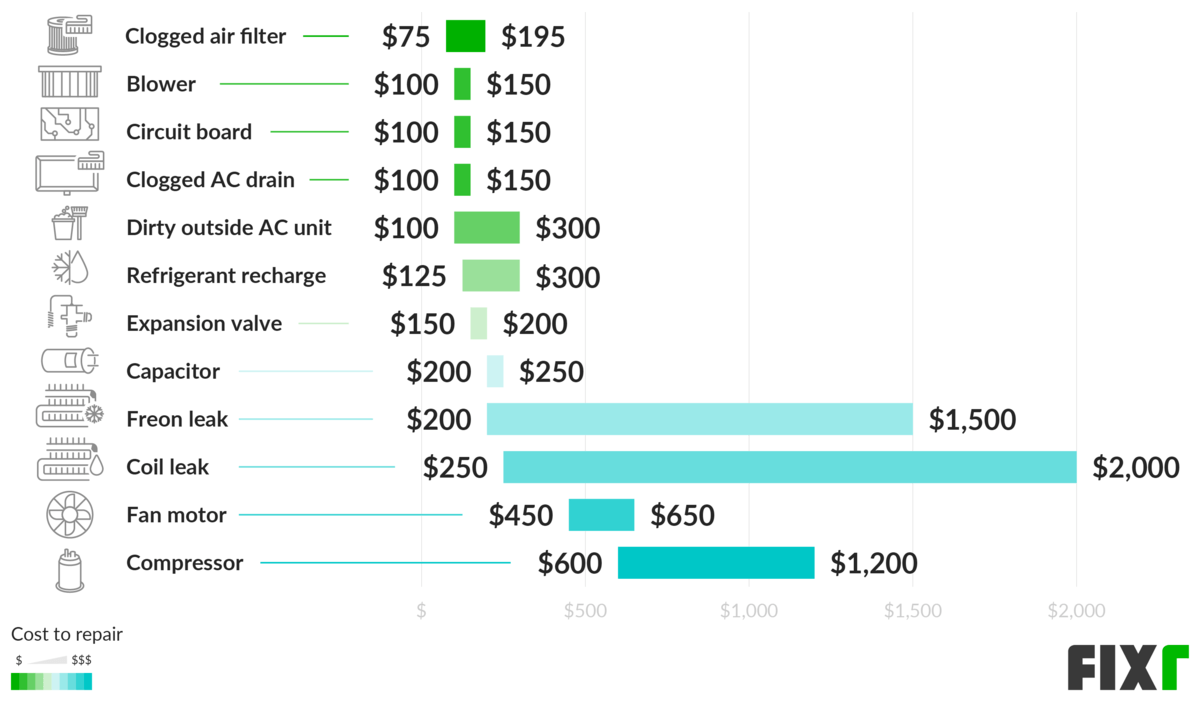
Low coolant is the most frequent complaint. A recharge usually involves evacuating old gas, checking for leaks, then refilling with the correct R‑1234yf or R‑134a charge. Expect to pay between $80 and $150, depending on the amount needed and whether the shop includes a basic leak inspection.
Leak Detection and Repair
If a recharge doesn’t hold, a leak is the likely culprit. Locating it can be as easy as a visual inspection of hoses, or as involved as a UV dye test and pressure readout. Repairs range from a few dollars for a cracked hose clamp to $300‑$650 for a corroded condenser or evaporator replacement.
Compressor Replacement
The compressor is the heart of the system; when it fails, the whole AC goes flat. Replacing it involves removing the belt, draining the system, and installing a new unit with fresh oil. Labor alone can run $200‑$300, and the part itself costs $400‑$800 for most midsize cars. Total, you’re looking at $600‑$1,200.
Condenser or Evaporator Swap
Both the condenser (front of the car) and evaporator (inside the dash) are prone to corrosion or clogging. A condenser replacement typically runs $350‑$600, while an evaporator—because it’s hidden behind the dashboard—can climb to $500‑$900.
Electrical Glitches
Faulty switches, blown fuses, or a bad climate control module can silence the AC without any refrigerant loss. Diagnosing the wiring may cost $100‑$150, and fixing the component adds $50‑$250, depending on the part.
How to Keep the Bill From Spiraling
- Ask for a detailed estimate. A good shop breaks down parts, labor, and any additional testing fees.
- Get a second opinion. If a dealership quotes $1,200 for a compressor, a reputable independent shop might offer the same part with lower labor.
- Maintain the system. Regularly run the AC, even in winter, to circulate oil and keep seals supple.
- Watch for early warning signs. A faint hissing sound, uneven cooling, or a musty odor often point to a minor issue that’s cheaper to fix now.
DIY vs. Professional Service
Recharging refrigerant is one of the few AC tasks a competent DIYer can tackle, provided you have a certified refill kit and follow local regulations (some regions require a licensed technician to handle refrigerants). Anything involving major components—compressor, condenser, evaporator—should stay in the hands of professionals. Mishandling can not only damage the system further but also create safety hazards.
When to Consider Replacing the Whole System
If your car is over ten years old, has had multiple major repairs, and the battery or alternator is already on its way out, the cumulative cost of repeated fixes might approach the price of a new vehicle. In such cases, weigh the total repair spend against the car’s market value. A rule of thumb: if repairs exceed 50 % of the car’s resale price, it’s time to think bigger.
Bottom Line: Budgeting for Comfort
Understanding the typical price brackets helps you avoid unpleasant surprises at the service counter. Most routine fixes—recharges, minor leaks—stay under $200. More extensive work—compressor or evaporator swaps—push the bill into the $600‑$1,200 range. By staying alert to early symptoms, choosing a reputable shop, and demanding transparent estimates, you can keep your car’s cabin cool without breaking the bank.