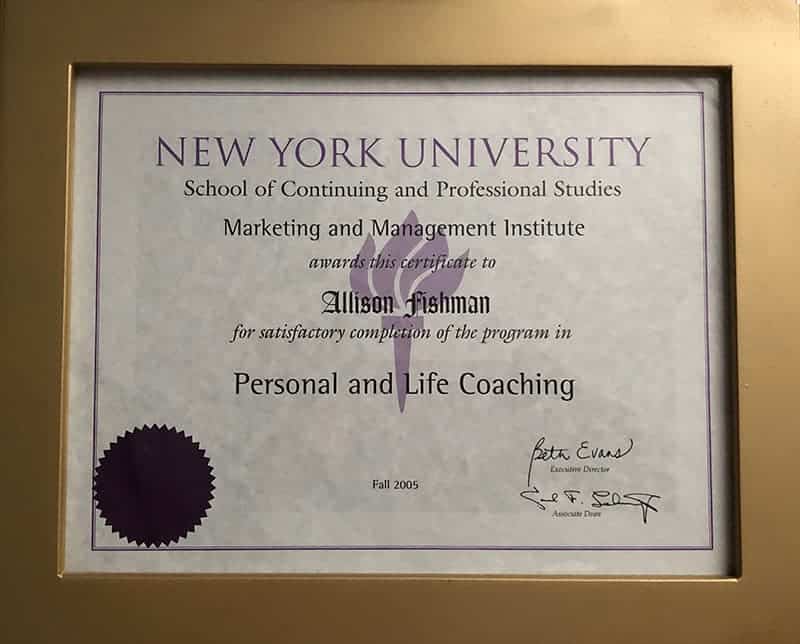
How NYU Graduate Certificates Can Accelerate Your Success
Thinking about a quick credential boost without the full‑time master’s commitment? New York University’s graduate certificate programs are designed to slot into busy lives while delivering focused expertise that employers actually notice. Below, we’ll unpack why these certificates matter, which fields are hot right now, and how to turn a handful of courses into a stepping stone toward the career you’ve been eyeing.
Why Choose a Graduate Certificate?
Certificates sit in a sweet spot between a single professional development course and a full graduate degree. They usually require 12–18 credits, meaning you can finish in a semester or two. The payoff?
- Targeted skill set – you learn exactly what the job description calls for.
- Flexibility – many NYU options are offered online, evenings, or in hybrid formats.
- Cost efficiency – tuition is a fraction of a master’s program, yet the credential carries the same brand cachet.
Who Benefits Most?
Not everyone needs a certificate. It shines for three main groups:
- Professionals pivoting to a new industry (e.g., a marketing analyst moving into data science).
- Employees seeking promotion within their current field who need a specific technical or managerial badge.
- Recent graduates who want to differentiate themselves before diving into the job market.
If you fall into any of these categories, a NYU certificate could be the catalyst that turns a “maybe” into a firm offer.
Hot Certificate Tracks at NYU
Data Science & Analytics
The data boom isn’t slowing down, and NYU’s Data Science for Business certificate packs Python, SQL, and machine‑learning fundamentals into a practical, business‑focused curriculum. Graduates often land roles as analytics consultants or junior data scientists.
Digital Marketing
From SEO to programmatic advertising, this track partners with industry platforms so you graduate with a portfolio you can actually show to recruiters. The mix of theory and real‑world projects is especially valuable for agency‑hopping professionals.
Financial Technology (FinTech)
Blockchain, digital payments, and regulatory tech dominate this certificate. It’s a fast‑track for banking veterans who want to stay relevant as fintech startups reshape the sector.
Health Informatics
Hospitals and health‑tech firms are hungry for people who can bridge clinical knowledge and data systems. NYU’s program covers electronic health records, privacy law, and predictive analytics—a trio that many employers list as “must‑have.”
How the Application Process Works
Applying is straightforward, but a few steps can set you apart:
- Review prerequisites – most certificates require a bachelor’s degree; some ask for a bit of work experience in a related field.
- Gather transcripts – NYU accepts digital uploads, so you can send them straight from your previous institution.
- Craft a concise statement of purpose – focus on why the specific certificate fits your career plan, not a generic “I love NYU.”
- Secure financing early – explore employer tuition assistance, FAFSA (if eligible), or NYU’s own scholarship pool.
Balancing Work, Life, and Coursework
Even with flexible scheduling, juggling a certificate and a full‑time job can feel like a tightrope act. Here are a few tactics that have helped past students:
- Block out two evenings a week for coursework and treat them like non‑negotiable meetings.
- Leverage NYU’s asynchronous modules; watch lectures during commutes or lunch breaks.
- Form a study buddy system with classmates – accountability beats solitary slogging.
Translating the Credential into Career Gains
Finishing the certificate is only half the battle; you need to showcase it effectively.
- Update your LinkedIn profile – add the certificate under “Licenses & certifications” and list key projects in the “Featured” section.
- Revise your résumé – insert a “Relevant Coursework” bullet that highlights tools or methodologies you mastered.
- Network with alumni – NYU’s alumni portal lets you reach out to graduates who now work at companies you’re targeting.
In many cases, recruiters can’t tell the difference between a certificate and a master’s when the skill set aligns perfectly with the role. It’s all about how you frame the accomplishment.
What to Expect After Graduation
Most NYU certificate programs include a capstone project or a real‑world case study. That deliverable often becomes the centerpiece of your portfolio. Employers love tangible evidence over a list of courses.
Beyond the credential, you gain access to NYU’s career services—resume workshops, mock interviews, and job fairs that specifically target graduate certificate students. It’s a modest but genuine support network that can keep the momentum going.
Final Thought
If you’re at a crossroads—whether you need that extra edge for a promotion, crave a career pivot, or simply want to deepen your expertise without the long haul of a master’s—NYU’s graduate certificate programs offer a pragmatic route. The combination of brand prestige, focused curriculum, and flexible delivery means you can earn a marketable credential while still attending to work and life responsibilities. The real question is not “should you enroll?” but “when will you start turning those short‑term classes into long‑term success?”