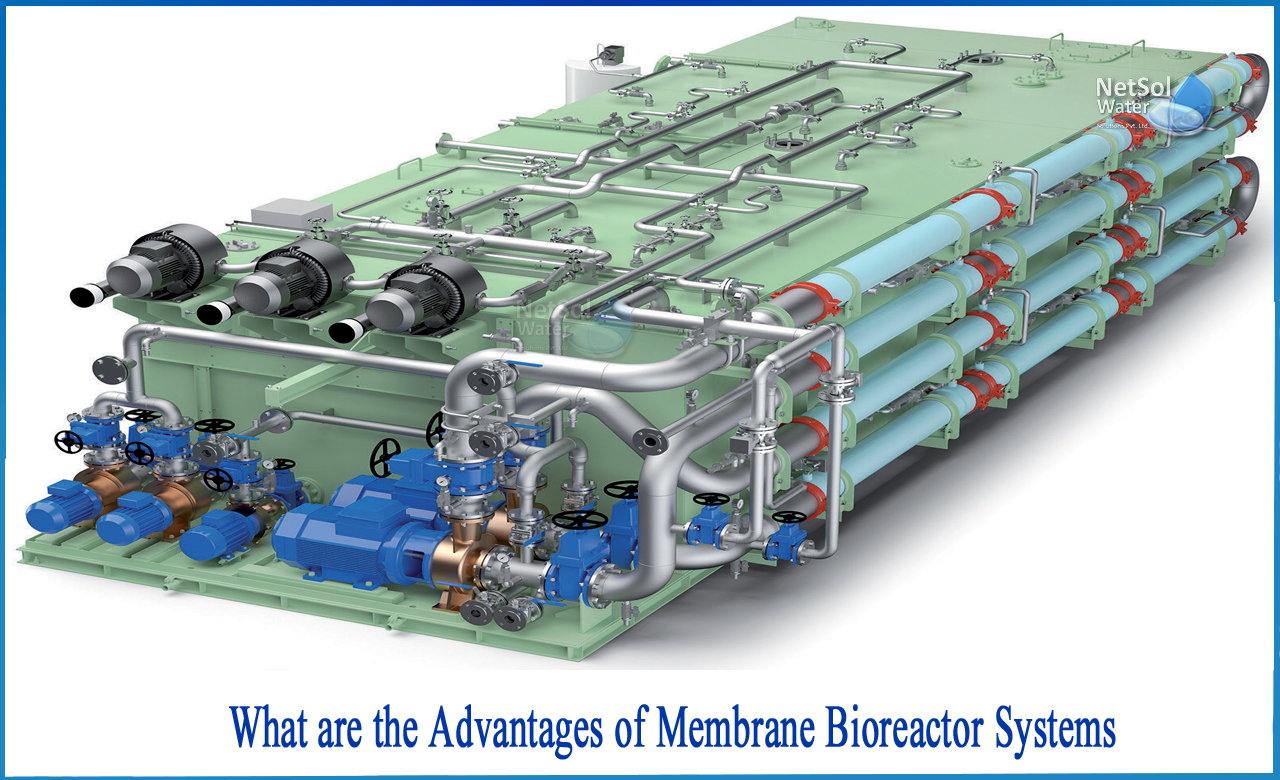
How Oscillating Membrane Bioreactors Revolutionize Wastewater Treatment
Water scarcity is no longer a distant threat for many regions. It’s a daily operational headache for municipalities and industrial facilities alike. Traditional wastewater treatment works, but it’s bulky, energy-intensive, and often struggles with the increasing complexity of modern waste streams. This is where membrane bioreactors, or MBRs, have long been hailed as the gold standard. They combine biological degradation with physical filtration, producing remarkably clean effluent. But MBRs have a notorious Achilles’ heel: membrane fouling. Clogged membranes mean higher energy bills and more downtime.
Enter the oscillating membrane bioreactor. This isn’t just a tweak; it’s a fundamental rethink of how we maintain flow through those critical filtration barriers. By introducing a dynamic, sweeping motion to the membrane modules, this technology tackles fouling at its source. It’s an advanced wastewater treatment solution that promises higher efficiency and lower operational costs, but it’s not without its complexities.
The Fouling Bottleneck in Traditional MBRs
To appreciate the oscillating advance, we first need to understand why standard MBRs struggle. In a conventional setup, mixed liquor—the soup of water, bacteria, and suspended solids—is pumped across submerged membrane modules. Over time, a cake layer forms on the membrane surface. This layer creates resistance, requiring more vacuum pressure to pull water through. If that pressure gets too high, you risk tearing the membranes or simply shut down the system for cleaning.
Operators usually combat this with air scouring, blasting bubbles up behind the membranes to sweep the surface clean. It works, but it’s inefficient. A significant portion of the energy consumption in an MBR plant goes directly to those blowers. Plus, the scouring isn’t always uniform. You might clean one part of the module while leaving another clogged. This inconsistency leads to unpredictable performance and higher long maintenance hurdles.
How Oscillation Changes the Dynamics
Oscillating membrane bioreactors replace static passive filtration with active mechanical movement. Instead of relying solely on air bubbles, the membrane modules themselves—connected to a drive shaft—swing back and forth or rotate within the bioreactor tank. This mechanical motion disrupts the boundary layer right at the membrane surface before a thick cake layer can even form.
Think of it like swishing your mouth after eating. Static rinsing misses spots, but active movement clears debris more effectively. The oscillation creates shear forces that prevent flocs and colloids from settling onto the membrane pores. Because the cleaning is mechanical and continuous, the system maintains high flux rates—meaning water passes through faster and more consistently.
This shift has profound implications for energy use. Since the system doesn’t need high-pressure air scouring, electrical demand drops significantly. Some manufacturers claim energy savings of up to 30% compared to conventional MBRs. In an era where electricity costs are volatile, that marginal difference can translate to substantial budget relief for plant operators.
Key Advantages of the Oscillating Approach
- Reduced Energy Consumption: Eliminating or reducing air scouring blowers lowers the overall power footprint of the treatment process.
- Higher Flux Rates: Constant mechanical cleaning allows for faster water processing, which can mean smaller footprints for the same throughput.
- Improved Membrane Life: Less aggressive cleaning methods reduce physical stress on the membrane material, extending replacement intervals.
- Consistent Effluent Quality: Uniform cleaning ensures that the quality of the treated water remains stable, without the dips seen during fouling cycles.
Challenges and Considerations
Of course, no technology is a magic bullet. Oscillating MBRs introduce moving parts into an environment that is notoriously harsh—corrosive, acidic, and filled with abrasive solids. Mechanical reliability is paramount. If the drive mechanism fails, the system stops cleaning, and fouling can occur rapidly. Maintenance teams need to be comfortable with mechanical troubleshooting, not just biological monitoring.
There’s also the initial capital cost. The mechanical drives, bearings, and seals are more expensive than simple air diffusers. For small municipalities with tight budgets, the upfront investment can be steep. However, when you calculate the levelized cost of water production over ten to twenty years—factoring in energy savings and reduced chemical cleaning—the return on investment often justifies the premium.
Another nuance involves the specific type of wastewater. Industrial effluents with high oil or grease content might require specific membrane materials to resist chemical fouling, regardless of the oscillation. The mechanical action helps, but it doesn’t negate the need for proper pretreatment in complex industrial scenarios.
Is It Right for Your Facility?
The oscillating MBR is particularly compelling for facilities looking to upgrade existing systems without expanding their physical footprint. If you need higher throughput from the same tanks, oscillation can boost capacity by several percent. It’s also ideal for areas where energy costs are high, or where noise restrictions prevent the use of loud air blowers.
For greenfield projects, the design integration needs to happen early. The mechanical drives require specific access points and foundation considerations that differ from static systems. Engaging with experienced engineers during the design phase is crucial to avoid costly retrofits later.
We’re seeing this technology gain traction not just in municipal water treatment, but in decentralized systems for large campuses or industrial parks. The compact nature of oscillating MBRs makes them perfect for locations where space is at a premium. As water regulations tighten globally, the ability to produce high-quality reuse water consistently becomes less of a luxury and more of a necessity.
Frequently Asked Questions
Do oscillating MBRs require more maintenance than traditional systems?
Yes, but different types. You’ll spend less time managing air blower issues and chemical cleaning cycles, but more on mechanical inspections for bearings, seals, and drive motors. It’s a trade-off between biological/chemical management and mechanical upkeep.
Can oscillating MBRs handle high-strength industrial wastewater?
They can, provided the membrane material is resistant to the specific chemicals present. The oscillation helps prevent physical fouling, but chemical compatibility must be assessed on a case-by-case basis.
How much energy do they actually save?
Savings vary based on the specific design and previous system efficiency, but reductions in aeration energy alone can account for 20-30% total energy savings in many comparative studies.
Are they suitable for small-scale applications?
Highly suitable. The compact footprint and reduced need for large air handling infrastructure make them excellent for decentralized or small community wastewater treatment needs.