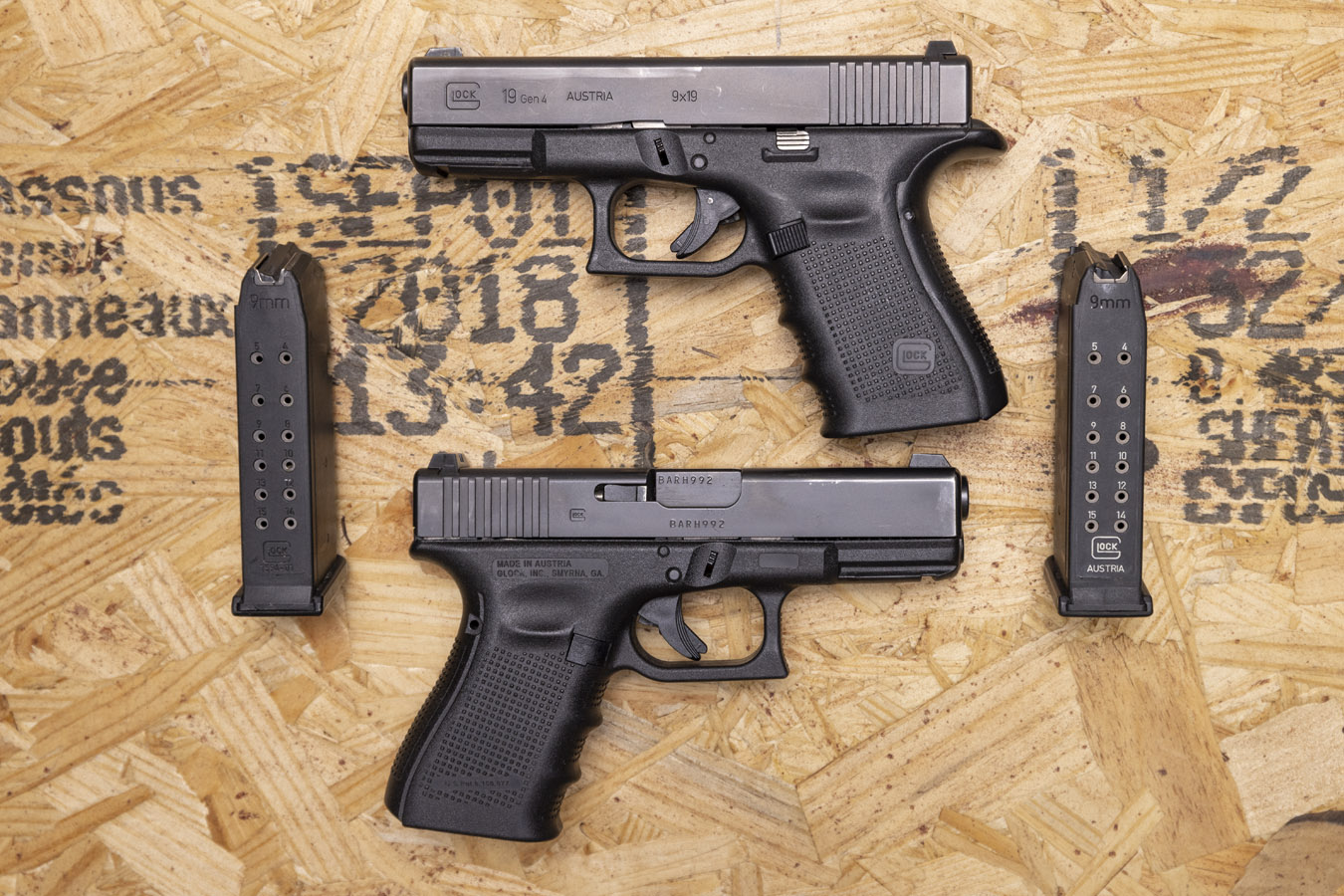
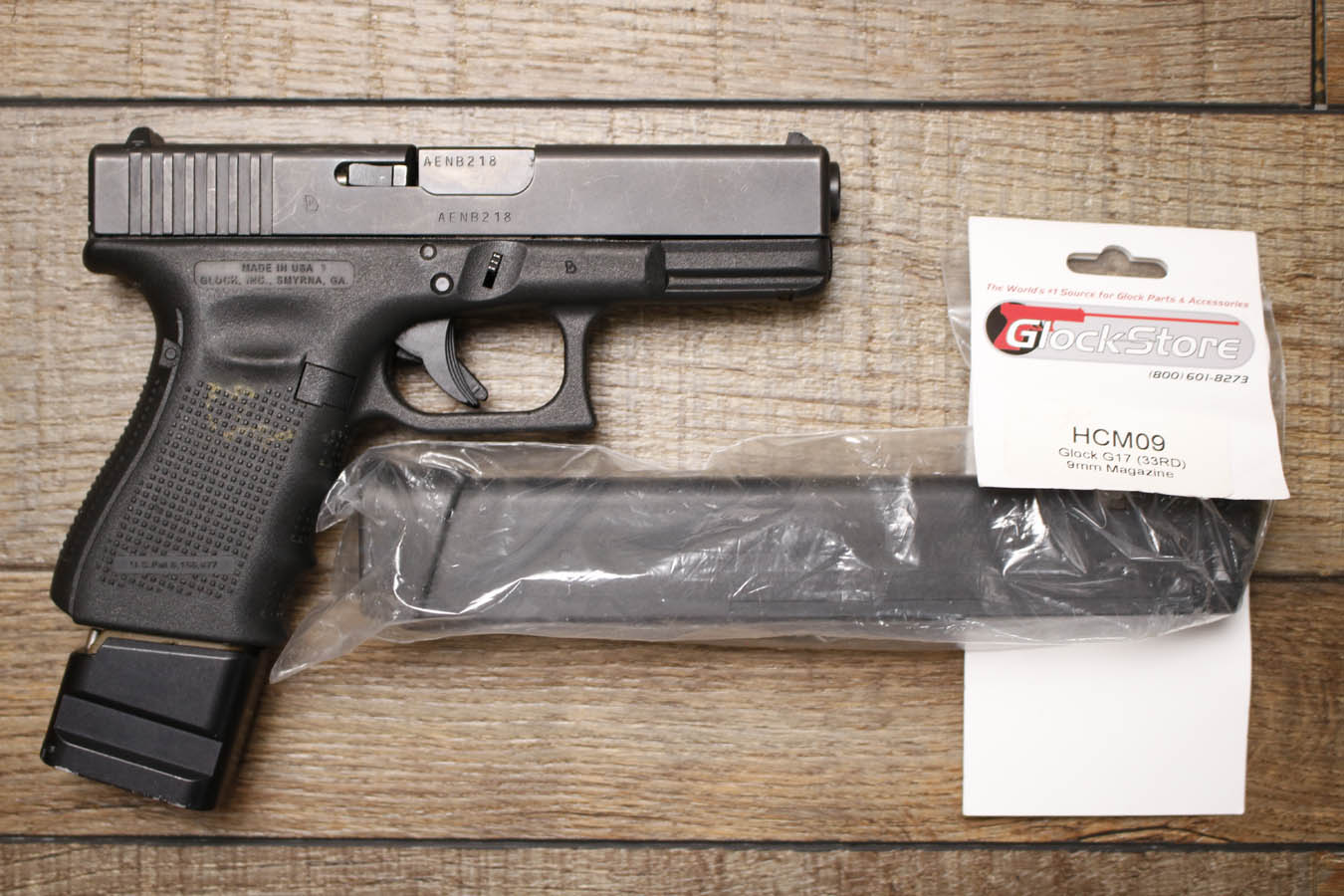
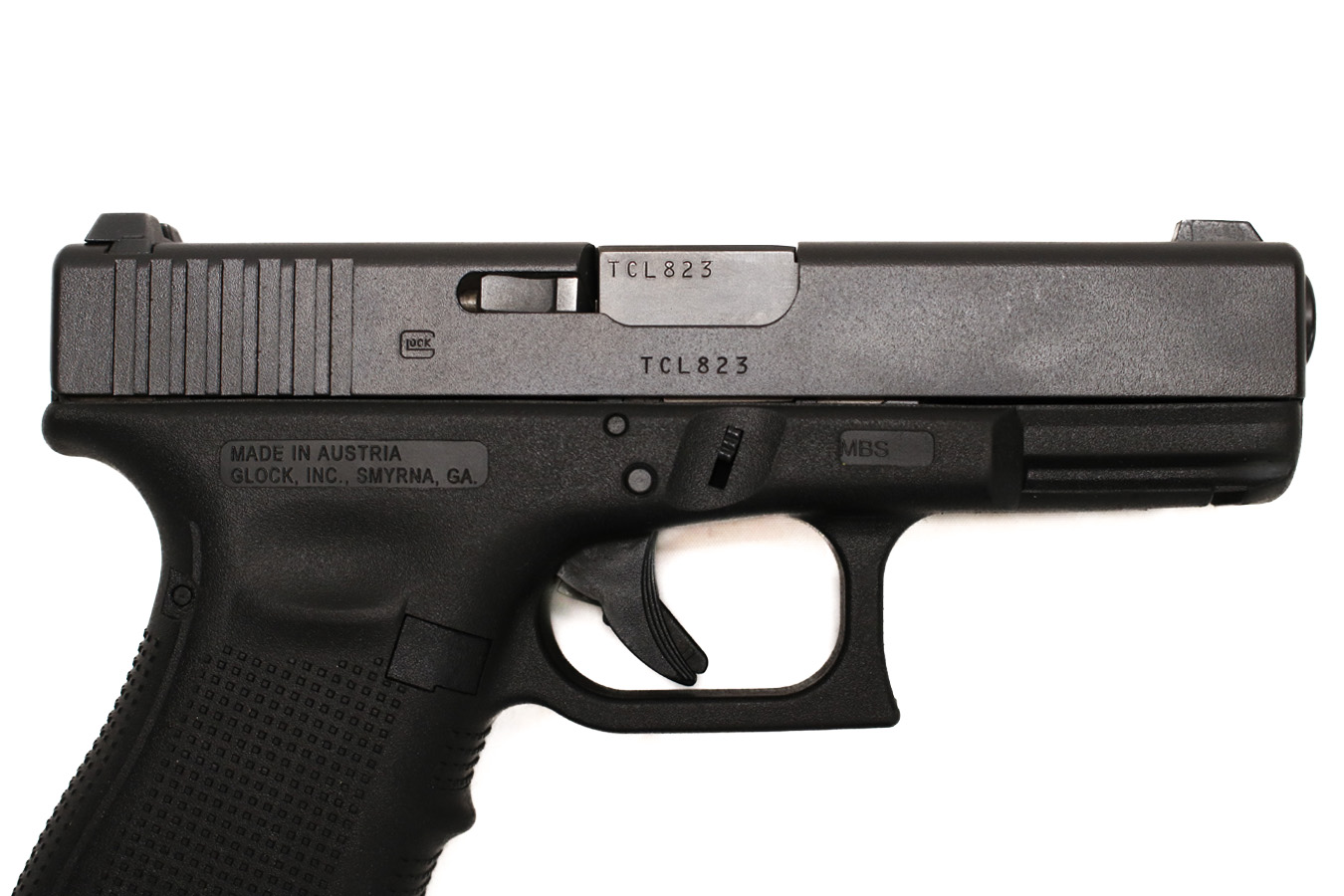
How Police Can Trade In Their Glock 19 for an Upgrade
When a department decides it’s time to refresh its sidearms, the Glock 19 often lands on the list. It’s reliable, easy to maintain, and fits a wide range of hand sizes. Yet, as newer models arrive or specialized needs evolve, many agencies look for a practical way to transition. A trade‑in program offers a middle ground—recoup some of the original investment while moving on to a firearm better suited for today’s challenges.
Why Departments Choose to Trade In
Budget constraints are a constant reality for most police forces. Swapping out every pistol at once isn’t feasible, so a staggered approach makes sense. Trade‑ins address several key concerns:
- Cost recovery: Manufacturers or authorized dealers often credit the resale value of the returned Glock 19 toward the purchase of a new weapon.
- Compliance: New state or agency regulations may mandate features like optics‑ready slides or enhanced safety mechanisms that older Glocks lack.
- Performance upgrades: Officers might need a longer barrel for better accuracy, a higher capacity magazine, or a model with a modular grip system.
Understanding the Trade‑In Process
Each program varies, but the typical steps look something like this:
- Assessment: The agency’s armory staff inspects each Glock 19 for wear, serial number integrity, and overall condition.
- Valuation: Based on factors such as age, barrel wear, and accessories, a fair market value is assigned.
- Documentation: A trade‑in agreement is signed, outlining the credit amount and any responsibilities for the returning unit.
- Return & Replacement: The old pistols are shipped back to the dealer or manufacturer, and the credit is applied to the new firearms order.
Some agencies partner directly with Glock’s official trade‑in program, which simplifies logistics. Others use third‑party dealers who specialize in law‑enforcement equipment and can handle bulk transactions.
Key Factors to Evaluate Before Making the Switch
1. Compatibility with Existing Gear
Even if you’re moving to a newer Glock, consider whether the new model works with current holsters, duty belts, and optics. Swapping to a pistol with a different slide length could mean buying new holsters—a cost that sometimes outweighs the trade‑in credit.
2. Training Requirements
Any change in trigger pull weight, slide mass, or grip angle demands fresh training. Departments often schedule a short refresher course to let officers get comfortable before the new sidearm becomes standard issue.
3. Longevity of the Replacement
Choosing a model that will stay relevant for the next decade helps avoid another trade‑in cycle too soon. Features like modular backstraps, interchangeable sights, and accessory rails are worth considering for future adaptability.
Popular Upgrade Paths from the Glock 19
While the Glock 19 remains a solid choice, several alternatives often attract police departments:
- Glock 19 Gen 5: Same compact size, but with a smoother slide, no finger grooves, and a flared magazine well for faster reloads.
- Glock 45: A crossover design marrying the Glock 19’s grip with the full‑size slide of the Glock 17, offering a longer sight radius.
- Glock 19X: Combines a full‑size slide with a compact grip, ideal for agencies that want both optics‑ready capability and a smaller profile for concealed carry.
- Competing brands: Some departments opt for the Sig P365 XL or Smith & Wesson M&P 9 Gen 5, which provide similar capacity with different ergonomics.
Financial Impact: A Rough Example
Imagine a mid‑size city police department with 150 officers, each currently issued a Glock 19 valued at $550. If the trade‑in program offers a 40 % credit, the department recoups $33,000. Those funds can cover the additional $150 per unit needed for a Gen 5 upgrade, effectively making the transition budget‑neutral.
Legal and Record‑Keeping Considerations
Every firearm that leaves an agency’s inventory must be documented. The trade‑in paperwork typically includes:
- Serial numbers of the returned Glock 19s.
- Condition reports signed by the armory chief.
- Proof of destruction or resale, depending on the dealer’s policy.
- Updates to the department’s asset management system.
Failure to maintain these records can lead to audit issues or complications if a returned pistol surfaces in a criminal investigation.
Tips for a Smooth Transition
- Start Early: Begin the trade‑in process at least six months before the intended rollout date.
- Engage Stakeholders: Involve union representatives, training officers, and the procurement team to anticipate concerns.
- Test the New Model: Arrange a limited pilot with a few volunteers to surface any practical issues before full adoption.
- Plan for Disposal: If the trade‑in credit doesn’t cover the entire cost, decide whether to sell the old Glocks on the secondary market or turn them over to a government surplus program.
Conclusion
Trading in a Glock 19 isn’t just a financial maneuver; it’s an opportunity to align a department’s sidearm inventory with evolving tactical needs, regulatory demands, and officer comfort. By understanding the valuation process, weighing upgrade options, and keeping thorough records, police agencies can make the switch with minimal disruption and, in many cases, without stretching the budget.