How Public CCTV Recording Shapes News Hunting Today
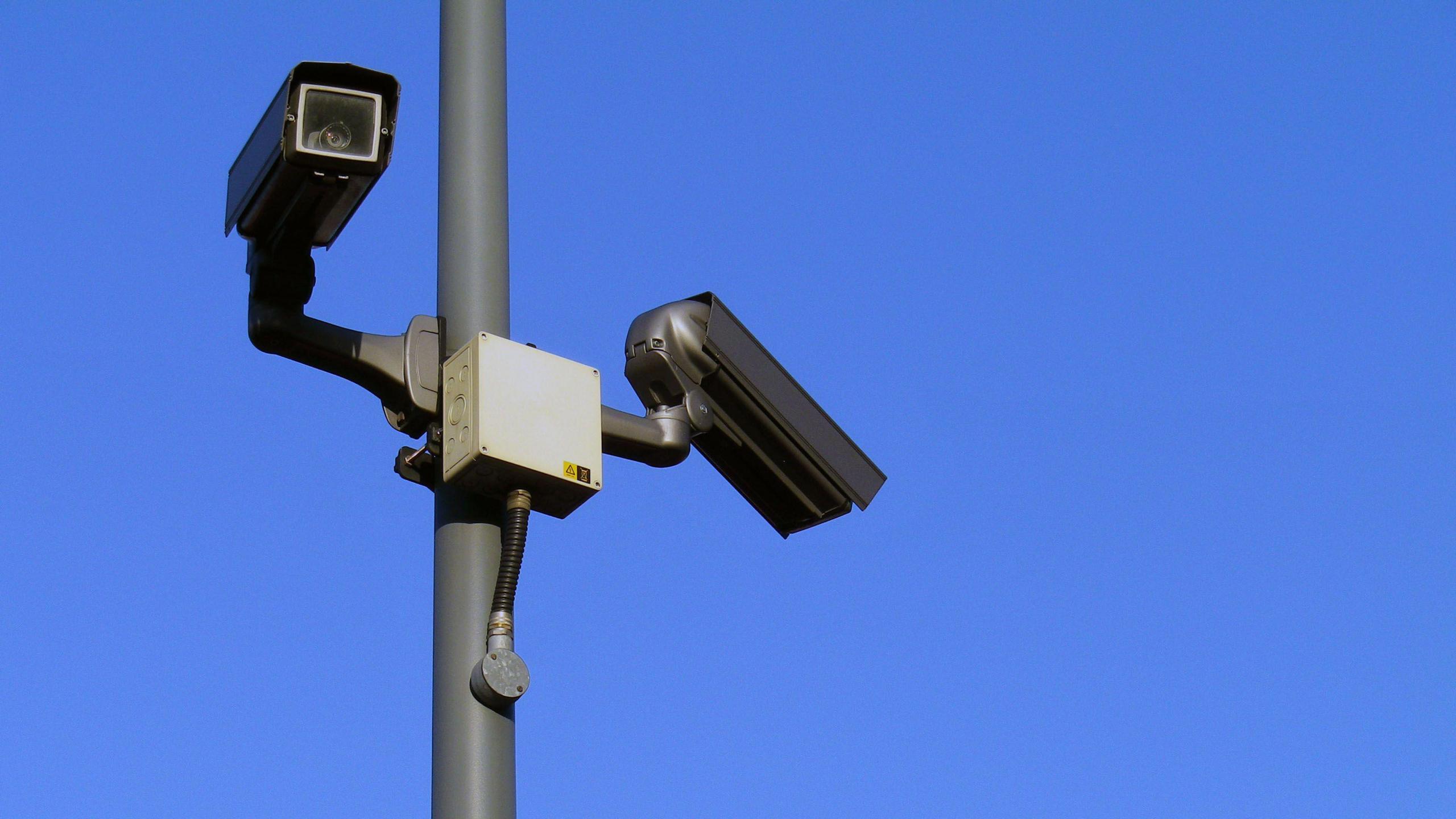
Imagine walking down a city street and suddenly realizing that the very lamp post you passed is silently capturing everything that happens. That footage might end up on a news outlet’s website by the time you finish your coffee. Public CCTV isn’t just a safety tool; it’s become a cornerstone of modern reporting, offering glimpses into events that would otherwise stay hidden.
Why Journalists Turn to Surveillance Footage
There’s a simple reason: visual proof moves audiences. When a story relies on eyewitness accounts alone, doubts can creep in. A clear video cut through speculation, providing an undeniable timeline that can be replayed, scrutinized, and shared.
But it’s not just about drama. Routine recordings capture patterns—traffic flow, crowd behavior, even the subtle ways a protest evolves. Reporters can mine that data to spot trends before they become headlines.
- Credibility Boost: Footage adds weight to statements.
- Speed: A recorded clip can be uploaded within minutes.
- Depth: Slow‑motion analysis reveals details the naked eye missed.
The Ethical Tightrope
While the appeal is clear, using public CCTV raises questions. Who gets to decide what’s “newsworthy”? And how do we protect individual privacy when a camera meant for safety becomes a source of public consumption?
Most newsrooms now follow a set of unwritten rules:
Consent and Context
Before a clip is aired, editors often check whether the individuals pictured have a reasonable expectation of privacy. A bustling market is fair game; a private apartment balcony, not so much.
Attribution and Transparency
Good practice includes noting the camera’s location, its ownership (municipal, private, or corporate), and any alterations made to the footage. Viewers deserve to know what they’re seeing isn’t selectively edited beyond the story’s needs.
Technical Hurdles That Surprise Reporters
Not every public camera produces broadcast‑ready video. Some feed in low resolution, others compress heavily to conserve bandwidth. Journalists often have to chase down the original files, sometimes negotiating with city departments or private owners.
And then there’s the matter of time stamps. Inconsistent formats can lead to confusion about when exactly an incident occurred. A mismatched clock can shift the whole narrative, especially in fast‑moving events like accidents or protests.
Case Studies: When Surveillance Turned the Tide
Consider the downtown fire two years ago. Initial reports blamed an electrical fault, but a nearby traffic camera caught a truck splashing oil onto a highway ramp just minutes before the blaze. The footage prompted investigators to revisit the cause, ultimately shifting liability to the transport company.
Or the late‑night street brawl that sparked a citywide conversation about policing. A series of municipal cameras recorded not just the clash, but the officers’ response minutes later, providing context that softened public outrage and led to a more nuanced dialogue.
How Newsrooms Integrate CCTV Into Their Workflow
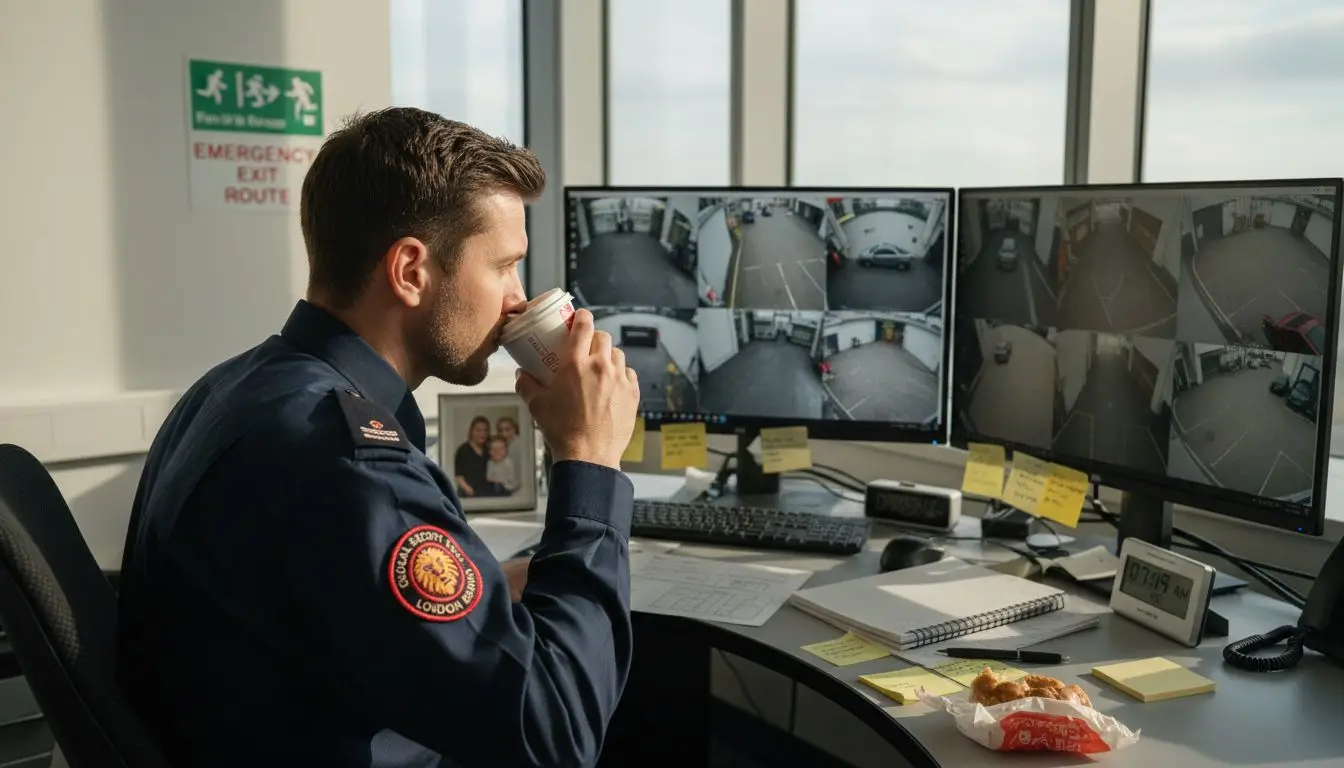
Most modern newsrooms have a dedicated “footage desk.” Here’s a quick snapshot of their daily routine:
- Monitor live streams from key city intersections.
- Maintain an archive of past recordings, tagged by location and date.
- Run basic forensic checks—frame‑by‑frame reviews, audio cleaning, and metadata verification.
The desk works hand‑in‑hand with reporters on the ground. When a story breaks, the footage team can pull relevant clips within minutes, allowing the reporter to craft a narrative that blends live interviews with visual evidence.
Future Trends: Smarter Cameras, Smarter Reporting
Artificial intelligence isn’t just for bots; it’s already being embedded into city surveillance systems. Smart cameras can flag unusual activity—like a sudden crowd gathering—sending alerts straight to newsroom dashboards.
In the near future, we might see:
- Real‑time facial blurring for privacy compliance.
- Automated captioning to make footage accessible.
- Geo‑tagged archives that let journalists pinpoint exact coordinates instantly.
These tools promise faster, more responsible reporting, but they also demand new skill sets—data literacy, a grasp of AI ethics, and the ability to interpret algorithmic alerts without over‑relying on them.
Balancing Public Interest and Personal Rights
At its core, the use of public CCTV in journalism is a negotiation between transparency and privacy. Communities benefit when misconduct is exposed, yet they also expect safeguards against voyeuristic exploitation.
Legislation varies widely. Some cities require a formal request before a news outlet can access municipal footage, while others operate under “open data” policies that make recordings freely available after a short embargo.
What’s clear is that responsible journalists treat each clip as a piece of evidence—handle it with care, verify its authenticity, and respect the people caught on camera.
Tips for Readers Who Spot Public CCTV in Their Neighborhood
If you notice a camera on a lamppost or storefront, here’s what you can do:
- Check local signage for information about who operates the system.
- Ask the municipality about data retention policies.
- If you feel a recording infringes on your privacy, raise the issue with the local council.
Being informed helps you understand how your everyday environment contributes to the larger story that journalists are trying to tell.
Public CCTV recording isn’t a gimmick; it’s a powerful, sometimes messy, instrument that reshapes how news is gathered and shared. As technology evolves, so will the standards that keep the balance between illuminating truth and protecting individual dignity.