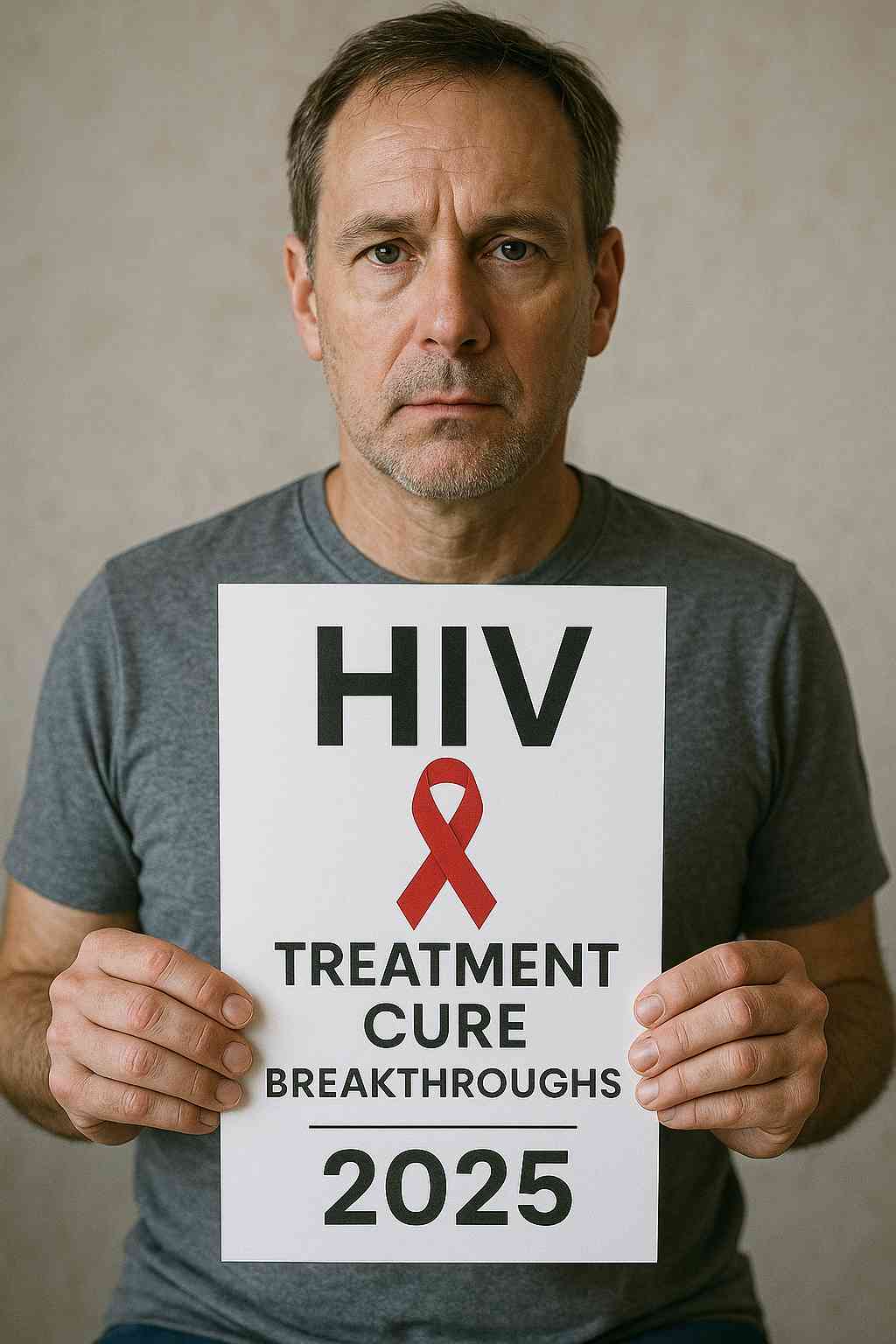
How Recent Advances Are Shaping the Search for an HIV Cure
When you hear “HIV cure,” the first image that often springs to mind is a miracle‑drug that wipes the virus clean in a single dose. The reality, however, is far more nuanced. Scientists have been inching closer to a functional or sterilising cure for years, and today several promising strategies are emerging from the lab and early‑stage trials.
Why the Cure Question Still Matters
Antiretroviral therapy (ART) has turned HIV from a death sentence into a manageable chronic condition, but lifelong medication carries its own burdens—side effects, stigma, and access gaps, especially in low‑resource settings. A cure would eliminate those concerns and could finally halt the global spread of the virus.
Two Main Paths: Functional vs. Sterilising Cure
Researchers usually distinguish between two goals:
- Functional cure: the virus stays hidden and harmless without continuous treatment.
- Sterilising cure: every trace of HIV is eradicated from the body.
Both are challenging, but recent breakthroughs suggest we may be closer to a functional cure than most people realise.
Gene‑Editing Tools Take Center Stage
CRISPR‑Cas9, zinc‑finger nucleases, and TALENs have all been repurposed to target the proviral DNA that HIV embeds in host cells. A handful of small‑scale studies reported that a single infusion of edited immune cells reduced viral reservoirs by up to 80 percent.
While safety remains a concern—off‑target edits could trigger unwanted mutations—new delivery vectors are dramatically improving precision.
What’s happening in clinical trials?
Phase I trials in the United States and Europe are now enrolling participants with well‑controlled HIV. The protocol typically involves extracting a patient’s T‑cells, editing them ex vivo, and reinfusing them after a short conditioning regimen. Early data show modest but measurable drops in viral load after treatment interruption.
Stem‑Cell Transplants: Lessons from the “Berlin Patient”
The story of Timothy Ray Brown, the only person cured to date, still fuels optimism. His transplant used donor cells lacking the CCR5 co‑receptor, effectively making the new immune system resistant to HIV. Replicating this approach without the high transplant‑related risks is the focus of several ongoing projects.
Researchers are now exploring gene‑modified stem cells that mimic the CCR5‑null effect but can be administered more safely than full‑body bone‑marrow transplants.
“Kick‑and‑Kill” Strategies: Reactivate, Then Destroy
Latency‑reversing agents (LRAs) aim to coax dormant HIV out of hiding, exposing it to the immune system or ART. Recent combinations of LRAs with therapeutic vaccines have shown a synergistic effect, nudging the virus out of latency while simultaneously training the body's defenders.
- HDAC inhibitors, once the front‑line LRAs, are now being paired with immune‑checkpoint blockers.
- Novel small molecules like pan‑HDAC inhibitors appear more potent, albeit with higher toxicity—still under investigation.
Therapeutic Vaccines: Teaching the Immune System New Tricks
Unlike preventive vaccines, therapeutic versions are designed for people already infected. Several candidates—DNA‑based, viral‑vector, and mRNA platforms—have entered Phase II trials. Early results hint at modest reductions in viral reservoirs and, in some cases, delayed viral rebound after ART interruption.
What Patients Can Expect in the Near Term
For most individuals living with HIV today, the realistic horizon is not an immediate cure but rather:
- Long‑acting injectable ART that reduces dosing frequency.
- Improved monitoring tools that detect low‑level viral activity.
- Potential enrollment in early‑phase cure trials for those who qualify.
Participation in a trial is a personal decision, often involving intensive screening and close follow‑up. It’s worth discussing with a healthcare provider who understands both the scientific promise and the practical risks.
Key Takeaways
- Gene‑editing and stem‑cell approaches are the most talked‑about avenues for a sterilising cure.
- Functional cure strategies—especially “kick‑and‑kill” combined with therapeutic vaccines—are showing measurable progress in early trials.
- Safety, scalability, and cost remain the biggest hurdles before any cure can move from the lab to the clinic.
In short, the quest for an HIV cure is no longer a distant fantasy. With several complementary strategies advancing simultaneously, the next few years could deliver the first real options that move beyond lifelong medication. For anyone tracking the science, staying informed about trial results and emerging therapies is the best way to gauge how close we truly are.