How Self‑Service Kiosks Streamline Supply Chain Services
In warehouses and distribution centers across the country, a quiet revolution is taking place. Instead of relying on paper forms, phone calls, or endless email threads, operators are turning to self‑service kiosks to handle routine tasks. The result? Faster check‑ins, fewer errors, and a supply chain that moves with the speed of a swipe.
Why Companies Are Turning to Kiosks
Traditional supply‑chain processes often involve multiple handoffs. A driver arrives, signs a logbook, waits for a dispatcher to confirm a dock, and finally loads the trailer. Each step creates a window for miscommunication. A self‑service kiosk cuts that window dramatically.
- Immediate data capture: Barcode scanners and RFID readers input information instantly, eliminating manual entry.
- 24/7 availability: The kiosk doesn’t need a break, so shipments can be processed around the clock.
- Reduced labor costs: Fewer clerical staff are needed to manage inbound and outbound paperwork.
Key Features That Make Kiosks Effective
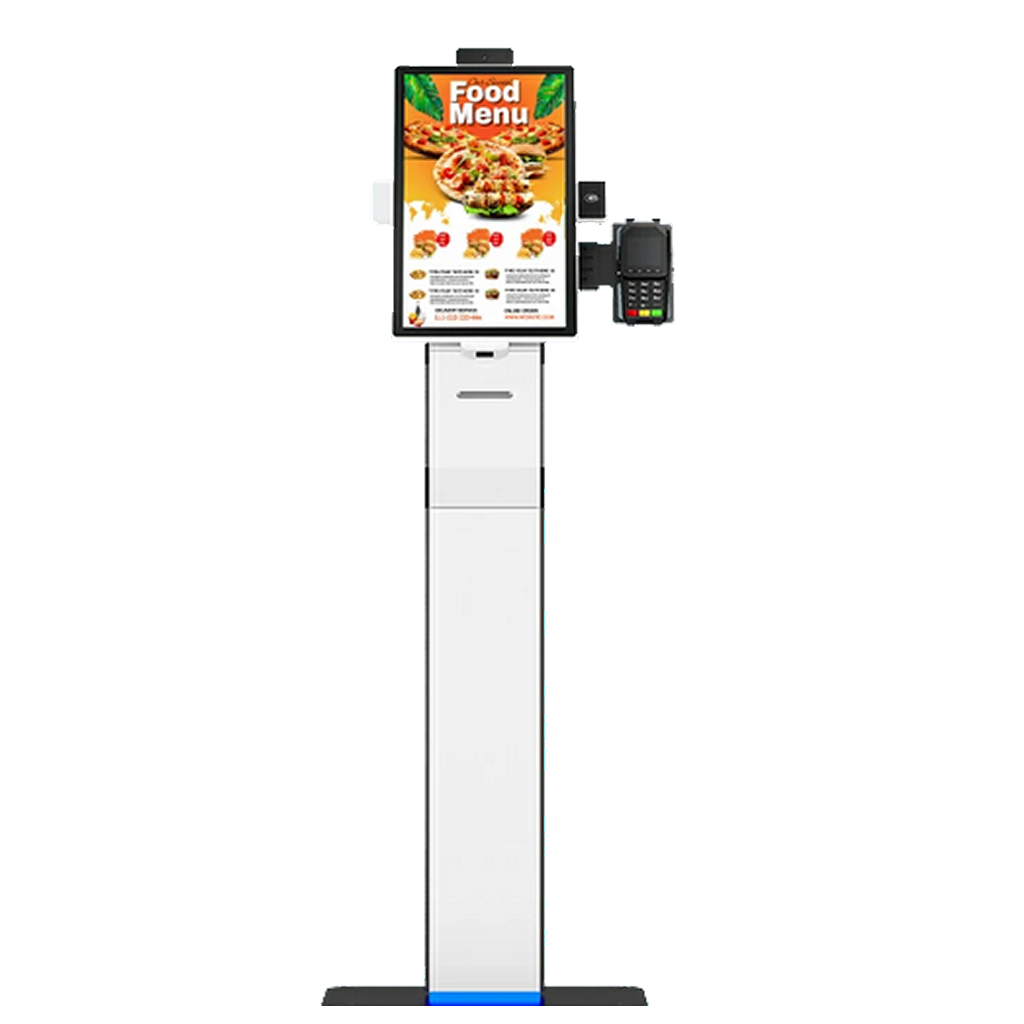
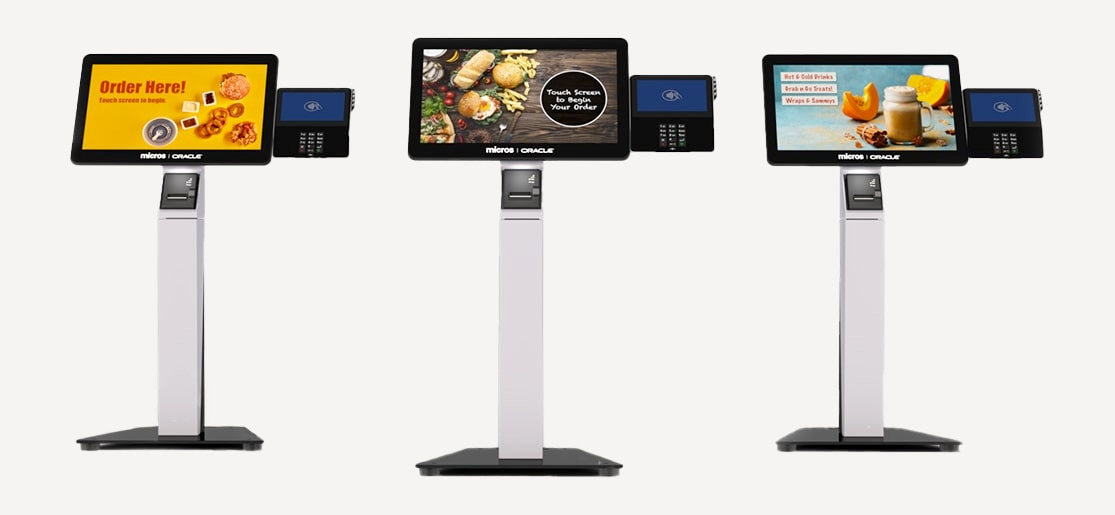
Touchscreen Interface Tailored to Logistics
The screens are not just generic tablets. They are rugged, glare‑protected displays that guide users through step‑by‑step workflows. Icons are big, labels clear, and the system often supports multiple languages—an essential factor for international freight hubs.
Integration With Existing ERP Systems
What makes a kiosk truly valuable is its ability to talk to the back‑end. Modern solutions push data directly to ERP or WMS platforms, updating inventory counts, carrier schedules, and invoicing modules in real time. This seamless sync means that once a driver confirms a pickup, the entire network sees the change instantly.
Security and Audit Trails
Every interaction is logged with a timestamp, user ID, and device ID. If a discrepancy pops up later, managers can trace exactly who entered what and when—crucial for compliance in regulated industries.
Real‑World Benefits Observed by Early Adopters
Companies that have piloted self‑service kiosks report tangible improvements. A mid‑size retailer in the Midwest saw a 22 % reduction in dock wait times within three months. Meanwhile, a logistics provider handling hazardous materials noted fewer documentation errors, which translated into smoother customs clearance.
- Average processing time dropped from 12 minutes to under 5 minutes per shipment.
- Inventory accuracy improved by 1.8 %—small on paper, massive when you consider the scale of annual moves.
- Customer satisfaction scores rose as carriers experienced fewer bottlenecks.
Implementing a Kiosk Solution: A Practical Guide
Jumping straight into a full‑scale rollout can be tempting, but a measured approach usually pays off.
- Assess Touchpoints: Identify the most repetitive, time‑consuming steps in your inbound/outbound flow.
- Select Hardware Wisely: Choose models rated for the environment—cold storage, dusty yards, or high‑traffic docks each have specific requirements.
- Map Software Workflows: Work with your ERP vendor to design simple, intuitive screens that mirror existing processes.
- Pilot and Iterate: Deploy a handful of kiosks, gather feedback from drivers and staff, then tweak the interface before scaling.
- Train, Then Trust: A short hands‑on session usually suffices; the goal is to make the system feel like a natural extension of the job.
Potential Pitfalls and How to Avoid Them
Even the best technology can stumble if expectations are misaligned. Common issues include:
- Over‑complicating the UI: If a screen asks for ten data points that aren’t essential, users will revert to old habits.
- Neglecting Connectivity: Kiosks need reliable network access; a backup LTE link can prevent downtime.
- Underestimating Maintenance: Dust filters, screen protectors, and periodic software updates keep the hardware humming.
Addressing these concerns early keeps the project on track and preserves the goodwill generated by faster service.
Future Trends: What’s Next for Self‑Service in Supply Chains?
As artificial intelligence and edge computing become more affordable, kiosks are evolving beyond simple data entry. Imagine a terminal that recognizes a driver’s license plate, predicts the optimal dock based on current traffic, and even suggests the most efficient loading pattern—all before the driver steps inside.
Another exciting development is the integration of contactless payment and digital signatures, turning a kiosk into a one‑stop hub for freight invoicing, customs documentation, and compliance checks.
Bottom Line
Self‑service kiosks are more than a convenience; they are a strategic tool for shaving minutes off each shipment, tightening data accuracy, and freeing staff to focus on higher‑value activities. When paired with a robust supply‑chain platform, the kiosks become a catalyst for a smoother, more transparent flow of goods.