How Steven Spielberg Shaped Cinema: A Life & Film Journey
From a backyard with a Super 8 camera to the grandest stages of Hollywood, Steven Spielberg’s story reads like a master class in both daring imagination and relentless hard work. He didn’t just make movies; he rewrote the rules of storytelling, technology, and audience expectation.
Early Sparks and the Road to Hollywood
Born in Cincinnati, Ohio, in 1946, Spielberg’s fascination with moving pictures began early. At eight, he built a crude projector from a shoe box, a pastime that foreshadowed a lifelong quest to capture wonder on screen.
His teenage years were spent tearing through the local library for film manuals and experimenting with a 16‑mm camera. Those experiments caught the eye of a camp director, who invited him to film a summer‑camp documentary. The result? A modest but impressive reel that landed Spielberg an apprenticeship at Universal Studios when he was just 17.
Breakthrough: Jaws and the Birth of the Summer Blockbuster
By 1975, Spielberg had directed a handful of television movies, but nothing compared to the impact of Jaws. The shark‑hunting thriller not only terrified audiences but also introduced the concept of the “event movie”—a film that people marked on their calendars months in advance.
- Innovative use of mechanized props created a palpable sense of danger.
- A relentless, pulsing score by John Williams turned suspense into a visceral heartbeat.
- The marketing push—teaser trailers, wide releases, and massive TV spots—set a template that still dominates the industry.
The success of Jaws proved that a director could command both artistic vision and box‑office clout, a balance Spielberg would refine for decades.
Exploring Genres: From Close Encounters to Schindler’s List
One of Spielberg’s most striking traits is his willingness to leap across genres while preserving his signature humanistic touch.
Science‑Fiction Wonders
In 1977, Close Encounters of the Third Kind took the alien‑contact narrative beyond fear, turning it into a story about curiosity and communion. The film’s iconic five‑note motif invited audiences to feel the same awe Spielberg felt as a kid staring at the night sky.
Two decades later, Minority Report blended sleek futurism with a moral dilemma about pre‑emptive justice, showcasing Spielberg’s knack for pairing cutting‑edge visual effects with ethical questions.
Historical Epics
When he turned his lens to the Holocaust in Schindler’s List (1993), the result was a stark, black‑and‑white portrait of humanity’s darkest chapter. Spielberg’s hands‑on research—interviewing survivors, visiting the actual sites—infused the film with a brutal authenticity that earned him both critical acclaim and a deep personal reckoning.
Similarly, Saving Private Ryan redefined war cinema. The opening D‑Day sequence, shot with handheld cameras and desaturated colors, thrust viewers into the chaos of battle, a technique that still influences war films today.
Technological Trailblazing
Beyond narrative, Spielberg has been a pioneer of film technology.
- Motion Control: For Jurassic Park, he collaborated with Industrial Light & Magic to develop groundbreaking CGI dinosaurs, merging animatronics with digital rendering.
- Digital 3D: Ready Player One embraced immersive 3D, pushing the boundaries of virtual‑reality storytelling.
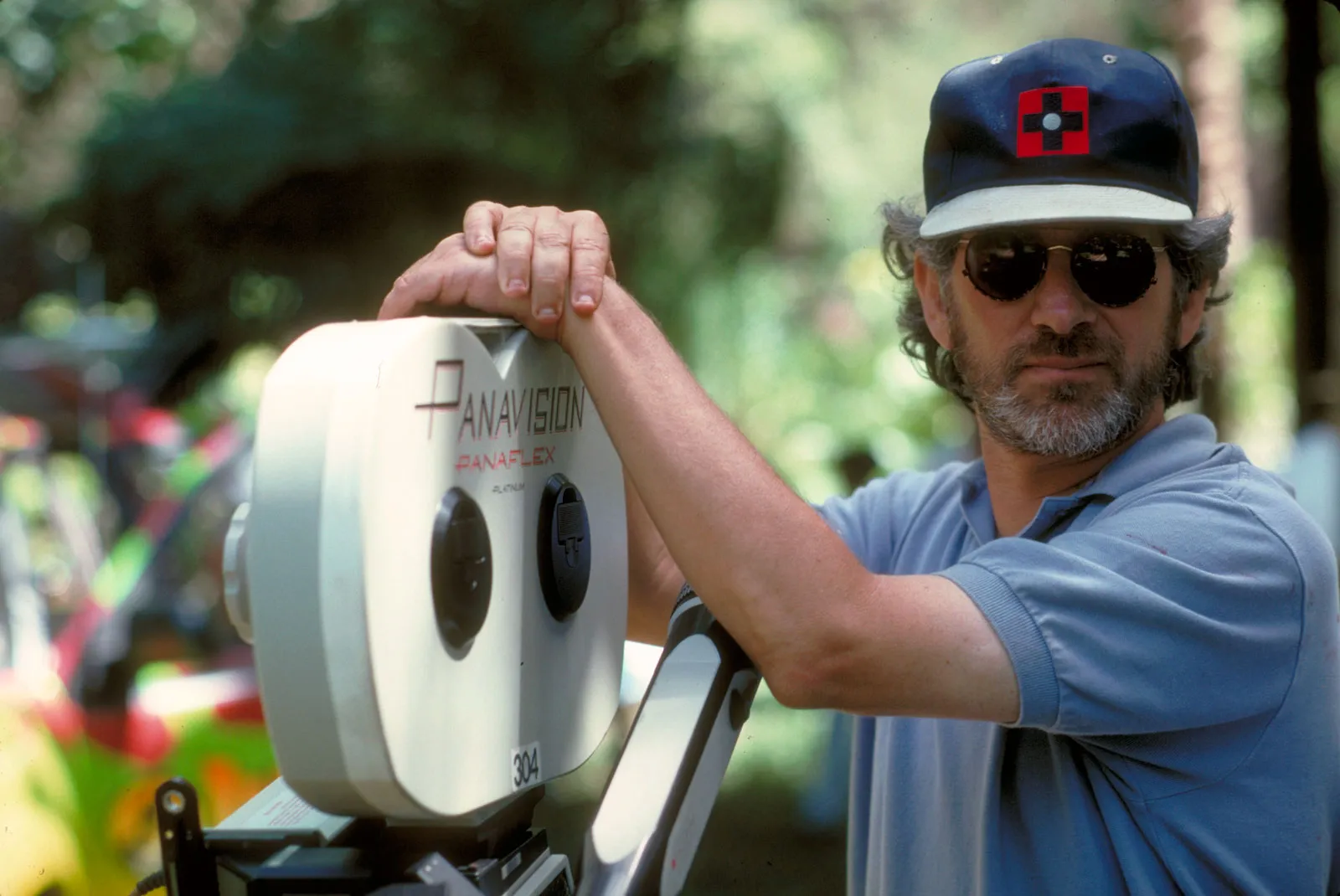
- Virtual Production: Recent projects like West Side Story (2021) used LED volume stages, allowing dynamic backgrounds without traditional green screens.
These innovations weren’t just flashy tricks; they served the story, letting audiences experience worlds that felt both spectacular and intimate.
Collaboration and Mentorship
Spielberg’s career is peppered with recurring partnerships that reveal his collaborative spirit.
- John Williams—the composer whose soaring scores have become inseparable from Spielberg’s visuals.
- Tom Wilkinson—the editor whose rhythm helped shape the pacing of films like E.T. and Schindler’s List.
- George Lucas—the fellow visionary who co‑produced several early hits, including Indiana Jones.
Beyond established colleagues, Spielberg has championed emerging talent, often giving young directors a chance to helm smaller projects under his banner, DreamWorks Pictures.
Legacy: Influence on Modern Filmmaking
It’s hard to imagine a world where a child’s first encounter with cinema isn’t filtered through Spielberg’s lens. Directors ranging from Christopher Nolan to J.J. Abrams cite his narrative clarity and visual daring as foundational.
Even streaming platforms feel his impact. Series like Stranger Things borrow his blend of youthful wonder and suspense, while the rise of “event television” mirrors the blockbuster strategy he pioneered.
Personal Reflections and Ongoing Projects
Though he’s amassed dozens of Oscars and honors, Spielberg remains candid about his own imperfections. In recent interviews he’s spoken about the difficulty of balancing massive productions with personal storytelling, acknowledging that some of his later works feel “a little heavier on the spectacle than on the soul.”
As of 2024, Spielberg’s slate includes a documentary series on the evolution of visual effects and a return to family adventure with a new Indiana Jones prequel. Whether he’s revisiting familiar terrain or charting fresh territory, his curiosity shows no sign of waning.

![Steven Spielberg Turns 65: Relive the Legend’s Life [PHOTOS] | IBTimes UK](https://d.ibtimes.co.uk/en/full/206670/steven-spielberg-doing-walk-life-we-mean-fame.jpg)

