How Summer Camp Boosts Fun, Growth, and Learning for Kids
When the school year winds down, many parents start hunting for something that feels both exciting and worthwhile for their children. Summer camp often lands at the top of that list—not just because it promises sunshine and games, but because it quietly shapes confidence, curiosity, and a host of life‑skills. Below we’ll explore why camp feels like the perfect blend of adventure and personal development, and share a few practical tips for choosing the right experience.
The Real Value Behind the Campfire
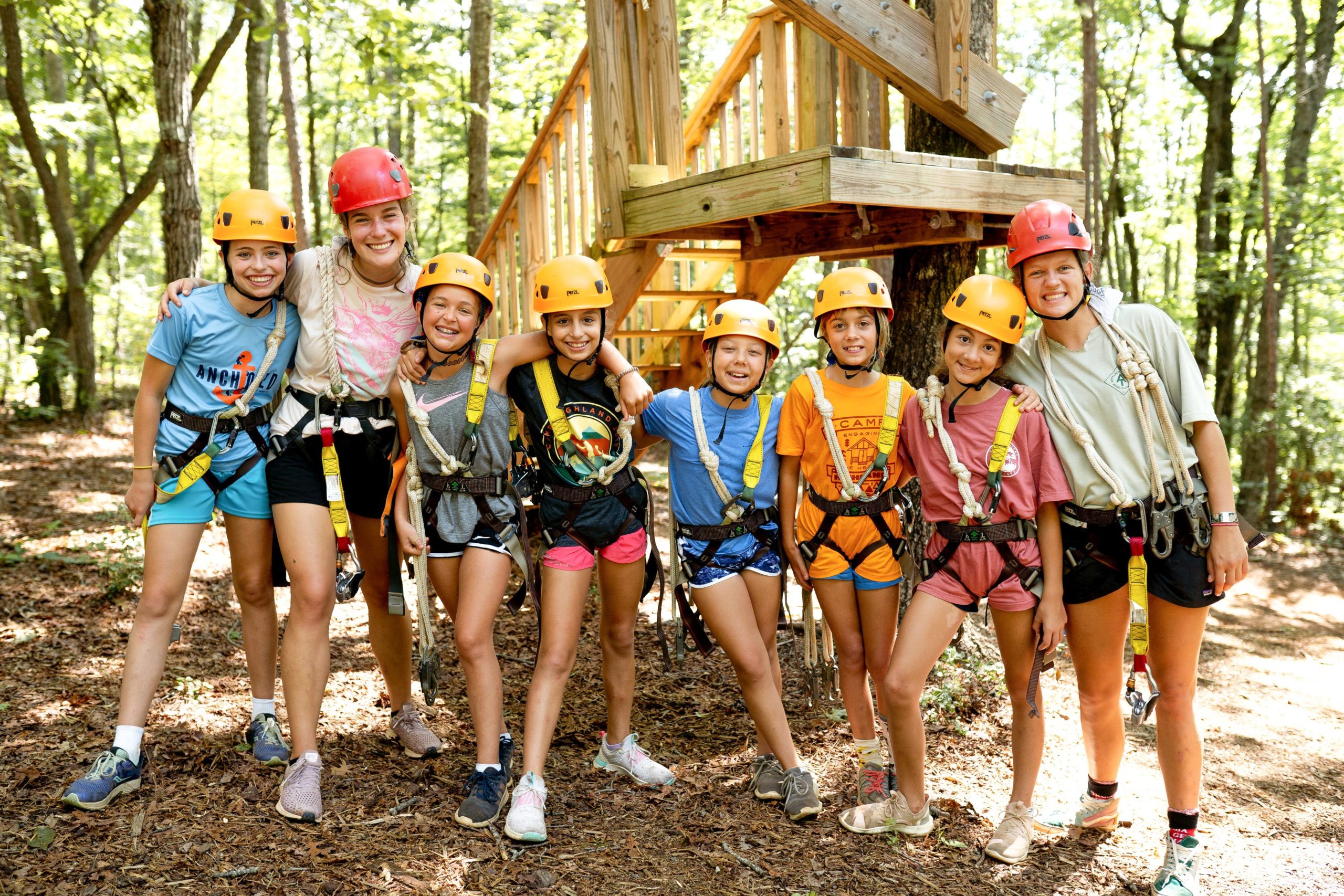
It’s easy to picture a summer camp as a nonstop playground, yet the impact runs far deeper than pure recreation. Kids step out of their usual routines, encounter new environments, and learn to navigate them with minimal adult supervision. That shift creates a fertile ground for growth in three main areas.
1. Social Skills in Action
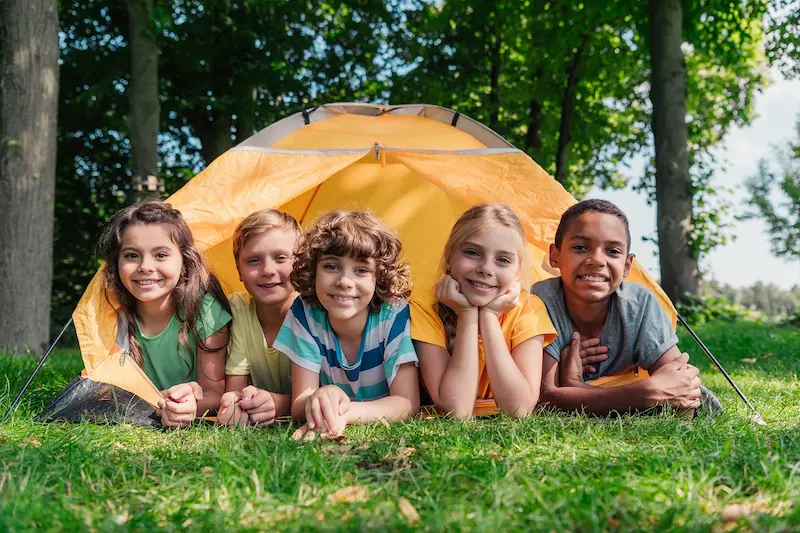
From sharing bunk beds to collaborating on a team sport, children practice communication, empathy, and teamwork daily. Those moments—whether a brief handshake after a game or a heartfelt apology after a misunderstanding—become the building blocks of strong interpersonal abilities.
- Friendship formation: Shared adventures often spark lifelong bonds.
- Conflict resolution: Kids learn to voice concerns and negotiate compromises.
- Leadership chances: Group projects let even shy participants step into guiding roles.
2. Emotional Resilience
Being away from home, even for a few weeks, can feel unsettling at first. That initial discomfort is actually a rehearsal for handling change later in life. As children adapt, they develop confidence in their ability to manage emotions and bounce back from setbacks.
- Facing a new schedule teaches patience.
- Overcoming minor setbacks—like a missed fishing catch—boosts perseverance.
- Seeing peers succeed encourages a growth mindset.
3. Physical Exploration
Outdoor activities aren’t just about burning off energy; they nurture coordination, stamina, and a genuine love for nature. Whether it’s learning to paddle a canoe or mastering a hiking trail, each experience expands a child’s sense of what their body can achieve.
- Regular movement improves focus in academic settings.
- Exposure to varied terrain enhances balance and coordination.
- Nature immersion often sparks curiosity about science and conservation.
Choosing the Right Camp: A Quick Checklist
No two camps are identical, and the “best” option depends on a child’s personality, interests, and the family’s logistical considerations. Keep these factors in mind as you start researching.
- Theme alignment: Arts‑focused camps suit creative kids; adventure camps thrill the active ones.
- Age‑appropriate programming: Look for sessions tailored to your child’s developmental stage.
- Staff credentials: Certified counselors and low staff‑to‑camper ratios signal a safer environment.
- Location and travel: Proximity matters if frequent drop‑offs are needed, but a farther destination can add excitement.
- Cost structure: Transparent fees and scholarship options help avoid hidden expenses.
Making the Most of Camp Days
Even the best‑designed program can fall short if kids aren’t prepared to engage fully. A few simple habits can enhance the overall experience.
Pre‑Camp Preparation
Start with a casual conversation about expectations. Ask open‑ended questions like, “What are you most curious about?” or “Which activities sound the most fun?” This not only eases anxiety but also gives camp staff insight into how to tailor support.
During Camp: Encouraging Independence
Allow children to make small decisions—choosing a snack, packing a backpack, or deciding which hobby class to attend. Those choices reinforce autonomy without overwhelming them.
Post‑Camp Reflection
When the weeks are over, set aside time for a relaxed debrief. Prompt with prompts such as:
- What was the most surprising thing you learned?
- Which new friend would you like to keep in touch with?
- How did you handle a challenge you faced?
These reflections help cement lessons and give you a clearer picture of the camp’s lasting impact.
Beyond the Summer: Long‑Term Benefits
Research consistently shows that kids who attend quality camps tend to demonstrate higher academic motivation, better social integration, and increased self‑esteem in the years that follow. The reason? Camp experiences often act as a catalyst, encouraging children to apply newfound skills back at school and home.
For example, a child who discovered a love for storytelling during a drama session may start participating more actively in classroom discussions. Similarly, a camper who learned basic first‑aid techniques may feel more responsible when helping peers, reinforcing a sense of agency.
Final Thoughts
Choosing a summer camp isn’t just about filling a calendar; it’s about offering a micro‑world where fun and growth coexist organically. By understanding the subtle ways camp nurtures social, emotional, and physical development—and by selecting a program that aligns with a child’s interests—you set the stage for a memorable season that resonates long after the final bonfire fades.