How Tactical Fouls Shape Modern Football Strategy
When you watch a tightly contested match, you might notice a player sliding in just a fraction of a meter off the ball, only to be whistled for a foul. It isn’t always about reckless aggression; often it’s a calculated move designed to disrupt the opponent’s rhythm. These are the tactical fouls that have become a subtle, yet powerful, tool in a coach’s arsenal.
What Makes a Foul “Tactical”?
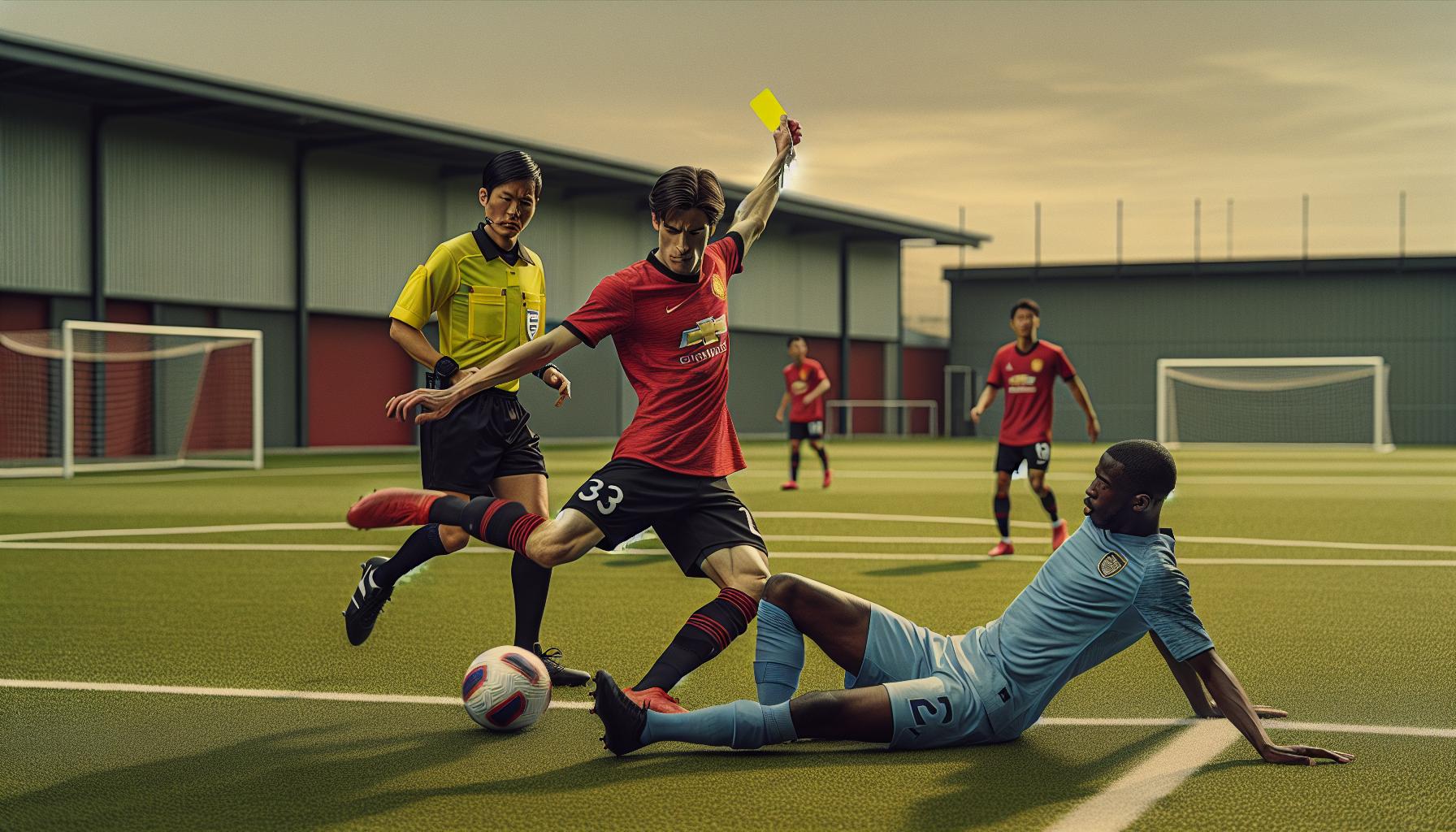
A tactical foul is deliberately committed to gain a strategic advantage rather than out of sheer frustration. The key elements are intent and timing:
- Intent: The player aims to stop a promising attack, break a counter‑break, or prevent a dangerous pass.
- Timing: It usually occurs in the final third, just before a through ball or a one‑on‑one situation.
Because the primary purpose is strategic, the foul is often just enough to earn a yellow card, preserving the player’s availability while still halting momentum.
Why Coaches Allow It
In the modern game, possession is king, but a single turnover can swing the entire match. Coaches weigh the cost of a yellow card against the risk of conceding a goal. If a defender can deny a striker a clear‑cut chance by pulling him down, the trade‑off can feel justified—especially when the team is defending a slim lead.
Moreover, repetitive tactical fouling can force the referee into a rhythm of caution. After a few warnings, officials may be more hesitant to pull a player out for a second bookable offence, inadvertently giving the defending side a buffer.
Common Scenarios
1. Stopping a Counter‑Attack
Imagine a swift transition: the ball just left the midfield, and a winger bursts down the flank. A centre‑back may slide in, making minimal contact, simply to stop the forward’s momentum. The result? A stoppage, a chance to regroup, and often a free‑kick that is less threatening than a fast break.
2. Breaking Up a Through Ball
When a midfielder threads a pass between the defensive line, a full‑back might pull the attacker out of the path. Even a brief trip can force the ball carrier to adjust, giving the defense precious seconds to close the gap.
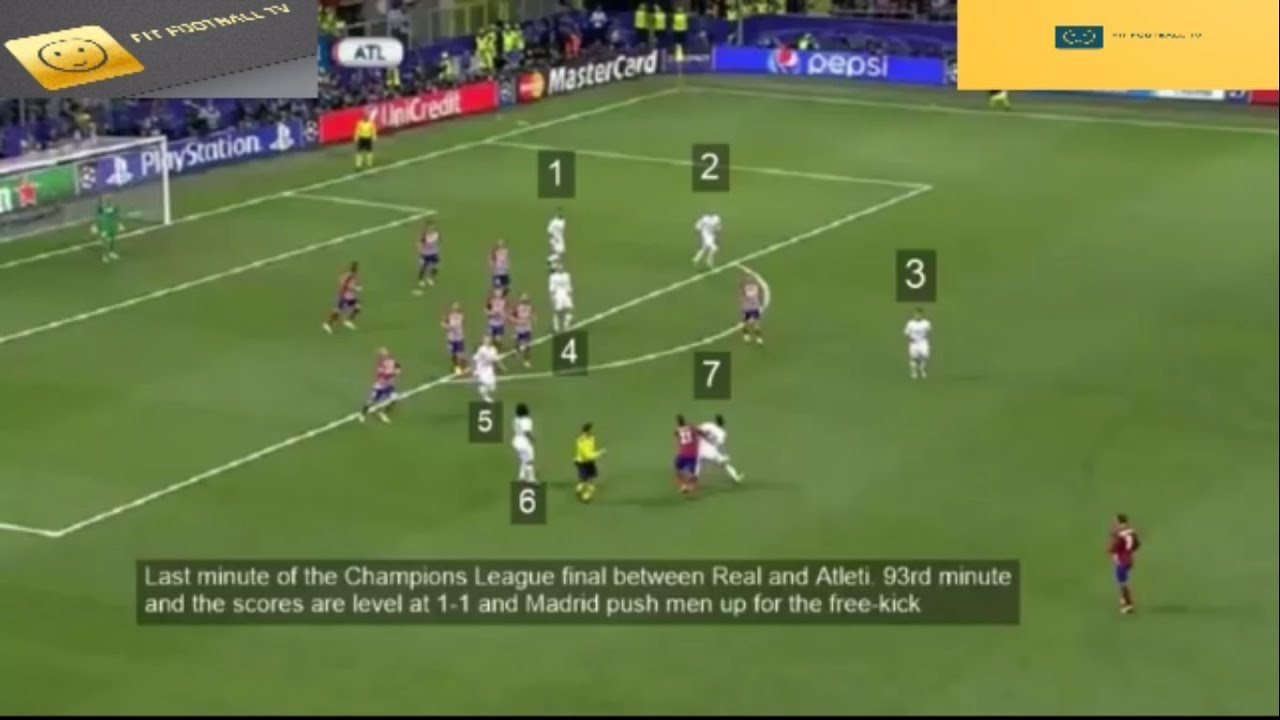
3. Managing Set‑Piece Danger
Before a dangerous corner, a defender might nudge the opponent’s shooter just before the ball is delivered. It’s a subtle cheat: the referee may choose a less severe sanction, keeping the defender on the pitch for the critical moments.
Risks and Consequences
While tactical fouls can be useful, they’re a double‑edged sword. A mistimed challenge can lead to a red card, leaving the team a player short when they need balance the most. Additionally, repeated fouling can earn a team a reputation for unsportsmanlike behaviour, influencing referee bias in future encounters.
From a financial perspective, clubs sometimes face fines for persistent unsporting conduct, especially if the league imposes disciplinary point systems. So the decision isn’t just about the 90 minutes on the pitch; it can affect the club’s bottom line.
How Referees Interpret Tactical Fouls
Modern officiating has become more nuanced. Video assistant referees (VAR) and dedicated referee training mean that blatant tactical fouls are more likely to be caught. However, the line between a genuine mis‑step and a calculated pull remains blurry.
Key factors officials consider:
- The force of the contact.
- The position on the field.
- Whether the fouled player was in clear goal‑scoring position.
- The player’s disciplinary record.
If the referee deems the tackle “unnecessary” or “excessive,” a yellow or even a red card can follow, regardless of the tactical intent.
Player Perspectives
Veteran defenders often speak about the “art of the foul.” For them, it’s a calculated risk, a moment where they balance personal discipline with team needs. Younger players, however, sometimes lack the composure, leading to reckless challenges that cost their side dearly.
In interviews, many former internationals admit they’d rather take a booking than see a goal conceded. “It’s a sacrifice,” one retired centre‑back explained, “but you have to weigh it against the damage a goal can cause at this level.”
Balancing Aggression and Fair Play
Ultimately, the use of tactical fouls hinges on a team’s philosophy. Some managers, like those who favour high‑pressing, emphasize aggressive, disciplined defending and rarely resort to fouling. Others, especially when protecting a narrow lead, might adopt a more pragmatic stance.
Finding the sweet spot means training players to recognize when a tactical foul is genuinely the lesser evil and when it could backfire. Drills that simulate counter‑attack scenarios, combined with video analysis of past matches, help players develop that instinct.
Conclusion
Tactical fouls are more than mere infractions; they’re a micro‑strategy woven into the larger tapestry of modern football. When executed wisely, they can halt a dangerous move, protect a lead, and buy a team valuable seconds to reorganize. Yet the razor‑thin margin between cleverness and recklessness means coaches, players, and referees must constantly negotiate the boundaries of fairness and effectiveness.