How the Hudson’s Bay Company Shaped Canada’s Trade and Tied to the Dutch
When you hear “Hudson’s Bay Company,” the image that often pops up is a fur‑laden canoe gliding across a frozen river, trappers in woolen coats, and a red stripe flag snapping in the northern wind. Yet the story behind the world’s oldest continuously operating corporation is far more tangled—especially when you follow the threads that lead back to Dutch merchants, mercantile charters, and 17th‑century geopolitical chess.
The Birth of a Monopoly (1670‑1680)
The English crown granted a royal charter in 1670 to a group of London investors, giving them exclusive rights to trade “the whole of the lands adjoining Hudson’s Bay.” The charter was a bold statement: a legal monopoly covering an area the English barely understood.
What made the venture viable was not just royal backing but a financial model borrowed from the Dutch East India Company (VOC). Like the VOC, the Hudson’s Bay Company (HBC) was structured as a joint‑stock corporation, allowing hundreds of investors to share risk and reward. This Dutch‑inspired setup meant HBC could raise enough capital to outfit ships, build forts, and hire experienced traders.
Dutch Mercantile Influence
By the mid‑1600s the Dutch Republic dominated global trade through sophisticated accounting, flexible charter law, and a network of warehouses known as “factorijen.” English merchants, eager to replicate that success, imported Dutch practices wholesale. The very term “company” (as in “chartered company”) was a Dutch import, and the idea of issuing tradable shares was still relatively novel in England.
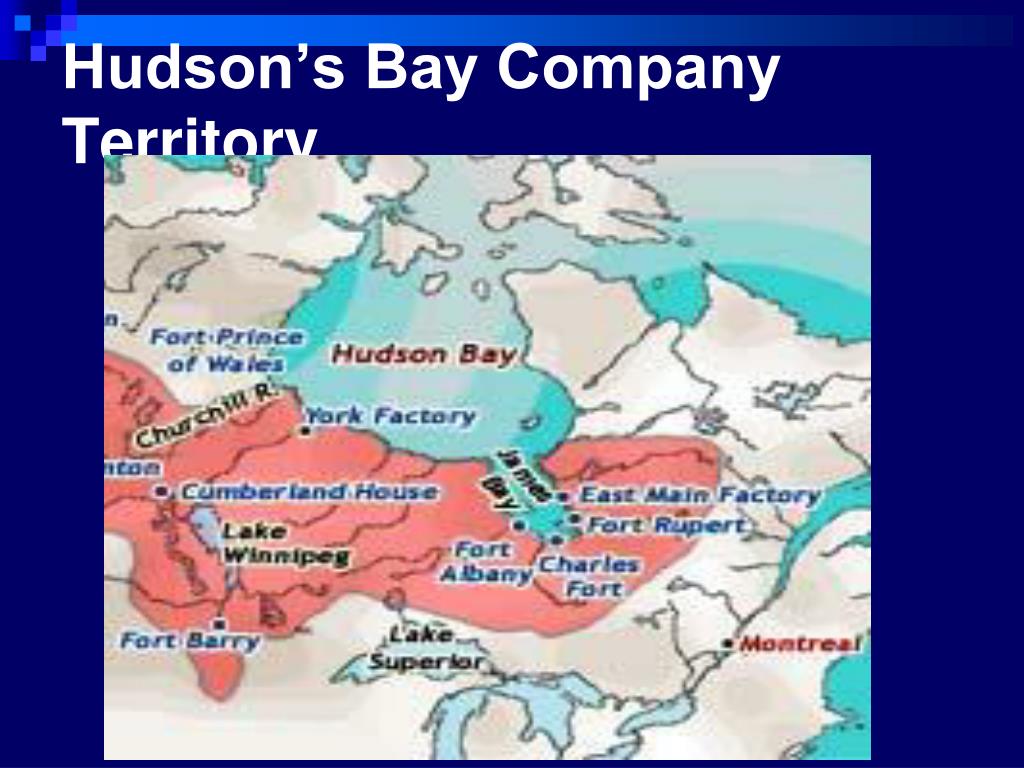
Even the design of HBC’s early forts reflected Dutch architectural pragmatism. Fort Rupert, erected on the Churchill River in 1679, featured a compact, rectangular layout with thick timber walls—an approach that mirrored the defensible trading posts the VOC built along the Indonesian archipelago.
The First Fur Trade Boom
Once the ships arrived, the real work began: establishing relationships with Indigenous peoples who controlled the flow of beaver pelts. HBC’s early success hinged on a simple premise—set up a depot, wait for the trappers to bring furs to you, and then ship them to Europe. This “static” model contrasted sharply with the “voyageur” system later popularized by French traders, who roamed deep into the interior.
During the 1680s, HBC’s annual revenues jumped from a modest few thousand pounds to over £30,000, a staggering figure for a fledgling enterprise. The Dutch model of reinvesting profits into larger fleets and better storage facilities played a crucial role in scaling up operations.
Rivalries and Realignments
Not everyone was happy about an English monopoly in the north. The French, backed by their own fur‑trading networks, launched a series of incursions, most famously the capture of York Factory in 1694. The conflict sparked a decades‑long rivalry where forts changed hands like chess pieces.
Amidst this tug‑of‑war, the Dutch remained a quiet back‑room player. Dutch merchants, who had long traded with Indigenous groups along the Atlantic seaboard, occasionally acted as intermediaries, supplying HBC with credit and shipbuilding expertise. Their involvement was less about empire and more about profit—a hallmark of Dutch capitalism.
The 18th‑Century Pivot
By the early 1700s the fur market began to shift. Beaver hats fell out of fashion in Europe, and competition from Russian traders entering the Pacific Northwest intensified. HBC responded by diversifying—opening inland posts, partnering with Métis traders, and even dabbling in pemmican production.
During this period the company also absorbed lessons from the Dutch decline. The VOC’s downfall highlighted the dangers of over‑extension and rigid monopoly clauses. HBC softened its own charter restrictions, allowing more flexible trade routes and granting limited licenses to independent traders, a subtle nod to Dutch adaptability.
Legacy of the Dutch Connection
- Corporate Structure: The joint‑stock model, now taken for granted, traces its lineage to Dutch practice.
- Accounting Rigor: Early HBC ledgers mirror the meticulous record‑keeping that made the VOC a financial powerhouse.
- International Networks: Dutch maritime expertise helped HBC navigate Arctic ice and secure reliable trans‑Atlantic shipments.
These elements aren’t just historical footnotes; they set a template for modern multinational corporations. The blending of English royal authority with Dutch mercantile savvy created a hybrid that could survive wars, economic swings, and changing fashions.
From Fur to Retail
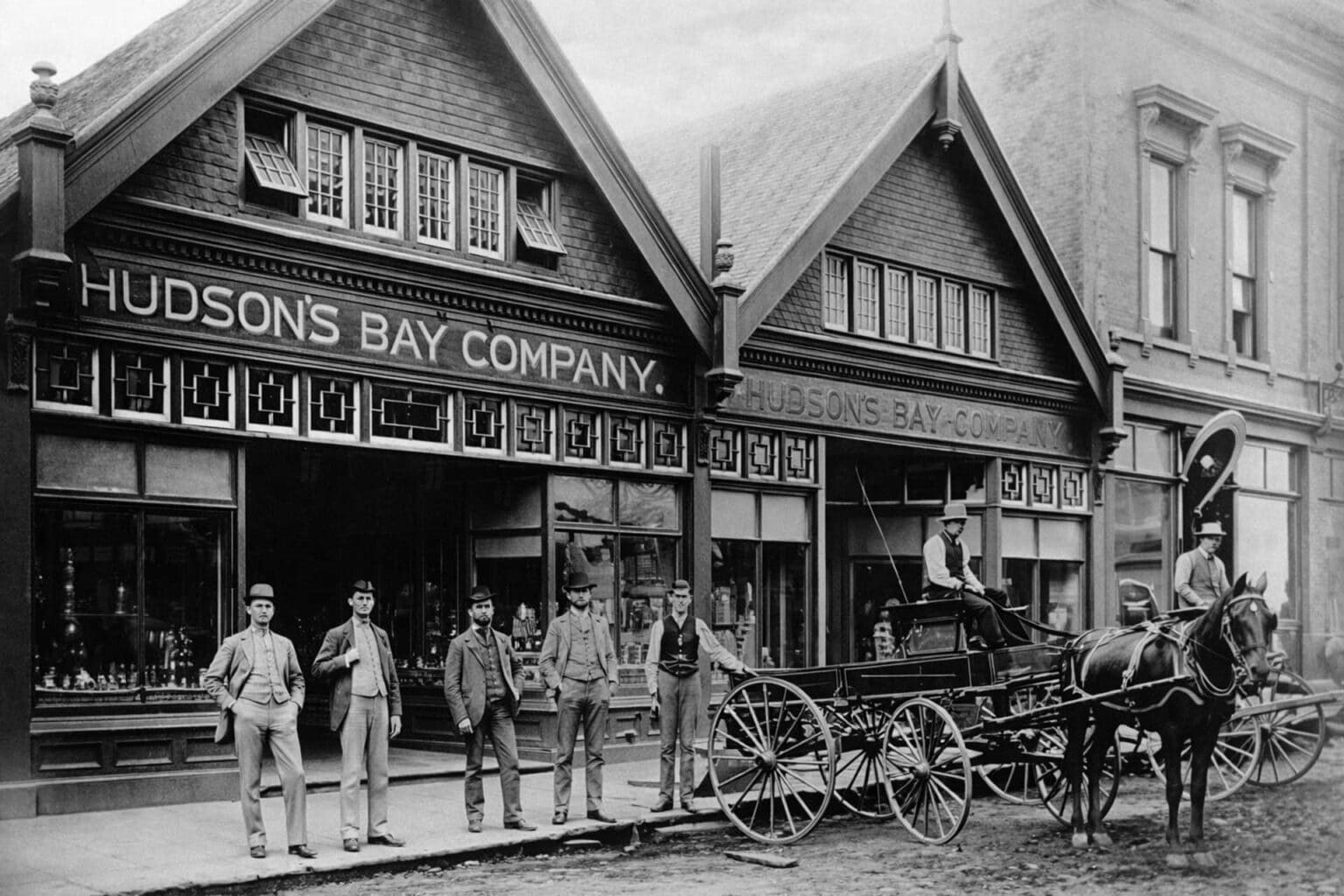
The 19th century saw HBC morph from a fur‑trading monopoly into a retail empire. The iconic department stores that sprouted across Canada in the early 1900s owed their capital to centuries of profitable trade, a capital base originally bolstered by Dutch‑style financing.
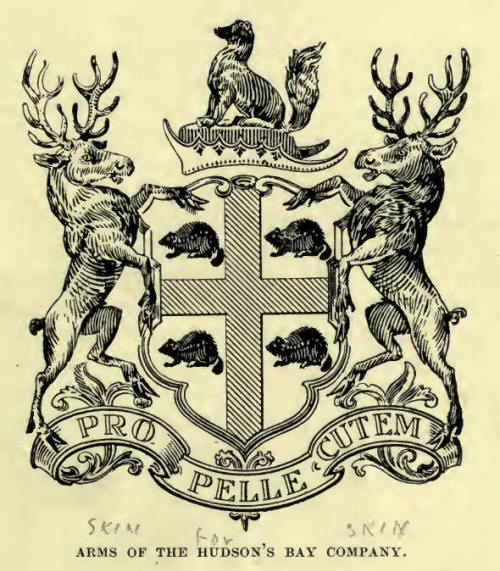
Even today, the company's logo—a stylized “HB” in a red square—echoes the simple yet enduring branding tactics of the VOC, whose own trade flag flew over ships from Batavia to Amsterdam for a hundred years.
Why the Dutch Matter in the Narrative
Most popular histories gloss over the Dutch influence, focusing instead on the drama of colonial rivalry. Yet without the Dutch blueprint, HBC might never have risen from a modest charter to a global brand. The Netherlands taught the English how to turn a royal grant into a lasting commercial institution, and that lesson reverberates every time a modern retailer expands into new markets.
So the next time you walk past a Hudson’s Bay store, remember: behind the polished wood and brass fittings lies a story that begins on a Dutch‑styled ledger, winds through icy rivers, and stretches across two continents. It’s a reminder that trade, at its core, is a conversation between cultures—one that started centuries ago with a handshake between English investors and their Dutch counterparts.