How to Grow as a Senior Credit Officer: Role and Career Path
Thinking about stepping up the ladder in the credit department? The title “Senior Credit Officer” carries weight, but what does it really involve, and how can you steer your journey toward it? Below we unpack the everyday duties, the qualifications that matter, and the routes you can take to move forward.
What Sets a Senior Credit Officer Apart?
At its core, a senior credit officer is the go‑to expert for assessing risk and shaping lending strategy. While a junior analyst might focus on data entry and basic credit scoring, a senior takes a broader view—balancing quantitative analysis with business intuition.
- Strategic Oversight: Evaluates portfolio performance, flags emerging risks, and recommends policy tweaks.
- Decision Authority: Authorizes larger credit facilities that exceed the limits of junior staff.
- Team Leadership: Mentors junior analysts, reviews their reports, and ensures compliance with internal controls.
In short, the role blends technical know‑how with a dash of leadership flair.
Key Responsibilities on a Day‑to‑Day Basis
Every day is a mix of numbers, meetings, and occasional curveballs. Typical tasks include:
- Reviewing credit applications that surpass standard thresholds.
- Conducting deep‑dive financial analysis of corporate borrowers.
- Preparing risk‑adjusted recommendations for the credit committee.
- Monitoring existing accounts for covenant breaches or deteriorating performance.
- Coordinating with legal, compliance, and sales teams to streamline deal execution.
Because senior officers sit at the intersection of risk and revenue, they must juggle precision with speed.
Education and Experience: The Usual Checklist
A solid foundation usually looks like this:
- Bachelor’s degree in finance, accounting, economics, or a related field.
- Professional certifications such as CFA, FRM, or a local credit risk credential.
- At least 5–7 years of progressive experience in credit analysis or underwriting.
- Demonstrated ability to manage a portfolio of mid‑size to large‑scale credit exposures.
That said, some employers value sector expertise—say, experience in real‑estate finance—just as highly as formal credentials.
Typical Career Pathways
There isn’t a single “right” ladder, but many professionals follow one of three common trajectories.
1. The Linear Climb
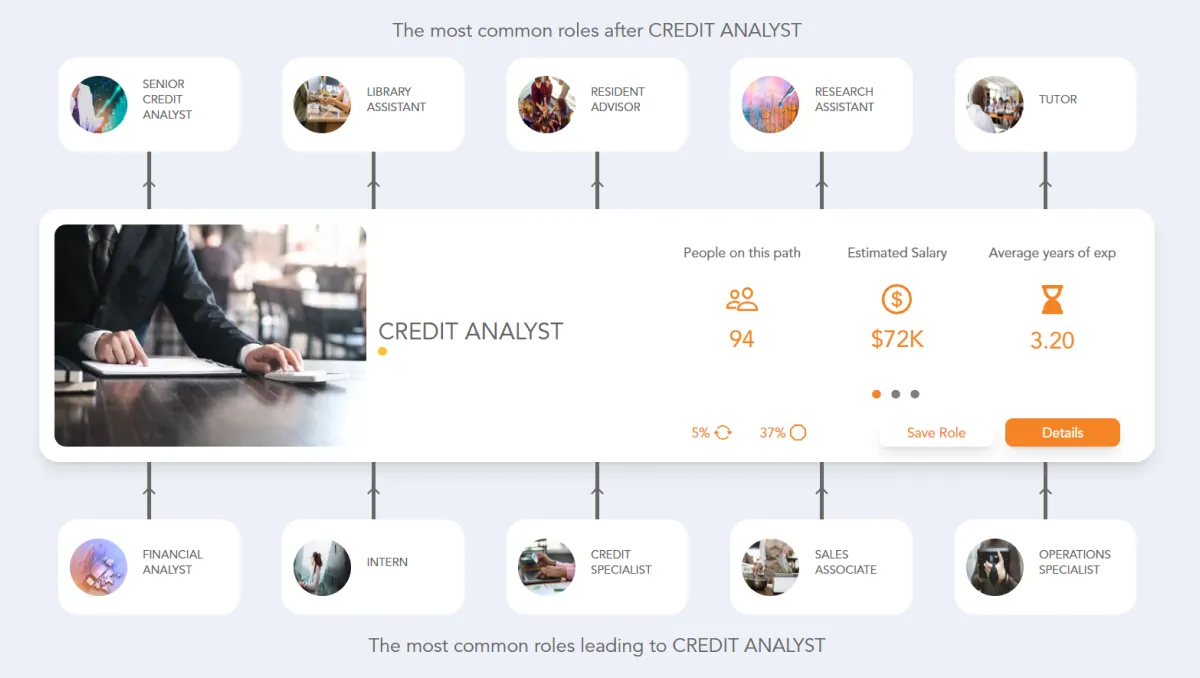
Credit Analyst → Credit Officer → Senior Credit Officer → Credit Manager → Head of Credit.
This route emphasizes deepening technical chops at each step, with promotions tied to performance metrics and risk‑adjusted return.
2. The Lateral Switch
Senior Credit Officer may pivot to related fields such as risk management, treasury, or corporate development. The skill set is transferable, especially when it comes to assessing cash flow and covenant structures.
3. The Specialisation Track
Focus narrows to a niche—like syndicated loans, SME financing, or structured products—allowing the officer to become a subject‑matter expert and command higher compensation.
How to Accelerate Your Advancement
Getting the title isn’t enough; you’ll want to stand out. Here are practical steps that often make a difference:
- Own a Portfolio: Volunteer to manage a small but complex segment. Successful outcomes become concrete proof of your capability.
- Master the Tools: Proficiency in advanced credit scoring models, Excel macros, and data‑visualisation platforms signals readiness for senior duties.
- Network Internally: Build relationships with the credit committee, product heads, and the compliance team. Visibility often precedes promotion.
- Stay Current: Attend industry seminars, read the latest Basel guidelines, and follow emerging credit trends (e.g., ESG‑linked lending).
- Seek Feedback: Regularly ask senior managers for performance insights. Constructive criticism can fast‑track skill gaps.
Compensation Snapshot
While salaries vary by region and institution size, senior credit officers typically earn a base salary ranging from $80,000 to $130,000 in the United States, plus bonuses tied to portfolio performance. In emerging markets, the figures adjust proportionally but remain competitive within the financial sector.
Common Challenges and How to Tackle Them
Even seasoned professionals hit roadblocks. A few frequent issues include:
- Balancing Risk and Growth: Too conservative, and revenue stalls; too liberal, and defaults rise. Use scenario analysis to find the sweet spot.
- Regulatory Changes: New capital requirements can upend credit models. Keep a regulatory radar and adapt quickly.
- Stakeholder Pressure: Sales teams may push for looser standards. Communicate the long‑term cost of poor credit decisions clearly.
Approach each challenge with data‑driven arguments and a willingness to collaborate.
Is This Role Right for You?
If you thrive on numbers, enjoy strategic discussions, and can shoulder accountability for large financial decisions, the senior credit officer track can be rewarding. On the flip side, be prepared for occasional high‑pressure moments—especially when the market turns volatile.
Ultimately, the role blends analytical rigor with leadership, offering a clear pathway toward senior management in banking or corporate finance.