Which Uses Less Power: T5 Fluorescent or LED Lighting?
When you walk into a store, a kitchen, or an office and notice the bright, even glow overhead, you’re probably not thinking about the electricity meter. Yet the choice between T5 fluorescent tubes and modern LED fixtures can add up, especially when the lights stay on for countless hours each year. Let’s dig into the numbers, the technology, and the practical trade‑offs so you can figure out which option really saves more energy for your space.
Understanding the Two Technologies
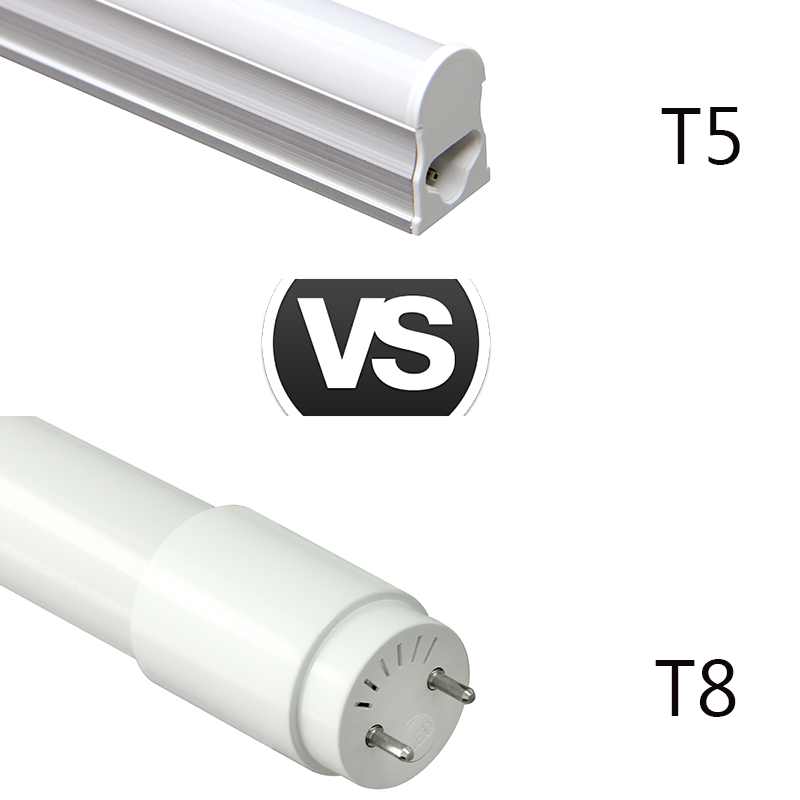
T5 Fluorescent tubes are a newer generation of linear fluorescents, measuring 5 mm in diameter (hence the “T5” designation). They rely on an electric discharge to excite mercury vapor, which in turn generates ultraviolet light that is converted to visible light by a phosphor coating.
LED (Light‑Emitting Diode) fixtures, on the other hand, use semiconductor chips that emit light when electricity passes through them. The light is produced directly—no gases, no phosphors, no ballast (unless the fixture includes one for legacy compatibility).
Energy Consumption: The Bottom Line
At first glance, the numbers are striking:
- Typical 4‑foot T5 tube: 28 watts
- Comparable LED tube: 12‑15 watts
That’s roughly a 45‑55 % reduction in power draw. If you run four tubes for eight hours a day, the difference translates to about 3 kilowatt‑hours per day—enough to power a small refrigerator for a month.
Real‑World Factors That Influence Savings
1. Operating Hours
Short‑term use (a few hours a day) still yields savings, but the impact becomes dramatic in high‑traffic environments: warehouses, schools, or retail floors that stay lit for 12‑16 hours. The longer the light stays on, the more the LED’s efficiency advantage compounds.
2. Fixture Compatibility
Many existing T5 installations include magnetic or electronic ballasts. Swapping to LED often means either:
- Replacing the ballast (direct‑wire LED), or
- Choosing a “ballast‑compatible” LED tube that works with the old ballast.
Removing a failing ballast can actually improve overall system efficiency, but it adds a modest upfront cost.
3. Light Output (Lumens) and Quality
It’s not just about watts. An LED tube that uses 15 watts can deliver 2,000 lumens, matching or exceeding a 28‑watt T5 that produces around 2,400 lumens but with a higher power draw. Moreover, LEDs maintain their brightness longer—often 50,000 hours versus 20,000 hours for T5—so you replace them less frequently.
Cost Considerations Beyond the Wattage
Upfront pricing can make LEDs seem pricey, yet the total cost of ownership tells a different story.
- Energy bills: A 1 kW‑hour reduction saves about $0.12 (U.S. average) per month per fixture.
- Maintenance: Longer lifespan means fewer bulb changes, less labor, and fewer disruptions.
- Heat output: LEDs run cooler, reducing HVAC load in tightly sealed commercial spaces.
When you add these factors together, many businesses see a payback period of 2‑3 years, after which the savings are essentially pure profit.
Environmental Impact
Beyond the wallet, LEDs have a smaller carbon footprint. Less electricity means fewer emissions from power plants, and the absence of mercury—present in all fluorescent tubes—removes a hazardous disposal issue. For companies seeking green certifications, swapping to LED is often a quick win.
When Might T5 Still Make Sense?
It’s not a universal rule that LEDs always win. Certain niche scenarios can tilt the balance:
- Existing infrastructure: If a site has a fully functional T5 system with no failing ballasts, the cost of replacing everything may not be justified immediately.
- Color rendering needs: Some specialty applications (e.g., art galleries) still prefer the specific spectrum of certain fluorescents.
- Initial budget constraints: Small offices with limited capital might opt for incremental upgrades rather than a full retrofit.
Practical Steps to Decide
1. Audit your current lighting: Note wattage, hours of operation, and replacement frequency.
2. Calculate potential savings: Use a simple formula—(Wattage_T5 – Wattage_LED) × Hours × Days × Electricity rate.
3. Factor in maintenance: Estimate labor costs for each bulb change and multiply by the expected number of replacements per year.
4. Consider incentives: Many utilities offer rebates for LED upgrades that can shave off a significant portion of the upfront cost.
Bottom Line
All things considered, LED lighting consistently uses less energy than T5 fluorescent tubes, especially when you account for longer lifespan, lower heat output, and reduced maintenance. The exact savings depend on how long the lights run, the condition of existing ballasts, and the price of electricity in your region. If the numbers line up—as they often do for commercial or high‑traffic spaces—making the switch to LED is a clear win for both the budget and the planet.

![T5 vs T8 Lighting [What's The Difference & Which is Better?] | LED ...](https://ledlightguides.com/wp-content/uploads/2019/05/Fluorescent-Tube-Lights-vs-LED-Tube-Lights.jpg)