How to Boost Your English Skills by Watching TV Shows
Ever found yourself glued to the couch, binge‑watching a drama, and thinking, “I’m learning something more than plot twists”? You're not alone. Television can be a surprisingly effective classroom, as long as you treat it with a bit of strategy. Below is a practical guide that turns your favorite series into a language‑learning engine.
Pick Shows That Match Your Level
Not every series works the same way for every learner.
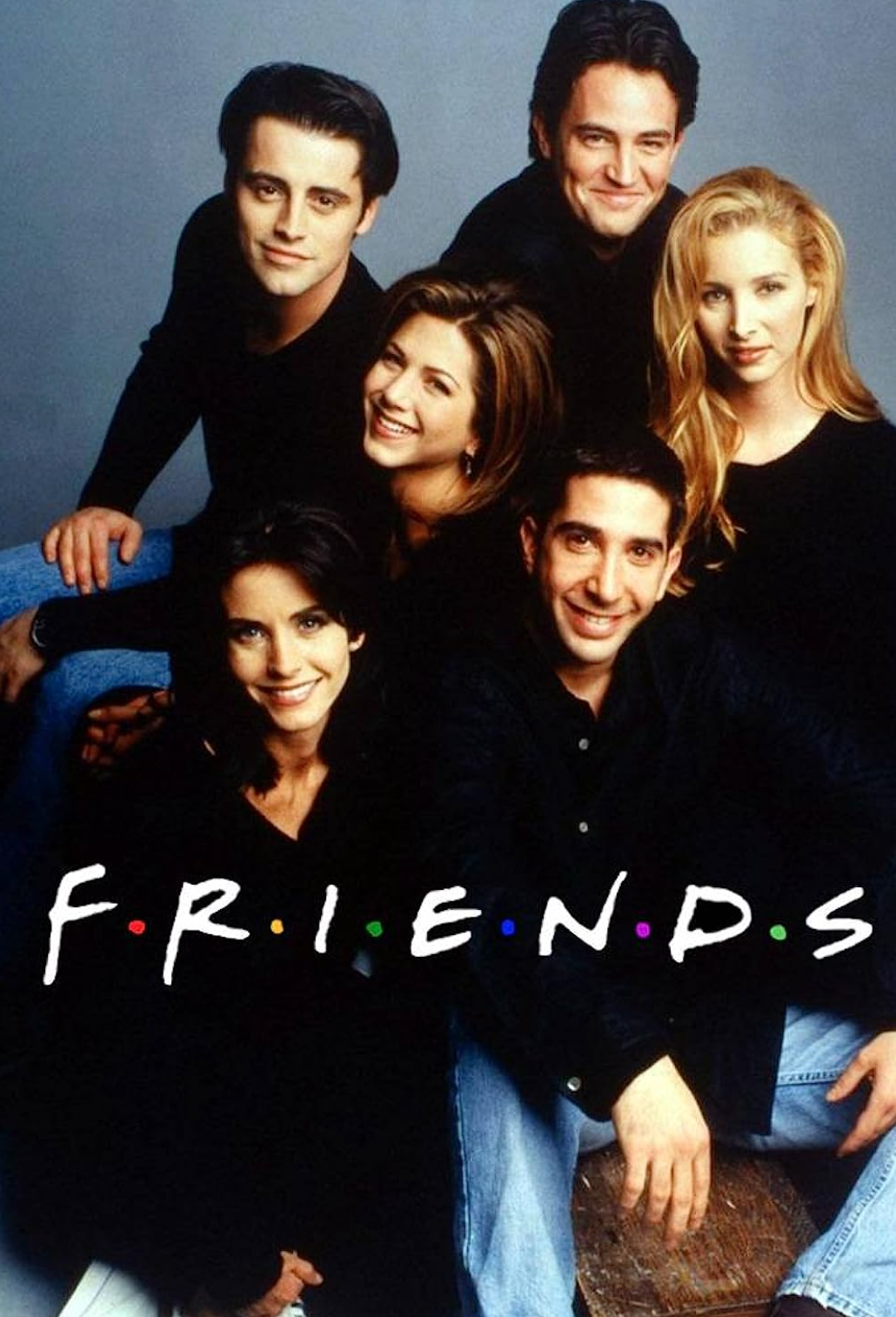
- Beginner? Try sitcoms with simple dialogue—Friends or Modern Family. The everyday vocabulary repeats often.
- Intermediate? Dive into crime procedurals like CSI or teen dramas such as Riverdale. You’ll encounter varied slang and more complex sentence structures.
- Advanced? Go for period pieces or political thrillers—think The Crown or House of Cards. These push you into idiomatic expressions and nuanced discourse.
Choosing a show you actually enjoy is key; motivation wanes quickly when the content feels like a chore.
Set Up Your Viewing Environment
It’s easy to slip into passive watching, but a few tweaks can keep your brain engaged.
Subtitles: When and How to Use Them
- Start with English subtitles. They reinforce spelling while you hear the words.
- After a few episodes, turn them off and rely on context. This simulates real‑world listening.
- If you need a safety net, keep native‑language subtitles on for the first episode only, then switch.
Control the Speed
Most streaming platforms let you slow playback to 0.75×. Slowing down tricky scenes gives your ear a chance to catch every nuance without feeling rushed.
Active Listening Techniques
Watching isn’t enough if you don’t interact with the material. Here are three low‑effort habits that make a big difference.
- Pause and Repeat. When a line catches your ear, pause, repeat it aloud, then rewind to compare.
- Note New Vocabulary. Keep a notebook or a digital note app handy. Jot down unfamiliar words, then look them up later—preferably in a sentence of your own.
- Shadow the Dialogue. Mimic the actors’ intonation and rhythm. This “shadowing” technique improves pronunciation and natural flow.
Turn Episodes into Mini‑Lessons
After you finish an episode, spend ten minutes reviewing. It feels like homework, but the content is already familiar, so it never feels too heavy.
Chunk the Script
If a transcript is available, locate a short segment—maybe a 2‑minute exchange. Break it down:
- Identify key verbs and idioms.
- Rewrite the dialogue in your own words.
- Practice the revised version out loud.
Discussion Boards and Fan Forums
Online communities love to dissect plot twists. Join a thread, share your thoughts in English, and read how native speakers phrase their opinions. It’s real‑world practice without the pressure of a classroom.
Balance Entertainment with Education
It’s tempting to binge for pleasure alone, but sprinkling in a few learning activities keeps progress steady.
- Watch one episode with subtitles, then the next one “raw.”
- Alternate genres—comedy one night, documentary the next—to expose yourself to different registers.
- Schedule a weekly “review session” where you revisit your notes and test yourself on the new words.
Common Pitfalls and How to Avoid Them
Even the best plan can hit snags.
- Over‑reliance on subtitles. If you never turn them off, you’ll miss the listening challenge. Set a timer: after three episodes, go subtitle‑free for at least one.
- Choosing too complex shows. Frustration spikes when you can’t follow the plot. Switch to a simpler series if you feel stuck.
- Neglecting speaking practice. Listening without speaking creates a lopsided skill set. Pair your viewing with shadowing or a language‑exchange partner.
Measure Your Progress
Progress isn’t always obvious, but a few simple checks help you see the gains.
- Vocabulary Log. Review your notebook monthly—count how many words you’ve added and how many you can use without hesitation.
- Comprehension Quiz. After finishing a season, stream an episode you missed and test whether you understand the plot without subtitles.
- Pronunciation Check. Record yourself mimicking a favorite scene now and compare it to a recording from three months ago. Notice the smoother flow?
Final Thought: Make It Fun, Keep It Consistent
Learning English through TV isn’t a hack; it’s a sustainable habit when you treat each episode as a bite‑size lesson. Pick shows you love, engage actively, and watch your confidence grow—one episode at a time.