How to Access Los Angeles County Coroner Death Records
When a loved one passes away, families often need more than a funeral program—they need the official documentation that confirms the cause and circumstances of death. In Los Angeles County, that paperwork lives with the Coroner’s Office. Whether you’re a researcher, an attorney, or simply trying to close a personal file, knowing where and how to request these records can save a lot of time and frustration.
What Exactly Are Coroner Death Records?
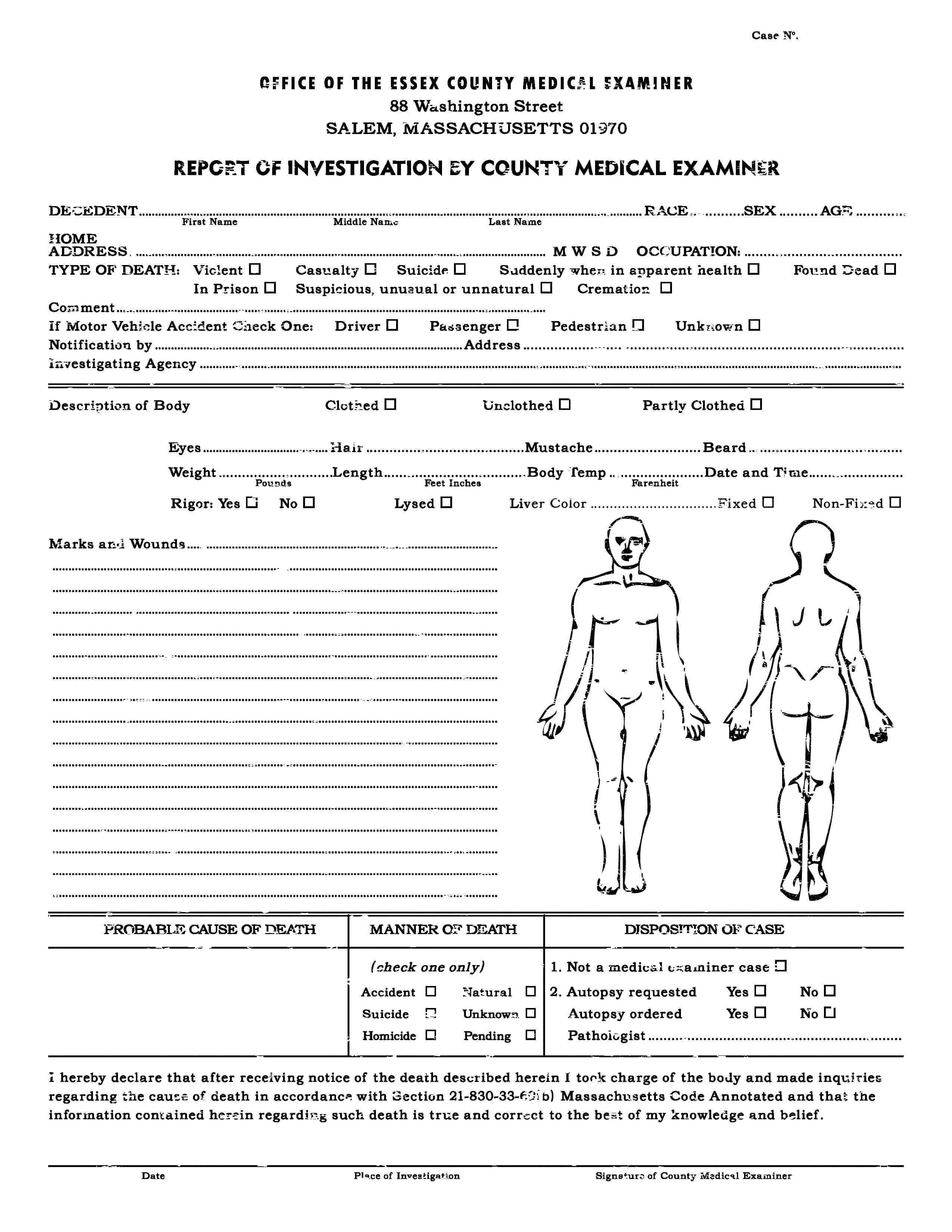
Coroner death records are the formal reports generated after a death is investigated by the county medical examiner. They typically include:
- The decedent’s full name, date of birth, and date of death
- Place of death (hospital, residence, scene)
- Cause and manner of death (natural, accidental, homicide, etc.)
- Brief narrative of the investigation, including toxicology or autopsy findings
- Identification numbers used for filing and reference
These files differ from the standard death certificate issued by the health department; they contain the investigative details that the coroner gathered, which can be crucial for legal matters or genealogical research.
Who Can Request These Records?
The coroner’s office follows California’s Public Records Act, but not every request is granted automatically. Generally, the following groups have the strongest claim:
- Immediate family members or legal representatives
- Attorneys handling probate, wrongful‑death, or insurance cases
- Academic researchers with a clear, approved study plan
- Journalists pursuing a story that serves the public interest
Other individuals may still obtain the records, but they might need to demonstrate a legitimate purpose and could face additional fees or redactions.
Step‑by‑Step Guide to Requesting a Record
1. Gather Basic Information
Before you reach out, collect whatever you know about the deceased:
- Full legal name (including any aliases)
- Date of birth and date of death
- Location of death, if known
- Case or file number, if you have it
Having these details on hand helps the coroner’s staff locate the file quickly.
2. Choose the Right Submission Method
The Los Angeles County Coroner’s Office accepts requests via three channels:
- Online portal: The quickest route. Navigate to the official LA County website, find the “Public Records Request” page, and fill out the digital form.
- Mail: Send a written request to 1200 West Temple Street, Los Angeles, CA 90012. Include all known details and a self‑addressed stamped envelope for the return.
- In‑person: Visit the Records Division during business hours (Monday–Friday, 8 a.m.–4 p.m.) for immediate assistance.
3. Complete the Request Form
Whether online or on paper, the form will ask for:
- Your name and contact information
- The purpose of the request (e.g., “probate filing” or “historical research”)
- Any applicable case numbers
- Acknowledgment of applicable fees (usually a nominal copy‑service charge)
Be honest about why you need the record; vague or overly broad reasons can lead to delays.
4. Pay Any Required Fees
Los Angeles County typically charges $10–$20 per copy, plus a small processing fee if the request is complex. Payment can be made by credit card online, by check in the mail, or cash at the office counter.
5. Await Confirmation
After submission, you’ll receive a receipt with a tracking number. Most requests are fulfilled within 10–15 business days, though cases involving ongoing investigations might take longer.
Things to Keep in Mind
Redactions are common. If the report contains confidential medical details unrelated to the cause of death, the office may black out those sections before sending the file.
Privacy restrictions apply. For deaths that occurred within the last 50 years, certain personal identifiers may be withheld to protect surviving relatives.
Appeal process. If your request is denied or you receive an incomplete file, you can file an appeal with the County’s Office of the County Attorney. Include the denial notice, a clear statement of why the information is essential, and any supporting documentation.
Alternative Sources for Similar Information
If you hit a roadblock, consider these backup options:
- California Department of Public Health – holds death certificates, which often cite the coroner’s cause of death.
- Los Angeles County Superior Court – probate filings sometimes reference coroner findings.
- Local newspapers – obituaries and news stories may mention the coroner’s conclusions, especially in high‑profile cases.
Quick FAQ
- Can I get the record anonymously? No. The office requires a traceable contact method.
- Do I need a lawyer? Not for a simple family request, but legal counsel can help navigate complex probate or litigation scenarios.
- Are records digitized? Older files are often paper‑based, but recent cases are usually scanned and available electronically.
Accessing Los Angeles County coroner death records doesn’t have to be a maze. By gathering the right details, choosing the appropriate request channel, and understanding the office’s policies, you can obtain the documentation you need without unnecessary hassle.