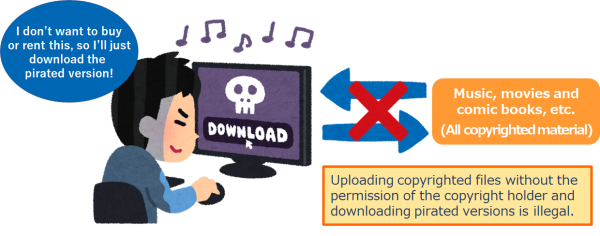
How the Latest Report on Film Piracy Reveals the True Scale of Illegal Downloads
When you click “Download” on a shady site, you probably don’t think about the ripple effect that one action creates. The newest industry report on film piracy lifts the veil on exactly how many of those clicks turn into real‑world losses, and what that means for studios, creators, and even the casual viewer.
The numbers that matter
According to the report, nearly 190 million illegal film downloads were recorded in the last twelve months—a rise of 12% over the previous year. That figure isn’t just a headline; it translates into an estimated loss of $7.3 billion in global box‑office revenue.
- Top‑grossing releases accounted for 42% of all pirated copies.
- Streaming platforms were the most frequent sources of the illegal files, followed by peer‑to‑peer networks.
- North America and Europe together contributed about 55% of the total downloads, but growth was fastest in Asia‑Pacific, where numbers jumped 18%.
These stats are eye‑opening because they show that piracy isn’t a fringe hobby—it’s a massive, organized ecosystem.
Why people still choose piracy
Cost is the usual suspect, but the report uncovers a more nuanced picture. A significant chunk of respondents cited “unavailable in my region” as their primary reason. When a blockbuster hits theaters in the U.S. months before it lands on a local streaming service, the temptation to find a free copy spikes.
Another factor is convenience. A user can download a 2‑GB file with a single click, while waiting weeks for a legal release feels like a drag. Even the perception of “low risk”—many believe they won’t get caught—keeps the habit alive.
How the industry is responding
Studios are no longer relying solely on lawsuits. The report highlights three main strategies that have gained traction:
- Simultaneous releases: Dropping films in theaters and on premium streaming services on the same day cuts the window that pirates exploit.
- Enhanced watermarking: Invisible digital markers tie each copy to a specific user, making it easier to trace leaks.
- Affordable subscription tiers: Introducing lower‑cost plans for emerging markets reduces the economic incentive to turn to illegal sites.
These measures have already shown promise. In regions where simultaneous releases were piloted, illegal download numbers fell by up to 27%.
What the data says about future trends
Looking ahead, the report forecasts a shift from pure file‑sharing to “stream‑ripping”—where users capture a live stream and redistribute it. This evolution poses new challenges because traditional download‑blocking tools are less effective against live content.
Artificial intelligence also enters the scene. AI‑generated deepfake trailers and synthetic voices are being used to seed fake files that appear authentic. While still a niche, it hints at a future where distinguishing legal from illegal becomes even trickier.
What you can do as a viewer
If you care about the movies you love, there are a few practical steps you can take:
- Check if the film is available legally in your region; many services now offer “download‑for‑offline” options that rival the convenience of piracy.
- Support creators by purchasing tickets or merchandise—these revenues often fund the very projects you enjoy.
- Report suspicious sites to local anti‑piracy agencies; collective vigilance can slow down the spread of illegal copies.
Ultimately, the battle against film piracy isn’t about policing every downloader; it’s about reshaping the ecosystem so that legal options are just as quick, cheap, and easy.
Key takeaways
The latest piracy report paints a stark picture: illegal downloads are still soaring, driven by regional lockouts, cost gaps, and sheer convenience. Yet the industry is adapting—simultaneous releases, smarter tracking, and more flexible pricing are already making inroads. For viewers, the message is clear: choose legal routes when you can, because every legitimate view helps keep the stories coming.