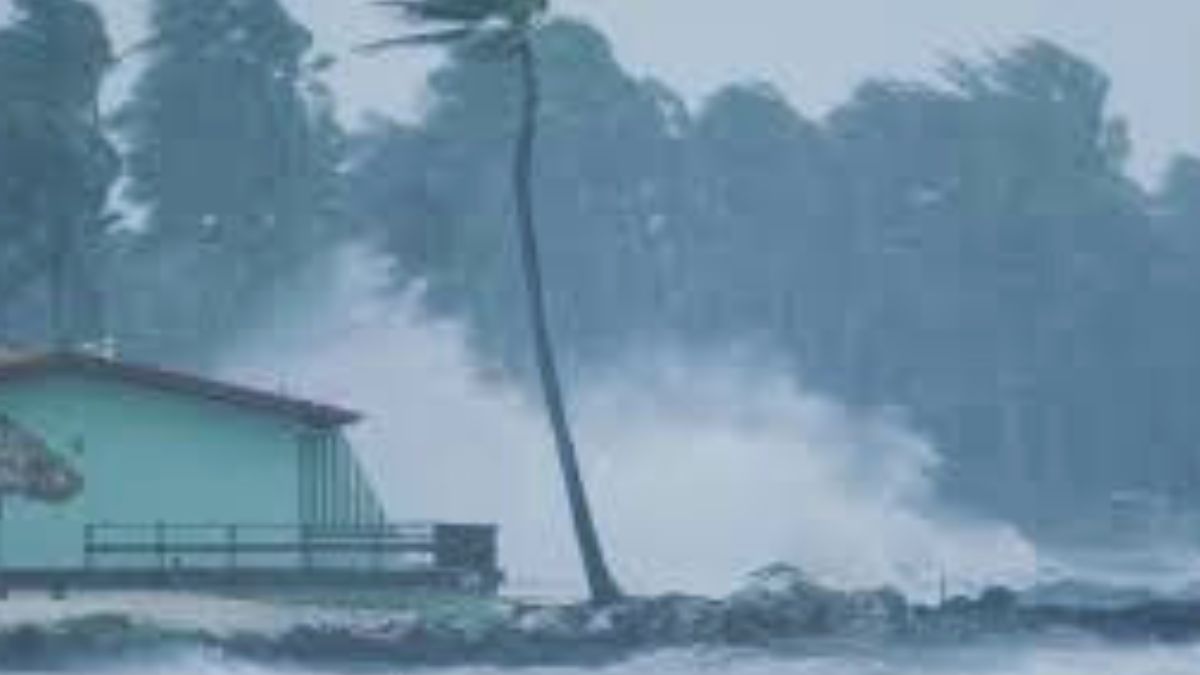
How the Most Lethal Hurricanes Reshaped History
When the wind roars at over 150 mph and rain turns streets into rivers, the aftermath is more than a weather story—it becomes a human tragedy that reshapes cities, economies, and policies. Below is a walk‑through of the hurricanes that left the deepest scars, why they were so destructive, and what lessons they forced us to learn.
Why Some Storms Turn Catastrophic
Not every tropical cyclone earns the “deadliest” label. A few key factors tilt the balance toward disaster:
- Intensity at landfall – Category 4 or 5 winds tear roofs and uproot entire neighborhoods in minutes.
- Population density – Storms that strike densely packed coastal metros create exponential loss of life.
- Storm surge – The invisible wall of water that can surge 20 feet inland, drowning everything in its path.
- Preparedness level – Early warning systems, building codes, and evacuation plans can shave thousands off the death toll.
The Top Five Deadliest Hurricanes on Record
1. The Great Galveston Hurricane (1900)
At the turn of the 20th century, Galveston, Texas, was a bustling port with over 30,000 residents. A Category 4 storm slammed into the island with a 15‑foot surge, wiping out entire neighborhoods. Official death counts hover around 8,000, though many historians suspect the true figure was higher.
2. The 1935 Labor Day Hurricane
Off the Florida Keys, a Category 5 hurricane barreled ashore with sustained winds exceeding 185 mph. The storm’s eye passed directly over the Florida Keys Key West, flattening the Overseas Highway and claiming the lives of over 400 people, many of them World War I veterans working on a work camp.
3. The 1970 Bhola Cyclone
While technically a tropical cyclone in the Bay of Bengal, the Bhola storm’s impact rivals any Atlantic hurricane. A massive storm surge flooded low‑lying islands in present‑day Bangladesh, killing an estimated 300,000 to 500,000 people. The catastrophe sparked political upheaval that led to the independence of Bangladesh.
4. Hurricane Katrina (2005)
Katrina’s legacy is as much about policy failure as it is about raw power. A Category 3 at landfall, the storm drove a 28‑foot surge into New Orleans, overtopping levees that were supposed to protect the city. More than 1,800 confirmed deaths and a displaced population that numbered in the millions left an indelible mark on emergency management.
5. Hurricane Maria (2017)
Although the official death toll in Puerto Rico stands at 2,975, many researchers argue the true number may exceed 5,000 when indirect deaths are counted. Maria’s Category 4 winds ripped through the island’s power grid, leaving residents without electricity for months and exposing deep socioeconomic vulnerabilities.
Common Threads That Amplify Destruction
Looking across these five storms, several patterns emerge:
- Geographic vulnerability – Low‑lying, coastal regions are consistently the most at risk.
- Infrastructure shortcomings – Outdated levees, fragile housing, and insufficient drainage systems magnify damage.
- Social inequality – Communities with fewer resources suffer disproportionately, often lacking means to evacuate or rebuild.
How Communities Have Responded
Tragedy breeds innovation. After each disaster, governments and scientists scrambled to understand what went wrong and how to prevent repeat scenarios.
Improved forecasting: Satellite imagery and computer modeling now provide lead times of up to 72 hours, allowing more orderly evacuations.
Stricter building codes: Coastal cities such as Miami have adopted “hurricane‑resistant” standards, requiring impact‑resistant windows and reinforced roofs.
Natural barriers: Restoring mangroves and wetlands has become a cost‑effective way to absorb storm surge before it reaches populated areas.
What Still Needs Attention
Even with advances, gaps linger. Climate change is pushing sea‑surface temperatures higher, potentially spawning more intense storms. Yet funding for resilient infrastructure often stalls at the political level.
Moreover, disaster response plans still frequently overlook marginalized groups—elderly residents, those without personal transportation, and undocumented migrants. Tailoring alerts in multiple languages and ensuring shelters are accessible can close that equity gap.
Takeaway: Respect the Power, Prepare the People
History shows us that the deadliest hurricanes are not merely meteorological events; they are catalysts that expose weaknesses in our societies. By studying the devastation—from Galveston’s wooden homes to Puerto Rico’s power grid—we gain a roadmap for building smarter, more resilient communities.