Red Panda Facts: Habitat, Diet & Conservation Insights
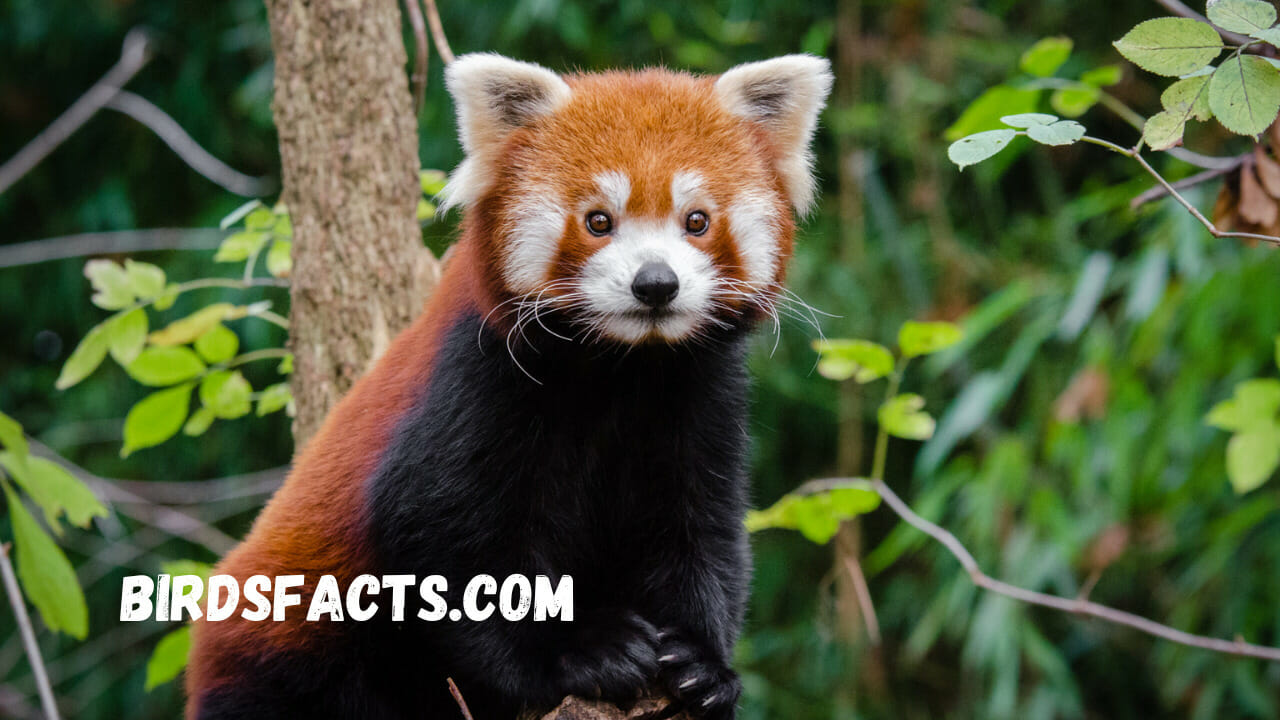
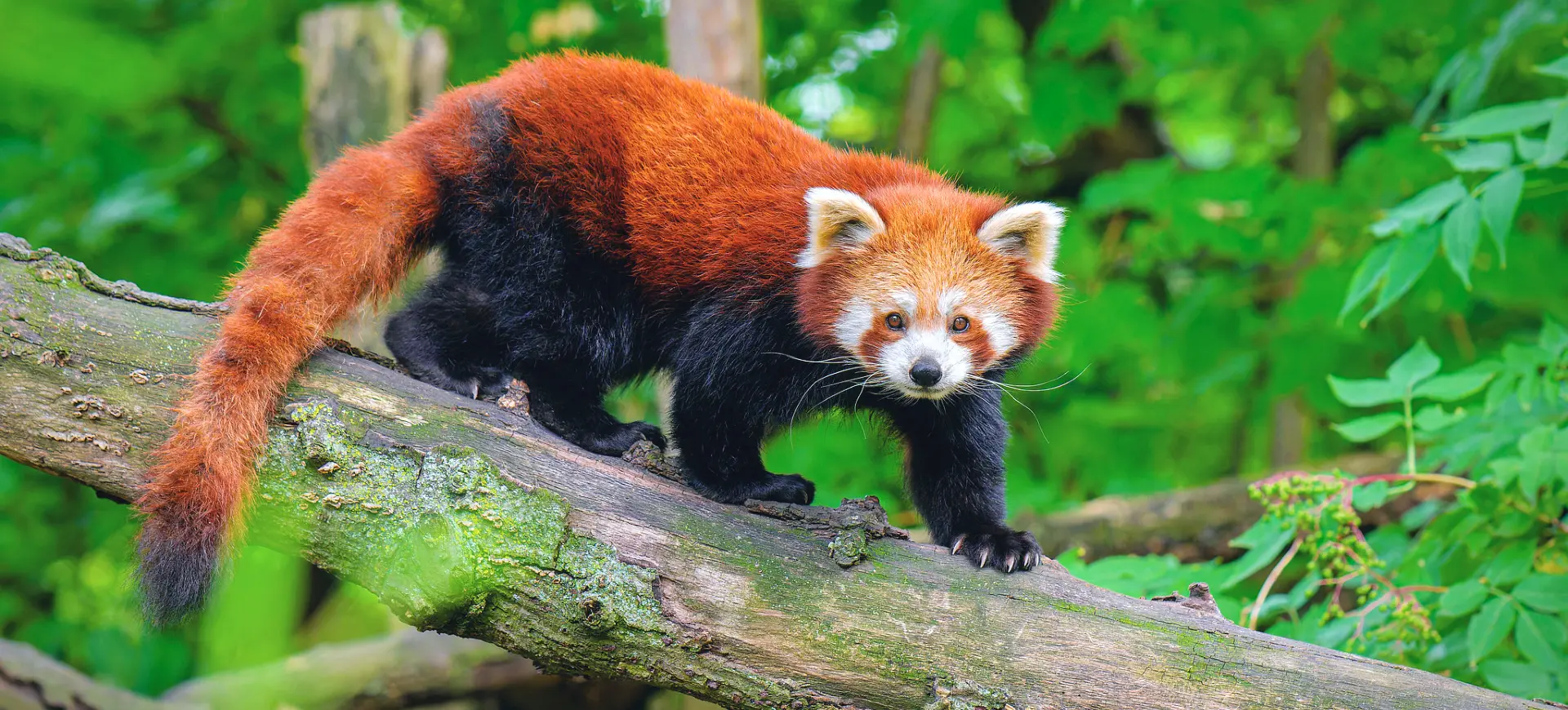
Ever spotted that fluffy, russet‑tailed creature perched high in a bamboo thicket and wondered what makes it so uniquely charming? The red panda (Ailurus fulgens) is a master of disguise, thriving in a narrow slice of the world’s mountains. Below we’ll wander through its forest home, nibble on its favorite foods, and peek at the battle being fought to keep this elusive animal on the planet.
Where Red Pandas Call Home
These arboreal mammals are not spread across continents; they are tightly bound to the mist‑cloaked slopes of the Himalayas and the foothills of the Eastern Himalaya biodiversity hotspot. Think of regions like Nepal, Bhutan, northern India (especially Sikkim and Arunachal Pradesh), and parts of southwestern China.
Key features of their habitat include:
- Cool, temperate climate – temperatures rarely exceed 20 °C, and a steady drizzle keeps the understory moist.
- Dense bamboo groves – not just for food, but also for the thick canopy they love to navigate.
- Mixed broadleaf‑conifer forests – a patchwork of oak, rhododendron, and fir provides shelter and nesting sites.
Because they need a very particular mix of altitude (usually 2,200–4,800 m) and vegetation, any shift in climate or land use can dramatically shrink their usable range. That's why you’ll often hear conservationists talk about “habitat fragmentation” as a silent killer.
Micro‑habitats within the forest
Red pandas favor the "bamboo understory" – a dense layer of young shoots where they can hide from predators and the occasional curious human. They also make temporary dens in tree hollows, often near the base of large trunks. These spots offer protection from rain and a steady supply of fresh bamboo shoots.
What Red Pandas Eat
Despite the name, red pandas are not true pandas. Their diet is a quirky blend of herbivory and opportunistic carnivory.
Primary food source: bamboo. They chew on the tender shoots and leaves, consuming up to 300 g per day. Bamboo provides enough fiber to keep their digestive system humming, but it’s low in calories – so they’re constantly on the move.
Supplementary treats include:
- Fruits such as berries, apples, and figs (when seasonally available).
- Insects – beetles and grubs add a protein punch.
- Bird eggs and small mammals – occasional carnivorous snacks, especially during the lean winter months.
Interesting tidbit: red pandas have a pseudo‑thumb, an elongated wrist bone, that helps them grasp bamboo stalks with surprising dexterity. It’s a tiny adaptation that underlines just how specialized they are.
Seasonal shifts
When bamboo shoots sprout in spring, the pandas gorge themselves, storing extra energy for the harsher, snow‑covered months ahead. Come autumn, fruit and berries become more abundant, providing sugars that help them replenish after a long fasting period.
Threats and Conservation Efforts
It’s a sad reality that the red panda is listed as Endangered on the IUCN Red List. The top threats? Habitat loss, poaching, and climate change. Let’s break them down.
Habitat loss – Expanding agriculture, timber extraction, and infrastructure projects slice through the continuous forest, leaving isolated “islands” of suitable habitat. Red pandas, being poor long‑distance travelers, can’t easily cross these gaps.
Poaching – Although not a primary target for meat, red pandas are hunted for their luxurious fur and for the illegal pet trade. Even a few captured individuals can destabilize a local population.
Climate change – Warmer temperatures push bamboo zones upward, but the mountains have a limit. As the bamboo retreats, the pandas are forced into ever‑smaller pockets.
What’s being done?
Conservationists have crafted a blend of community‑based and scientific strategies:
- Protected areas – National parks like Annapurna in Nepal and the Wolong Reserve in China now have dedicated red‑panda monitoring programs.
- Community outreach – Education campaigns teach locals the ecological value of the species and promote alternative livelihoods.
- Habitat corridors – Small forest strips are being replanted to link fragmented patches, allowing pandas to move safely.
- Research & monitoring – Camera traps and GPS collars provide data on movement patterns, helping refine conservation plans.
One promising development is the rise of “eco‑tourism” zones where visitors can glimpse red pandas in the wild, with a portion of ticket sales funneled directly into habitat restoration.
How you can help
Even if you’re miles away from the Himalayas, your actions matter. Supporting reputable wildlife charities, spreading awareness on social media, or even reducing your carbon footprint can indirectly benefit red pandas.
Next time you see a picture of that adorable, bushy‑tailed critter, remember: it’s more than a cute mascot. It’s a sentinel of fragile mountain ecosystems, and every effort to protect it echoes through the forest canopy.