What a Draft Dodger Is and Why It Matters: A Quick Guide
Ever heard someone throw the term “draft dodger” around and wonder what it actually means? It’s one of those phrases that sounds simple at first glance, yet it carries layers of history, legality, and personal choice. Below we’ll untangle the definition, explore the contexts where it shows up, and look at why the label still matters today.
Defining the Draft Dodger
In its most basic form, a draft dodger is a person who avoids compulsory military service. The “draft” refers to the legal process by which governments call citizens into the armed forces, usually during wartime or national emergencies. Dodging, then, is any action taken to sidestep that obligation.
It’s not just about hiding in a barn. The term covers a wide spectrum of behaviours:
- Legal exemptions – medical conditions, conscientious‑objector status, or certain family circumstances that the law recognises as valid reasons.
- Administrative loopholes – postponements, deferments for education, or claiming a non‑combatant role.
- Covert avoidance – fleeing the country, falsifying records, or simply not showing up for the call‑up.
Each of those pathways carries different social connotations and legal consequences, which is why the conversation around draft dodging can get surprisingly nuanced.
Historical Backdrop
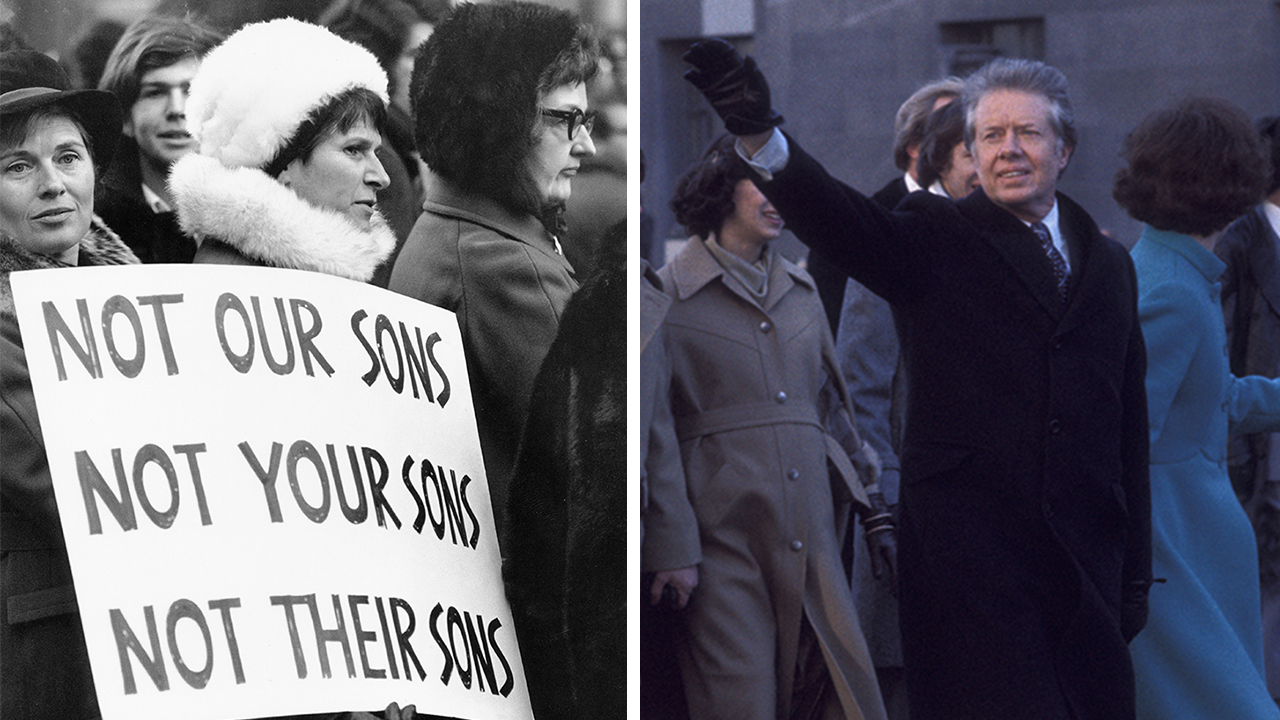
The notion of forced conscription dates back to ancient empires, but the modern idea of a “draft dodger” really crystallised during the 20th‑century world wars. In the United States, for example, the Vietnam era produced the most famous wave of public dissent, with high‑profile cases that turned into cultural touchstones.
Across Europe, the post‑World War II period saw similar debates. Some nations introduced selective service systems that allowed for broader exemptions, while others kept a hard‑line approach, penalising avoidance harshly. Those historical choices still echo in today’s policies.
Why the Label Still Matters
Even in a time when many countries have moved away from large‑scale conscription, the term “draft dodger” pops up in politics, media, and everyday conversation. Here’s why it remains relevant:
- Political symbolism – Accusing an opponent of being a draft dodger can serve as a shorthand for questioning their patriotism or sense of duty.
- Legal implications – In nations that still enforce a draft, dodging can lead to fines, imprisonment, or loss of civil rights.
- Social perception – Communities may view dodgers as either principled objectors or as shirking responsibility, shaping public opinion on broader military policies.
- Ethical debate – The tension between individual conscience and collective security continues to fuel philosophical discussions.
Legal Landscape Around the World
Not every country treats draft avoidance the same way. Below is a quick snapshot of a few differing approaches:
United States
Selective Service registration is still mandatory for men aged 18‑25, though the draft itself hasn’t been activated since 1973. Failure to register can result in ineligibility for federal jobs or student aid. Actual evasion of an active draft would carry criminal penalties.
South Korea
With a powerful standing army, South Korea requires virtually all able‑bodied men to serve for about 18 months. Penalties for evasion can include prison time and hefty fines. However, exemptions for health or mental health issues are fairly structured.
Sweden
Sweden reinstated conscription in 2017 but adopts a volunteer‑first model. Individuals can apply for conscientious‑objector status, and the process tends to be transparent, reducing the stigma around lawful avoidance.
Common Misconceptions
People often lump together genuine conscientious objection with outright evasion. The former is a protected right in many democracies, grounded in religious or moral belief. The latter, when done through illegal means, can strip a person of legal protections.
Another myth is that all draft dodgers share the same motivations. In reality, reasons range from deep‑seated pacifism to pragmatic concerns like career interruption or personal safety. Treating the group as monolithic does a disservice to the complex human stories behind each case.
How Society Responds
Public reaction can be surprisingly varied, even within the same country. Some communities raise funds to support conscientious objectors, while others launch campaigns that label dodgers as unpatriotic. Media coverage often mirrors that split, swinging between human‑interest stories and hard‑line editorial pieces.
One interesting trend in recent years is the rise of “digital draft dodging” – using online tools to obscure one’s location or identity to avoid being called up. While the tech angle is new, the underlying tension between state demands and personal autonomy stays the same.
What to Consider If You’re Facing the Draft
If you ever find yourself in a situation where conscription is on the table, here are a few practical points to weigh:
- Check the official exemption criteria – medical, educational, or familial grounds might apply.
- Seek legal counsel early – a qualified attorney can help navigate the paperwork and avoid accidental infractions.
- Explore alternative service options – many nations offer non‑combat roles for those who object to bearing arms.
- Understand the long‑term consequences – beyond immediate penalties, a draft evasion record can affect employment, travel, and civic participation.
Looking Ahead
As geopolitics evolve, the likelihood of large‑scale drafts may rise in some regions, while others continue to embrace professional volunteer forces. Regardless of the path chosen, the conversation around draft dodging will persist, reflecting broader societal values about duty, conscience, and the role of the individual in the nation‑state.
So whether you view a draft dodger as a principled activist or a reluctant evader, the term carries weight because it sits at the intersection of law, morality, and personal choice. Understanding that intersection is the first step toward a more informed, less reactionary dialogue.