How TMG Betaine Supports Health and Everyday Use
When you glance at supplement labels, TMG (trimethylglycine) often appears beside the more familiar vitamins and minerals. Yet many people skip over it, not quite sure what it actually does. Below we’ll unpack the science behind TMG, explore the ways it can fit into a daily routine, and highlight a few practical tips for getting the most out of this modest‑looking compound.
What Exactly Is TMG?
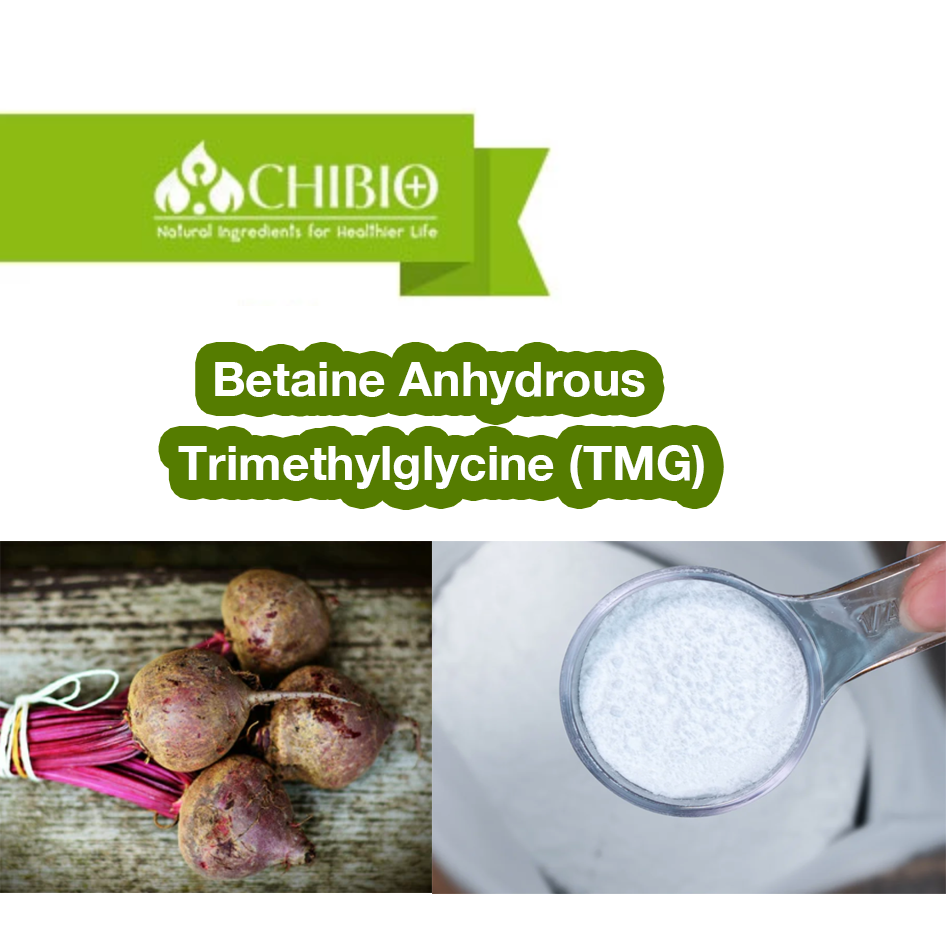
TMG is a naturally occurring molecule found in foods like beets, spinach, and whole grains. Chemically, it’s a derivative of the amino acid glycine, with three methyl groups attached—hence the name “trimethylglycine.” In the body, those methyl groups act as tiny couriers, shuttling one carbon atom at a time to support a range of biochemical reactions.
Key Roles in the Body
- Methyl donor: Helps convert homocysteine, a by‑product of protein metabolism, into methionine, an essential amino acid.
- Osmolyte: Balances fluid inside cells, which can protect tissues during stress (think dehydration or high‑intensity exercise).
- Support for liver function: Assists in processing toxins and metabolizing fats.
Why the Hype About Homocysteine?
Elevated homocysteine levels have been linked—though not definitively—to cardiovascular concerns. Because TMG can convert homocysteine back into methionine, many view it as a gentle, indirect way to keep those levels in check. It’s not a miracle cure, but for those already watching their heart health, adding a modest dose of TMG may feel like a sensible safety net.
Everyday Benefits You Might Notice
While scientific studies continue to untangle the full picture, anecdotal reports and early research point to a handful of areas where TMG often shines.
- Improved energy metabolism – By supporting the methylation cycle, TMG can help your cells produce ATP more efficiently.
- Reduced muscle fatigue – Athletes sometimes report quicker recovery after high‑intensity workouts.
- Better mood balance – Methylation influences neurotransmitter production, so a well‑functioning cycle may contribute to a steadier emotional baseline.
How to Incorporate TMG Into Your Routine
Adding TMG doesn’t require a major overhaul. Here are some flexible approaches, depending on your preferences.
Supplement Form
The most common way is a powdered or capsule supplement. Typical adult doses range from 500 mg to 3 g per day, split into two servings. Start low, monitor how you feel, and adjust gradually.
Food Sources
If you’d rather stick to whole foods, aim for a beet‑heavy salad a few times a week, sprinkle spinach into smoothies, or choose whole‑grain breads over refined ones. Though the amounts are modest compared to a supplement, they still contribute to daily intake.
Timing Tips
- Take TMG with meals that contain protein—this can enhance the methylation pathway.
- If you’re using it for workout recovery, a dose about 30 minutes before exercise works well for many.
- Those concerned about digestive comfort may split the dose, taking half in the morning and half in the evening.
Potential Interactions and Precautions
TMG is generally regarded as safe for most adults, but a few considerations are worth noting.
- Medication overlap: If you’re on prescription drugs that affect methylation (like certain antidepressants), check with a healthcare professional.
- Kidney or liver conditions: Because TMG is processed by these organs, people with severe disease should seek medical advice before starting.
- Excessive dosing: Very high amounts can lead to mild gastrointestinal upset. Staying within recommended ranges usually avoids that.
Who Might Benefit Most?
Not everyone needs a TMG boost, but a few groups often find it helpful:
- Individuals with a family history of elevated homocysteine.
- Athletes or fitness enthusiasts chasing faster recovery.
- Those following a diet low in natural methyl donors (e.g., strict vegans relying heavily on processed foods).
Quick FAQ
Q: Can TMG replace B‑vitamin supplements?
A: Not really. While TMG supports similar pathways, it doesn’t provide the full range of nutrients found in B‑vitamins.
Q: Will taking TMG make me gain weight?
A: No direct link has been established. However, as an osmolyte, it helps cells retain water, which might cause a subtle, temporary weight shift.
Q: Is there a “best” brand?
A: Look for products that are third‑party tested for purity and list the exact amount of TMG per serving. Transparency matters more than flashy branding.
Putting It All Together
TMG isn’t a headline act, but think of it as a backstage crew member quietly keeping the show running smoothly. By donating methyl groups, balancing cellular fluids, and supporting liver health, it offers a modest yet versatile set of benefits. Whether you choose to boost your intake with a supplement or simply enjoy more beet‑laden meals, the key is consistency and listening to how your body responds.