How to Apply IFRS Revenue Recognition in Simple Steps
Why the New Rules Matter
Since the 2018 overhaul, IFRS 15 has reshaped how companies treat sales, subscriptions, and even one‑off services. The shift isn’t just bookkeeping; it alters the timing of profit, impacts covenant calculations, and can change the story you tell investors.
Getting the basics right now saves you from costly restatements later, and it builds confidence with auditors and regulators alike.
The Core Principle in Plain English
At its heart, IFRS 15 says: recognize revenue when control of goods or services passes to the customer, not necessarily when you ship the product or send the invoice.
- Identify the contract. There must be a clear agreement, with enforceable rights and obligations.
- Identify performance obligations. Break the contract into distinct promises—each may trigger revenue separately.
- Determine the transaction price. This is the amount you expect to be entitled to, after discounts, variable considerations, or penalties.
- Allocate the price. Split the transaction price across the performance obligations based on their relative standalone selling prices.
- Recognize revenue. Record it when—and only when—each obligation is satisfied.
Step‑by‑Step Walkthrough
1. Spot the Contract
Contracts can be written, oral, or implied by customary business practice. The key is that both parties intend to create enforceable rights. If a deal hinges on a future approval that never materializes, it’s not a contract under IFRS 15.
2. Break It Down
Look for distinct goods or services. A software license bundled with a one‑year support package is usually two obligations: the license (a distinct good) and the support (a distinct service). Treat them separately unless the support is so integrated it cannot be sold on its own.
3. Calculate the Transaction Price
This step often trips people up because it involves a lot of judgment. Consider:
- Fixed fees vs. usage‑based fees.
- Discounts tied to performance milestones.
- Refund or return policies that could reduce the amount you actually keep.
Use probability‑weighted estimates for variable amounts—don’t just guess the most likely number.
4. Allocate Smartly
If you have a single price for multiple obligations, you need each obligation’s standalone selling price. When market prices aren’t available, estimate using a cost‑plus or market‑approach methodology. The allocation must sum exactly to the total transaction price—no rounding gaps.
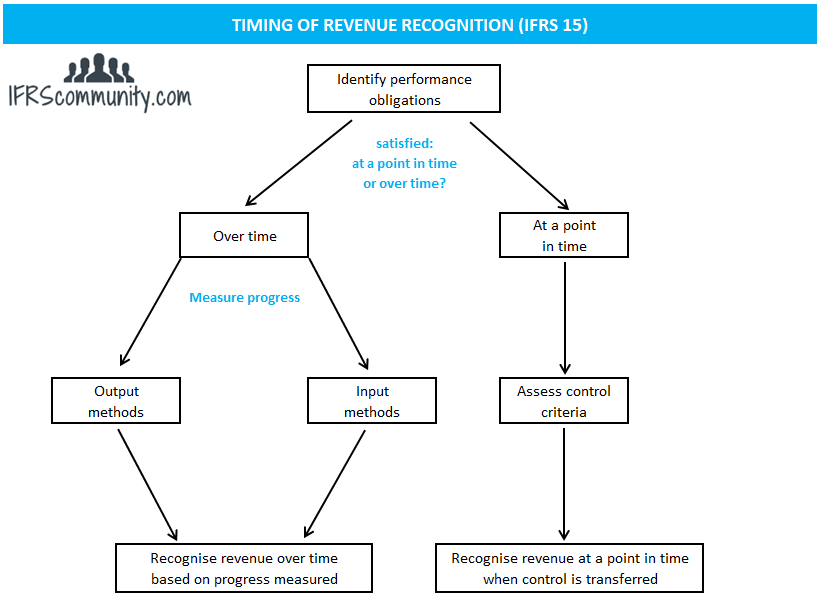
5. Recognize at the Right Moment
Two patterns dominate:
- Over time. Revenue is recorded continuously if the customer receives benefits as you perform—think construction contracts or long‑term SaaS services.
- At a point in time. Most product sales fall here; you recognize revenue when the buyer obtains control, often at delivery.
Indicators of control transfer include physical possession, legal title, and the ability to direct use of the asset.
Common Pitfalls to Watch
Even seasoned accountants stumble on a few recurring issues:
- Bundling errors. Treating a bundled offer as a single obligation can delay revenue unnecessarily.
- Variable consideration. Ignoring the constraint on estimates leads to premature recognition.
- Timing mismatches. Recognizing revenue before the customer can direct the asset breaches the core principle.
Audit trails and clear documentation help prove that each judgement was reasonable.
Quick Checklist for Your Next Reporting Cycle
- Did we document every contract and its key terms?
- Are all performance obligations clearly identified and separated?
- Is the transaction price adjusted for discounts, rebates, and penalties?
- Do we have a defensible method for estimating standalone selling prices?
- Have we matched revenue recognition timing to the transfer of control?
Tools and Resources
Modern ERP systems often include IFRS 15 modules—use them to automate allocation and timing calculations. If you’re still on spreadsheets, consider a dedicated revenue recognition add‑on that forces you through each of the five steps.
Finally, the IFRS Foundation’s implementation guidance remains the gold standard. It contains examples that mirror real‑world contracts, from telecom bundles to construction contracts.