How to Apply NIST SP 800‑144 for Cloud Security and Privacy
Ever felt a little lost when a cloud‑security standard pops up in a meeting? You’re not alone. NIST’s Special Publication 800‑144 offers a roadmap, but it’s packed with jargon that can feel like a maze. Below, we break down the guide into practical steps you can actually use, without drowning in technicalese.
Why NIST SP 800‑144 Still Matters
Even though the cloud ecosystem has evolved dramatically since the guide’s release, its core principles remain relevant. Think of it as a set of “best‑practice guardrails” that help organizations balance innovation with risk management.
Key takeaways:
- Risk‑centric approach: Security isn’t a checkbox; it’s a continuous assessment.
- Shared responsibility: Both providers and consumers must collaborate.
- Privacy integration: Protecting data isn’t optional—it’s built into the architecture.
Getting Started: A Quick Self‑Assessment
Before you dive into the nitty‑gritty, ask yourself three simple questions:
- Do we know where our data lives in the cloud?
- Are we clear on who can access it, and under what conditions?
- What would happen if a breach occurred—do we have an incident plan?
If the answers are shaky, you’re in the perfect spot to apply the guide’s first chapter on “Understanding the Cloud Environment.”
Identify Your Cloud Service Model
Distinguish whether you’re using IaaS, PaaS, or SaaS. Each model shifts the security boundary:
- IaaS: You control the operating system and apps, so you must secure the virtual machines yourself.
- PaaS: The platform handles the OS, but you still own the applications and data.
- SaaS: The provider takes care of most layers, yet you remain responsible for user access and data classification.
Mapping these layers to NIST’s “security domains” (e.g., identity, data protection) helps you spot gaps early.
Core Controls to Prioritize
The guide lists dozens of controls—don’t try to implement them all at once. Focus on the ones that deliver the biggest risk reduction.
1. Identity and Access Management (IAM)
Start with strong authentication. Multi‑factor authentication (MFA) should be the default, even for privileged accounts. Next, enforce the principle of least privilege: give users just enough rights to do their jobs, no more.
2. Data Encryption
Encrypt data at rest and in transit. Use provider‑managed keys only if you trust their key‑management process; otherwise, bring your own keys (BYOK) for added control.
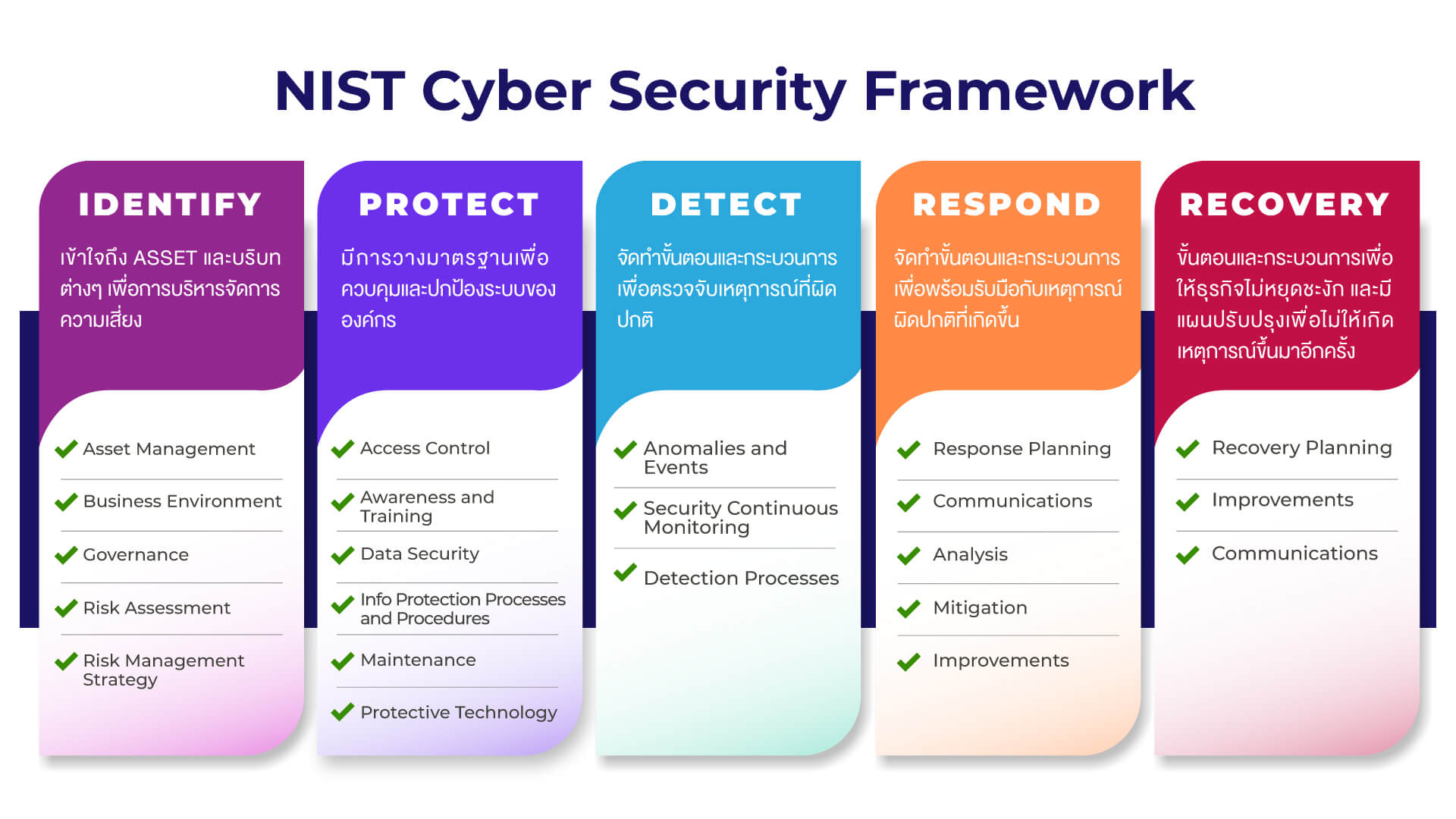
3. Continuous Monitoring
Deploy a centralized logging solution that aggregates events from both the provider and your own assets. Look for anomalous activity—such as logins from unexpected locations—so you can respond quickly.
4. Incident Response Planning
A solid plan outlines who does what when a breach hits. Include clear communication channels with your cloud vendor; many providers offer dedicated security liaison teams.
Integrating Privacy: Beyond the Security Checklist
Security without privacy is like locking a door but leaving the windows open. NIST SP 800‑144 emphasizes privacy by design, meaning you embed data‑protection measures from the start.
Practical steps:
- Classify data based on sensitivity—personal identifiers, health records, financial info each get a different handling rule.
- Apply data minimization—store only what you truly need, and purge it when it’s no longer required.
- Use privacy‑enhancing technologies (PETs) like tokenization or differential privacy when feasible.
Remember, compliance frameworks such as GDPR or CCPA often intersect with these recommendations, so aligning them can simplify audits.
Working with Your Cloud Provider
The guide stresses collaboration, yet many teams treat the provider as a black box. Flip the script: request transparency.
Ask these questions during contract negotiations or service reviews:
- What certifications does the provider hold (e.g., ISO 27001, SOC 2)?
- How are security incidents communicated to customers?
- Can you audit the provider’s security controls, or at least receive a summary report?
Most reputable vendors will gladly share a compliance packet. If they resist, it’s a red flag worth noting.
Putting It All Together: A Sample Implementation Timeline
Here’s a rough 90‑day roadmap that many organizations find doable:
- Weeks 1‑2: Conduct the self‑assessment and catalog cloud assets.
- Weeks 3‑4: Harden IAM—roll out MFA, adjust privilege groups.
- Weeks 5‑6: Enable encryption for storage buckets and databases.
- Weeks 7‑8: Deploy centralized logging and set up basic alerts.
- Weeks 9‑10: Draft an incident response playbook, run a tabletop exercise.
- Weeks 11‑12: Review privacy controls, adjust data classification schemas.
Adjust the cadence to match your organization’s size and risk appetite; the key is steady progress, not perfection on day one.
Common Pitfalls and How to Avoid Them
Even with a solid plan, teams stumble on predictable traps:
- Over‑reliance on provider security: Assuming the cloud does all the heavy lifting leads to blind spots.
- Skipping documentation: Without clear records, audits become nightmares.
- Neglecting user education: Phishing remains the top attack vector; regular training is non‑negotiable.
Counter each by setting up a simple checklist—review it quarterly, and update whenever you add a new service or change a workflow.
Final Thoughts: Making NIST SP 800‑144 Work for You
Adopting the guide isn’t about ticking boxes; it’s about weaving security and privacy into the fabric of your cloud strategy. Start small, build momentum, and keep the conversation alive with both internal stakeholders and your cloud partner. Over time, those “best‑practice guardrails” become second nature, letting you innovate confidently while keeping risks in check.