How to Choose Between Prepaid and Postpaid Mobile Plans
When you’re eyeing a new phone contract, the first fork in the road usually asks: prepaid or postpaid? The decision isn’t just about price tags; it’s about lifestyle, budgeting habits, and even how far you travel. Below we break down the key differences, highlight the perks and pitfalls of each, and give you a quick checklist to match a plan with your needs.
Understanding the Basics
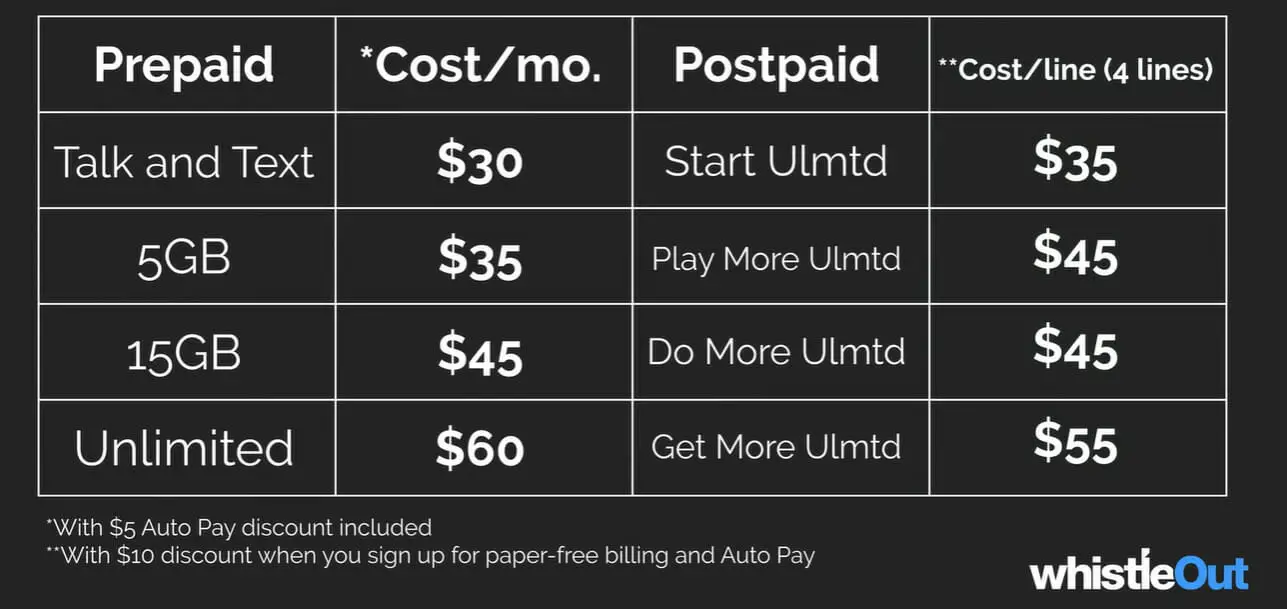
Prepaid plans let you load credit in advance. You pay for what you use, and the service stops when the balance runs out. Postpaid plans, on the other hand, bill you at the end of a monthly cycle based on a predetermined allowance.
Both systems work on the same networks, so signal strength and coverage aren’t usually a factor in the choice. The real divergence lies in flexibility, commitment, and cost predictability.
When Prepaid Makes Sense
If you like keeping a tight grip on expenses, prepaid often feels like a safety net.
- No surprise bills: You only spend what you’ve topped up.
- Easy to switch: Changing carriers or plans can be as simple as buying a new SIM.
- Credit‑friendly: No credit check is required, so it works for students or recent movers.
- Travel‑ready: Many prepaid offers include roaming packs you can add just before a trip.
However, prepaid can sometimes mean higher per‑minute rates or limited data speeds once you dip below a certain threshold.
When Postpaid Fits Better
Postpaid shines for users who enjoy a stable, all‑in‑one package.
- Bundled perks: Free streaming subscriptions, device subsidies, or unlimited texts are common.
- Predictable budgeting: A fixed monthly bill makes accounting easier, especially for families.
- Priority support: Some carriers reserve faster customer service for postpaid customers.
- Higher data caps: Unlimited or high‑volume plans are typically only available on postpaid.
On the flip side, you’ll usually need a credit check, sign a contract, and face early‑termination fees if you decide to leave.
Factors to Weigh Before Deciding
1. Usage Patterns
Do you binge‑watch videos on the go? If so, a postpaid plan with a generous data allowance might save you from throttling or extra charges. Light users who mainly text and occasionally browse may find a low‑cost prepaid option sufficient.
2. Budget Flexibility
Look at your monthly cash flow. If you prefer a “pay‑as‑you‑go” rhythm, prepaid aligns with that mindset. If you can lock in a set amount and avoid surprise fees, postpaid could bring peace of mind.
3. Commitment Level
Are you willing to sign a 12‑ or 24‑month contract? Some postpaid deals offer phone subsidies that only make sense if you stay for the full term. If you anticipate moving or changing jobs soon, prepaid eliminates the hassle of early termination.
4. Credit History
A solid credit score unlocks the best postpaid offers. If your credit is still building, don’t let that stop you—prepaid can still deliver reliable service without the credit scrutiny.
Quick Decision Checklist
- Do you need a device subsidy? → Postpaid
- Is unpredictable spending a concern? → Prepaid
- Do you travel abroad frequently? → Prepaid (add roaming packs) or Postpaid with international add‑ons.
- Are you okay with a credit check? → Postpaid
- Do you want unlimited data? → Postpaid (usually)
Real‑World Examples
Imagine Alex, a freelance photographer who needs a reliable connection for uploading high‑resolution images. Alex opts for a postpaid plan with 30 GB of data and a discounted phone, knowing the monthly cost fits his projected income.
Contrast that with Sara, a college student on a tight budget. She chooses a prepaid plan, topping up $15 each month, which covers her text messages and occasional video calls without any lingering bills.
Tips to Get the Most Out of Your Choice
- Read the fine print on data throttling thresholds.
- Watch for promotional periods that might increase rates after the intro phase.
- Consider family or shared plans—sometimes a single postpaid contract can cover multiple users more cheaply.
- Keep an eye on loyalty rewards; some carriers give discounts for long‑term customers.
At the end of the day, the “right” plan is the one that fits your daily routine, financial comfort zone, and future plans. Whether you gravitate toward the flexibility of prepaid or the comprehensive bundles of postpaid, a little homework now saves you headaches later.