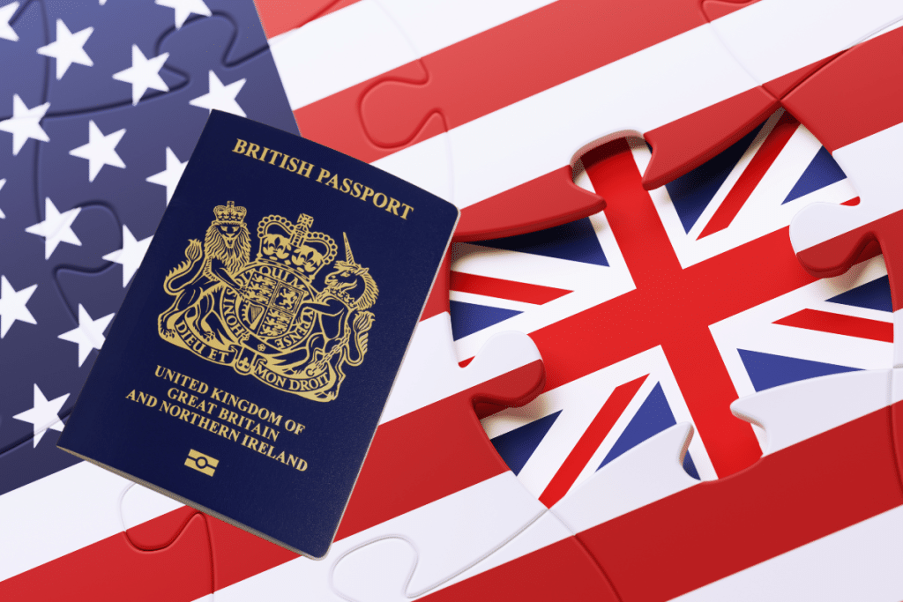
How to Choose Between Single and Dual Citizenship for Your Future
Deciding whether to keep just one passport or to add a second can feel like stepping onto a crossroads with no clear signs. Both options bring perks and pitfalls, and the right choice often hinges on personal circumstances—career plans, family ties, tax considerations, and even travel habits. Below we break down the key factors, so you can weigh them against your own goals and make a more confident decision.
Understanding the Basics
Single citizenship means you owe allegiance to one nation, abide by its laws, and enjoy the rights that come with a single passport. Dual citizenship (or multiple citizenships) grants you legal status in two (or more) countries simultaneously, letting you hold more than one passport.
Why People Pursue Dual Citizenship
- Travel flexibility – More passports often translate to visa‑free access to a broader range of countries.
- Economic opportunities – Some nations offer tax incentives, easier business registration, or favorable investment climates.
- Family considerations – Parents may want to secure the right to live, work, or study in a country where a spouse or children hold citizenship.
- Security and contingency – Having a backup nationality can be a safeguard if political instability or conflict disrupts life in your primary country.
Potential Drawbacks of Holding Two Passports
It’s not all sunshine. Dual citizenship can come with complications that are easy to overlook:
- Complex tax filing—some countries tax worldwide income, even if you don’t reside there.
- Military service obligations—certain nations require citizens to serve, regardless of where they live.
- Legal conflicts—dual nationals might face contradictory legal duties, such as differing inheritance laws.
- Travel hassles—some borders scrutinize dual nationals more closely, especially if the two countries have tense diplomatic relations.
Key Questions to Ask Yourself
1. How much do I travel?
If you’re a frequent globetrotter, the extra visa‑free routes can save time and money. For occasional travelers, the benefit may be negligible.
2. Where do I plan to work or invest?
Consider the business climate of each country. Some offer startup visas, lower corporate taxes, or grants for foreign investors—a compelling reason to obtain that second passport.
3>What are my family’s long‑term plans?
Having a child who can study abroad without a student visa, or a spouse who can work without a work permit, often justifies dual citizenship.
4) Am I comfortable navigating tax and legal obligations?
If the idea of filing returns in two jurisdictions feels overwhelming, you might prefer keeping things simple.
Country‑Specific Nuances
Not all nations treat dual citizenship the same way. Here are a few common scenarios:
- United States – Generally permits dual nationality, but expects tax filings on worldwide income.
- Germany – Typically discourages it; acquiring another passport may lead to loss of German citizenship unless you obtain permission.
- India – Does not allow dual citizenship, though Overseas Citizenship of India (OCI) offers limited rights.
- Canada – Embraces multiple citizenships with no extra tax burden beyond the usual residency rules.
Financial Implications at a Glance
Below is a quick snapshot of the fiscal side‑effects you might encounter:
- Income tax: Some countries, like the U.S., tax citizens on global earnings; others tax only resident income.
- Estate tax: Dual nationals may be subject to estate or inheritance taxes in both jurisdictions.
- Social security: Contributions might be required in both places, though totalization agreements can mitigate double payments.
Practical Steps If You Decide to Go Dual
1. Research eligibility – Each nation has distinct pathways (birthright, descent, naturalization, investment).
2. Consult a specialist – Immigration lawyers or tax advisors can flag hidden obligations.
3. Gather documentation – Birth certificates, proof of residence, clean criminal record, and financial statements often top the list.
4. Apply and wait – Processing times vary from a few months to several years; patience is part of the journey.
When Sticking With One Citizenship Makes Sense
If the disadvantages outweigh the perks for you, maintaining a single passport remains a solid choice. It simplifies legal compliance, reduces administrative costs, and eliminates the need to juggle multiple national loyalties.
Final Thought: No One‑Size‑Fits‑All Answer
Choosing between single and dual citizenship isn’t a decision you revisit daily, but it’s worth the upfront research. Map out your personal and professional roadmap, consult the experts, and let the pros and cons speak for themselves. In the end, the “right” choice aligns with where you see yourself thriving—not just today, but for the years ahead.