How to Choose the Right Pricing Model for Your SaaS Product
Pricing a SaaS offering feels a bit like setting the thermostat in a room you’ve never entered. Too low and you’ll stare at churn; too high and prospects bounce before they even read the feature list. The good news is there’s no one‑size‑fits‑all answer. By understanding the levers you control and the signals your market sends, you can craft a structure that feels fair to customers and sustainable for your business.
Start With the Value Equation
Before you stare at spreadsheets, ask yourself: what problem does your software solve, and how much is that problem worth to a buyer?
- Outcome‑focused – Think in terms of revenue uplift, time saved, risk reduced.
- Customer segment – A startup may value flexibility over depth, while an enterprise cares about compliance guarantees.
- Competitive landscape – If rivals charge per user, a usage‑based model could differentiate you.
When you can articulate the dollar impact of your solution, you’ll have a natural ceiling for what customers are willing to pay.
Common SaaS Pricing Models and When They Fit
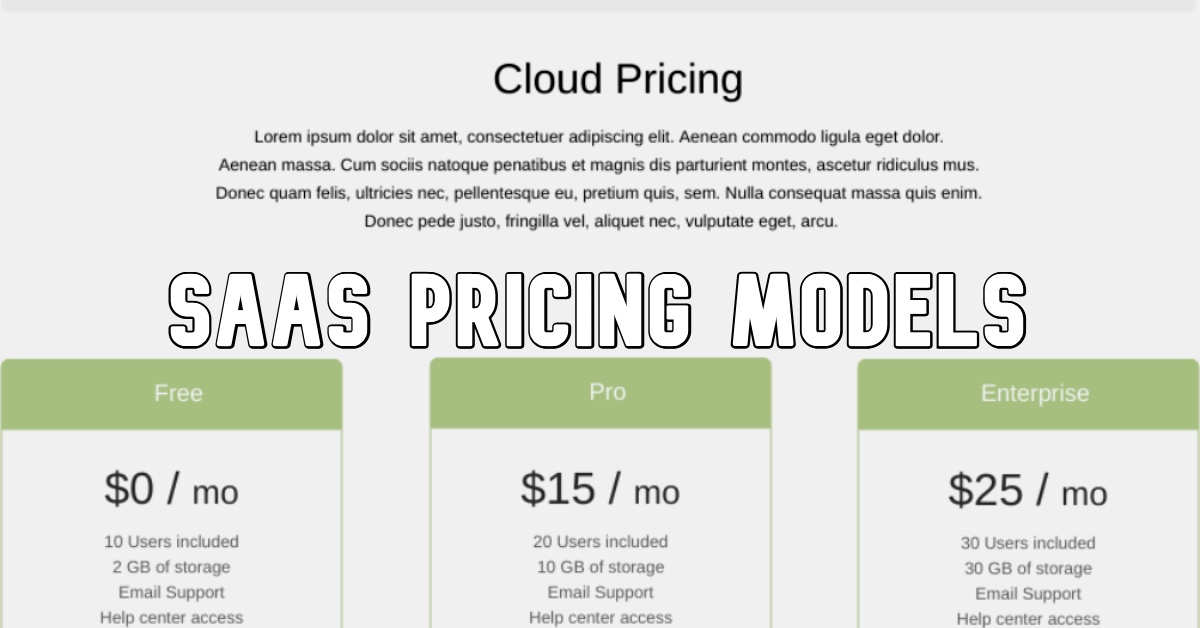
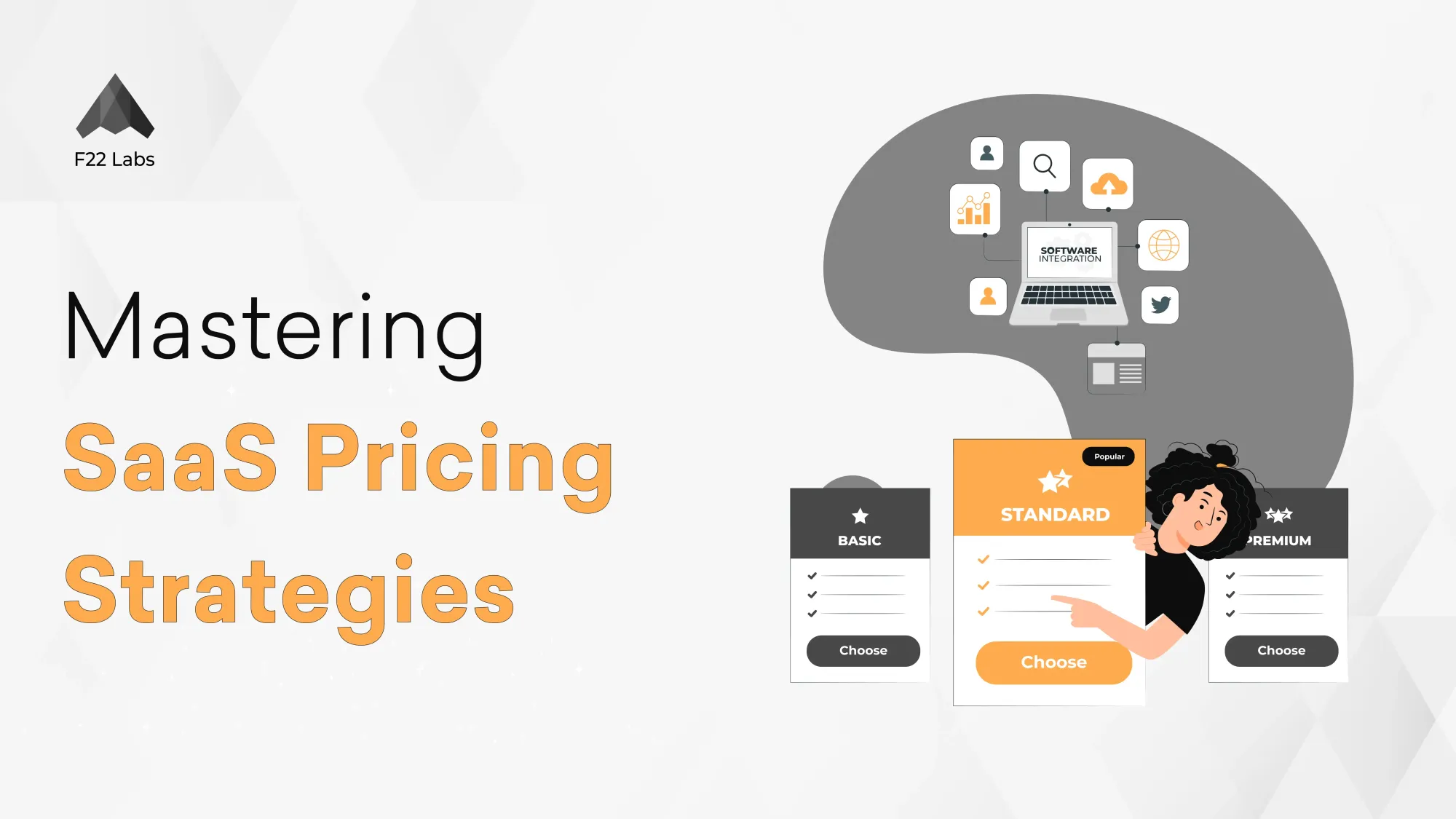
Flat‑Rate (Tiered) Plans
Simple, predictable, and easy to market. Ideal for products with a clear set of features that don’t vary much across users.
- Best for: consumer‑oriented tools, basic CRM, project management apps.
- Risk: May leave money on the table if power users need more capacity.
Per‑User / Per‑Seat Pricing
Charges each individual who logs in. It aligns revenue with company size, making scaling intuitive for both sides.
- Best for: collaboration platforms, HR software, help‑desk solutions.
- Risk: Can discourage adoption if teams fear hidden costs.
Usage‑Based (Pay‑As‑You‑Go)
Customers pay for what they consume—API calls, storage, transactions. It feels fair, especially for variable workloads.
- Best for: data‑intensive services, communications APIs, analytics engines.
- Risk: Revenue spikes can be unpredictable, complicating forecasting.
Feature‑Based (Add‑On) Pricing
Core functionality is bundled, and premium capabilities are sold separately. This lets you upsell without alienating budget‑conscious users.
- Best for: platforms with modular architecture, like marketing automation suites.
- Risk: Customers may feel “nickel‑and‑dimed” if the essential features are split off.
Blend Models for Flexibility
Many successful SaaS companies combine approaches—think a base per‑user fee plus a usage charge for extra storage. Hybrid structures let you capture baseline revenue while monetizing heavy consumption.
When you experiment with blends, keep the math simple. A confusing bill is a churn catalyst.
Test, Measure, Refine
Pricing isn’t a set‑and‑forget decision. Deploy A/B tests on landing‑page pricing tables, watch conversion curves, and monitor lifetime value (LTV) versus customer acquisition cost (CAC).
- Metric focus: churn rate, average revenue per user (ARPU), expansion MRR.
- Feedback loops: sales teams often hear objections that reveal price friction points.
- Iterate fast: a modest 5 % price tweak can shift your growth trajectory.
Psychology Tricks That Actually Work
Subtle cues can nudge prospects toward the plan you prefer without feeling pushy.
- Anchoring – Show a premium tier first; the middle tier looks more affordable by comparison.
- Charm pricing – End prices with .99 or .95; it often feels cheaper than a round number.
- Limited‑time offers – A short discount window creates urgency without devaluing the product.
Use these sparingly; over‑engineering the price page can backfire.
Legal and Operational Checks
Don’t let the excitement of a new model eclipse practicalities.
- Tax compliance across regions (VAT, sales tax).
- Contract terms—monthly vs. annual commitments, renewal clauses.
- Billing infrastructure—can your payment processor handle usage metering?
Skipping these steps often leads to nasty surprises down the line.
Final Thoughts on Getting It Right
There’s no magic formula, but a disciplined approach—start with value, match a model to your audience, test relentlessly, and keep the pricing experience frictionless—will get you far. Remember, the goal isn’t just to hit a price point; it’s to build a relationship where customers feel they’re getting a fair return and you’re capturing the upside of growth.