How to Experience Thrilling Jeep Off‑Road Adventures Across the Philippines
There’s something undeniably magnetic about the rumble of a Willys Jeep tackling steep, moss‑covered trails while the tropical heat drifts in from the jungle canopy. For many local riders and foreign visitors alike, off‑roading in the Philippines isn’t just a pastime—it’s a way to connect with the rugged soul of the archipelago. Below is a practical, down‑to‑earth guide that walks you through the essential steps, from choosing the right vehicle to picking the most rewarding routes.
Why the Willys Jeep Remains the Off‑Road Classic
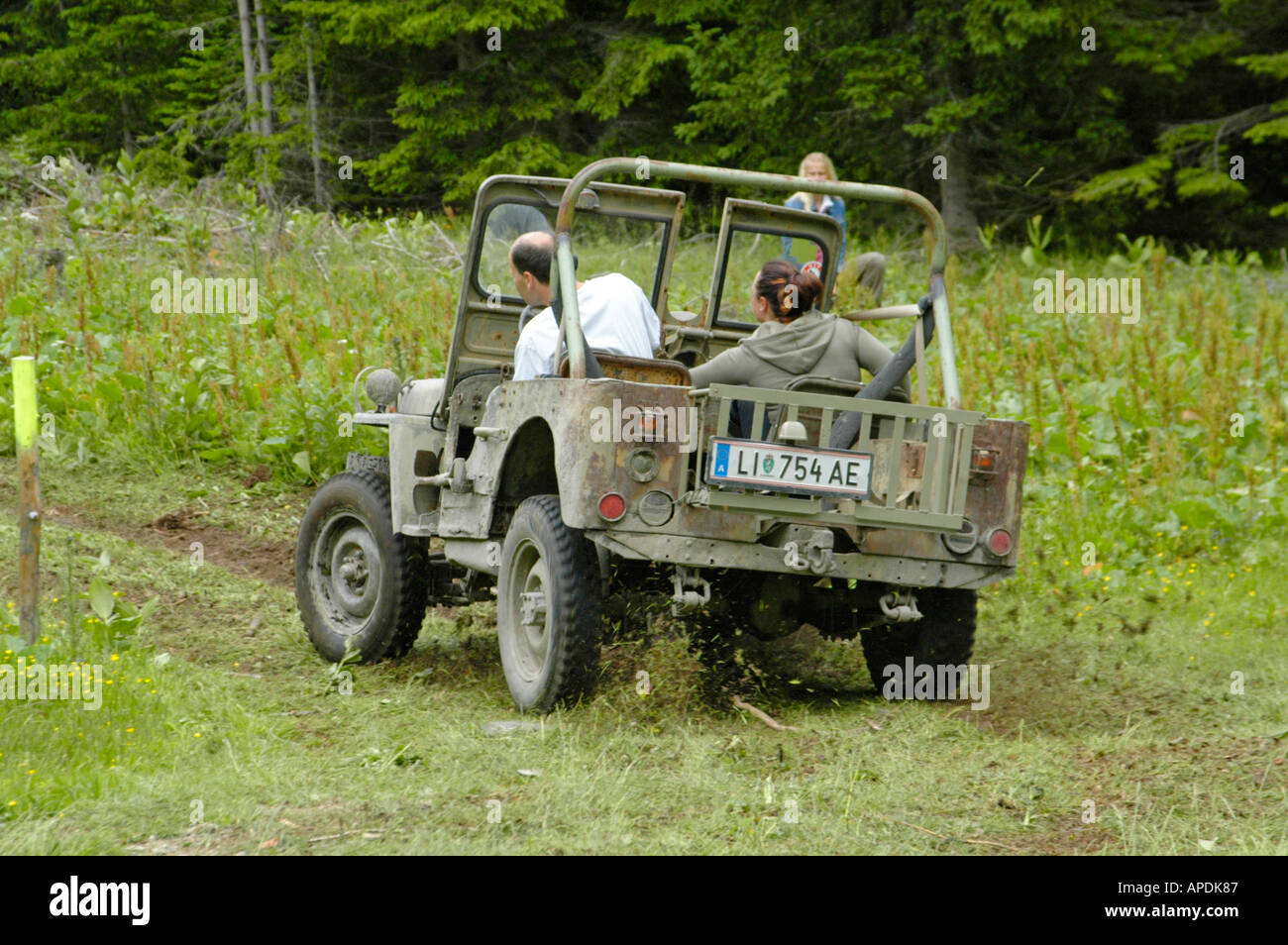
The Willys Jeep, with its iconic boxy silhouette and long‑standing reputation for durability, has earned a special place in Filipino off‑road culture. Its 4‑wheel‑drive system, high ground clearance, and simple, robust mechanics make it perfect for the country’s varied terrain—whether you’re climbing the volcanic slopes of Luzon or fording river crossings in Mindanao.
- Reliability: Fewer electronic components mean fewer breakdowns in remote areas.
- Adaptability: Aftermarket lifts, larger tires, and roll cages can be installed without major re‑engineering.
- Heritage: Owning a Willys feels like carrying forward a piece of post‑war history that still roars today.
Preparing Your Jeep for the Philippine Landscape
Before you set off, a quick checklist can save you from costly delays.
Essential Mechanical Checks
Inspect the following:
- Brake pads and fluid levels—steep descents demand reliable stopping power.
- Transmission oil—high‑torque climbs can strain gearboxes quickly.
- Cooling system—tropical humidity is unforgiving on overheating engines.
Safety Gear You Can’t Skip
A solid safety kit should sit alongside your spare tire. Think winch, recovery straps, a basic first‑aid pack, and a portable tire inflator. Many local clubs also recommend a compact fire extinguisher—just in case.
Choosing the Best Off‑Road Spots
The Philippines is a patchwork of islands, each offering its own flavor of adventure. Below are three standout regions that consistently rank high among Jeep enthusiasts.
1. Ifugao and the Cordillera Mountains
Steep switchbacks, bamboo forests, and rice terraces create a photogenic backdrop that rivals any European alpine pass. The iconic Kalinga‑to‑Bontoc trail offers a mix of river fording and rock hopping, ideal for a half‑day outing.
2. Bicol’s Volcano Belt
Mount Mayon’s perfect cone isn’t just for sightseers. The surrounding foothills host gravel tracks that test both traction and driver focus. Evening rides here often end with a view of the volcano’s glowing crater—an unforgettable reward.
3. Davao’s Southern Ranges
For those craving longer expeditions, the coastal‑to‑mountain routes near Davao blend mangrove crossings with rugged hillside climbs. The Mount Apo base camp trail is a favorite for multi‑day trips, especially when paired with a local guide.
Local Regulations and Etiquette
Off‑roading isn’t a free‑for‑all. Provincial governments issue permits for certain protected areas, and many community groups maintain trail stewardship programs. Here’s how to stay on the right side of the law and the locals.
- Secure a Provincial Environmental Permit before heading into reserves.
- Leave no trace: pack out every piece of trash, and avoid disturbing vegetation.
- Respect private farms—many trailheads cross agricultural land where owners expect visitors to stay on marked paths.
Connecting With the Community
One of the biggest perks of Jeep off‑roading in the Philippines is the tight‑knit community that forms around shared mud splatters. Joining a local club—such as the Philippine Off‑Road Association or regional groups like Mindanao Trail Riders—opens doors to group outings, mechanical workshops, and even discounted gear rentals.
Most clubs host monthly “Trail Tuesdays,” where seasoned drivers lead newcomers through beginner‑friendly routes. It’s a low‑pressure way to learn the quirks of each terrain while swapping stories over a cold soda.
Practical Tips for a Smooth Ride
Even the most prepared driver can run into hiccups. Keep these nuggets of wisdom in mind:
- Hydration matters: Pack at least 2 liters of water per person; humidity can sneak up on you.
- Timing is key: Early morning or late afternoon offers cooler temperatures and better lighting for navigation.
- Fuel strategy: Fill up in towns before heading into remote sections; stations can be sparse.
- Navigation tools: Combine a reliable GPS app with a paper map—signal loss happens more often than you’d think.
What to Expect on the Road
First‑time riders often describe the experience as “half adventure, half meditation.” The engine’s low‑grumble, the scent of wet earth, and the occasional sound of distant wildlife create an atmosphere that’s hard to replicate elsewhere. You might find yourself navigating a shallow river crossing only to be rewarded by a sudden clearing that reveals a panoramic view of rolling hills and distant seas.
Final Thoughts Before You Hit the Trail
If you’ve ever pictured a classic Jeep conquering the wild heart of the Philippines, now’s the moment to turn that picture into reality. With a well‑maintained Willys, a solid safety plan, and a respect for the land and its people, the islands’ rugged paths are ready to deliver the thrill you’ve been craving.