How to Finance a Lease: Essential Tips and Considerations
Leasing a vehicle, equipment, or even office space can feel like navigating a maze, especially when financing enters the picture. You’re not just signing a rental agreement; you’re committing to a structured payment plan that will affect your cash flow and credit profile. Below, we break down the key elements you should weigh before locking in a financed lease.
Understanding the Basics of a Financed Lease
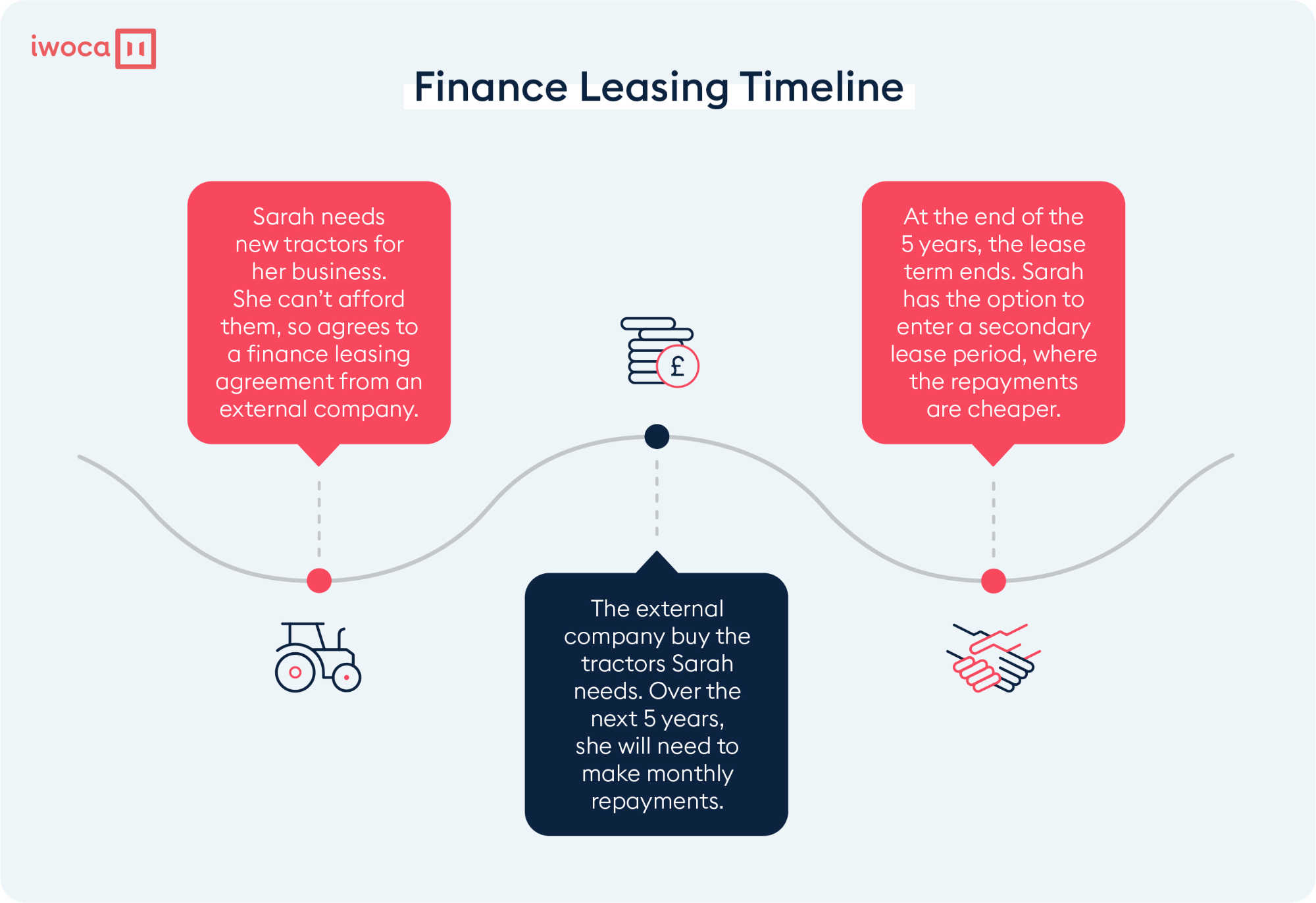
A financed lease differs from a traditional loan in that you’re essentially renting the asset for a set term while paying interest on the “lease value.” At the end of the period, you may have options such as purchasing the asset, returning it, or extending the lease.
- Lease term: Usually 24–60 months, depending on the asset.
- Capitalized cost: The negotiated price of the asset, which becomes the basis for your monthly payments.
- Residual value: The estimated worth of the asset at lease end, influencing the total cost.
- Money factor: The lease’s equivalent of an interest rate, often expressed as a small decimal.
Why Choose a Financed Lease?
Financing a lease can make high‑priced items more accessible without a massive upfront outlay. It also offers flexibility—if your needs change, you can upgrade or switch assets without the hassle of selling.
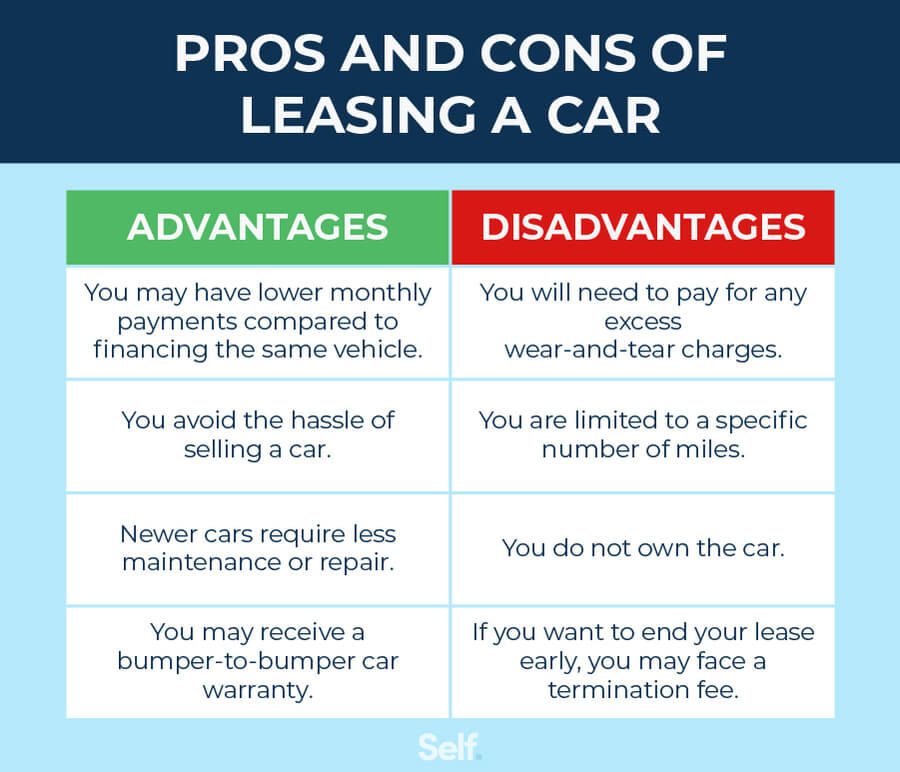
That said, the savings aren’t automatic. You must compare the total cost of a lease against a purchase, factoring in taxes, fees, and any mileage or usage limits that could trigger penalties.
Key Factors to Evaluate Before Signing
1. Money Factor vs. APR
Many borrowers focus on the monthly payment alone, overlooking the money factor. Convert it to an annual percentage rate (APR) by multiplying by 2,400. This conversion helps you compare the lease’s financing cost with conventional loans.
2. Down Payment and Up‑Front Fees
Some lessors ask for a sizable down payment to lower monthly installments. While that reduces cash‑flow pressure later, it also ties up capital that could earn interest elsewhere. Weigh the trade‑off carefully.
3. Mileage and Usage Limits
Vehicle leases often cap annual mileage; exceeding it incurs per‑mile charges. Equipment leases may limit operating hours. Estimate your actual usage and add a buffer to avoid surprise fees.
4. Early Termination Penalties
Life happens—maybe you need to scale down or relocate. Most contracts penalize early termination heavily. Look for clauses that allow lease transfers or buy‑out options with reasonable costs.
5. Tax Implications
In many jurisdictions, lease payments are fully deductible as a business expense, while purchasing may require depreciation schedules. Consult a tax professional to see which route offers a better break‑even point for your situation.
Step‑by‑Step Guide to Securing a Financed Lease
- Assess Your Needs. Pinpoint the asset’s specifications, expected usage, and the duration you’ll need it.
- Check Your Credit. A higher credit score usually nets a lower money factor and more favorable terms.
- Gather Quotes. Approach multiple lessors, request itemized breakdowns, and ask about promotional rates.
- Negotiate the Capitalized Cost. Treat the lease like a purchase—push for the lowest possible asset price before the money factor is applied.
- Review the Contract. Pay special attention to hidden fees, wear‑and‑tear clauses, and the buy‑out price at lease end.
- Finalize and Sign. Once satisfied, arrange any required down payment and set up automatic payments to avoid missed dues.
Common Pitfalls and How to Avoid Them
- Focusing Solely on Monthly Payments. A low payment might mask a high overall cost due to excessive fees or an inflated money factor.
- Ignoring the Residual Value. If the residual is set unrealistically low, the buy‑out price could be a bargain—but the lease payments will be higher to compensate.
- Overlooking Insurance Requirements. Some lessors demand higher coverage limits, which can add to your monthly outlay.
When Buying Might Be the Smarter Choice
If you anticipate using the asset well beyond the typical lease term, or if you plan extensive customization, purchasing could be more cost‑effective. Additionally, owners can benefit from equity buildup—a factor absent in most lease arrangements.
Bottom Line
Financing a lease offers a blend of flexibility and manageable cash flow, but it’s not a one‑size‑fits‑all solution. By dissecting the money factor, residual value, and contract terms, you can decide whether a lease aligns with your financial goals. Take the time to crunch the numbers, negotiate the capitalized cost, and read the fine print—your future self will thank you.