How to Find Long‑Term Apartment Rentals in Bangkok: The Ultimate Guide
Bangkok’s skyline has grown into a mosaic of high‑rise apartments that promise convenience, connectivity, and a cosmopolitan lifestyle. Whether you’re a corporate expatriate, a digital nomad, or a family looking to settle for a year or more, navigating the long‑term rental market can feel like chasing a moving target. This guide cuts through the noise, offering practical steps, insider tips, and common pitfalls to help you lock down a space that feels like home.
Why Bangkok is a Magnet for Long‑Term Rentals
Thailand’s capital is more than a tourist hotspot; it’s a hub for international business, education, and cultural exchange. A robust public transportation network, including the BTS Skytrain and MRT subway, links districts from the bustling Siam area to the quieter, tree‑lined lanes of Khlong Toei. The city’s economy remains resilient, and the cost of living is surprisingly affordable compared to other Southeast Asian capitals. All these factors combine to keep demand for long‑term apartments high, creating a dynamic rental market that rewards informed renters.
Key Factors to Consider Before Signing a Lease
- Budget and Utilities – Many landlords quote rent exclusive of water, electricity, and internet. Clarify how these costs are calculated and whether they’re included in the monthly fee.
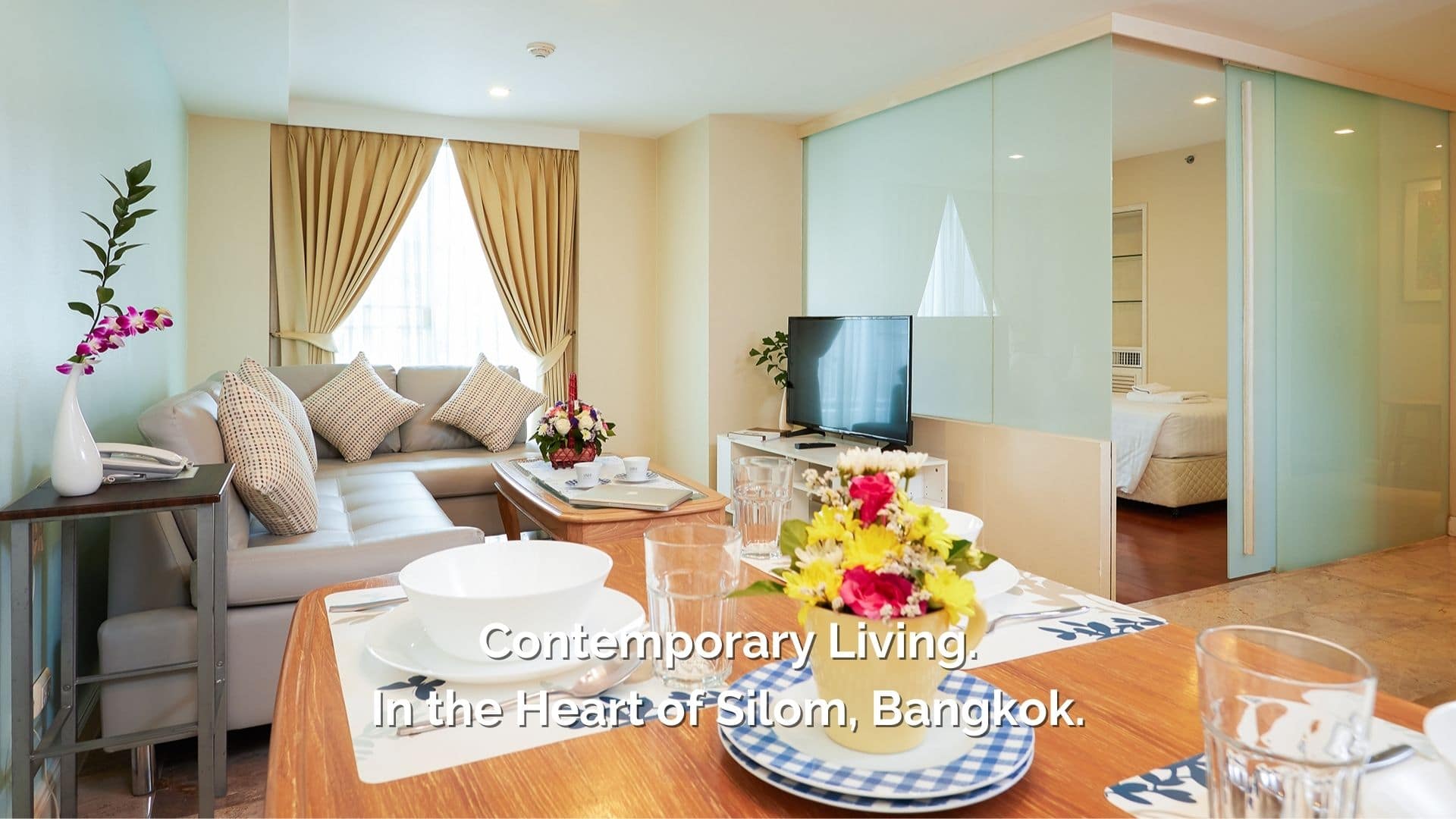
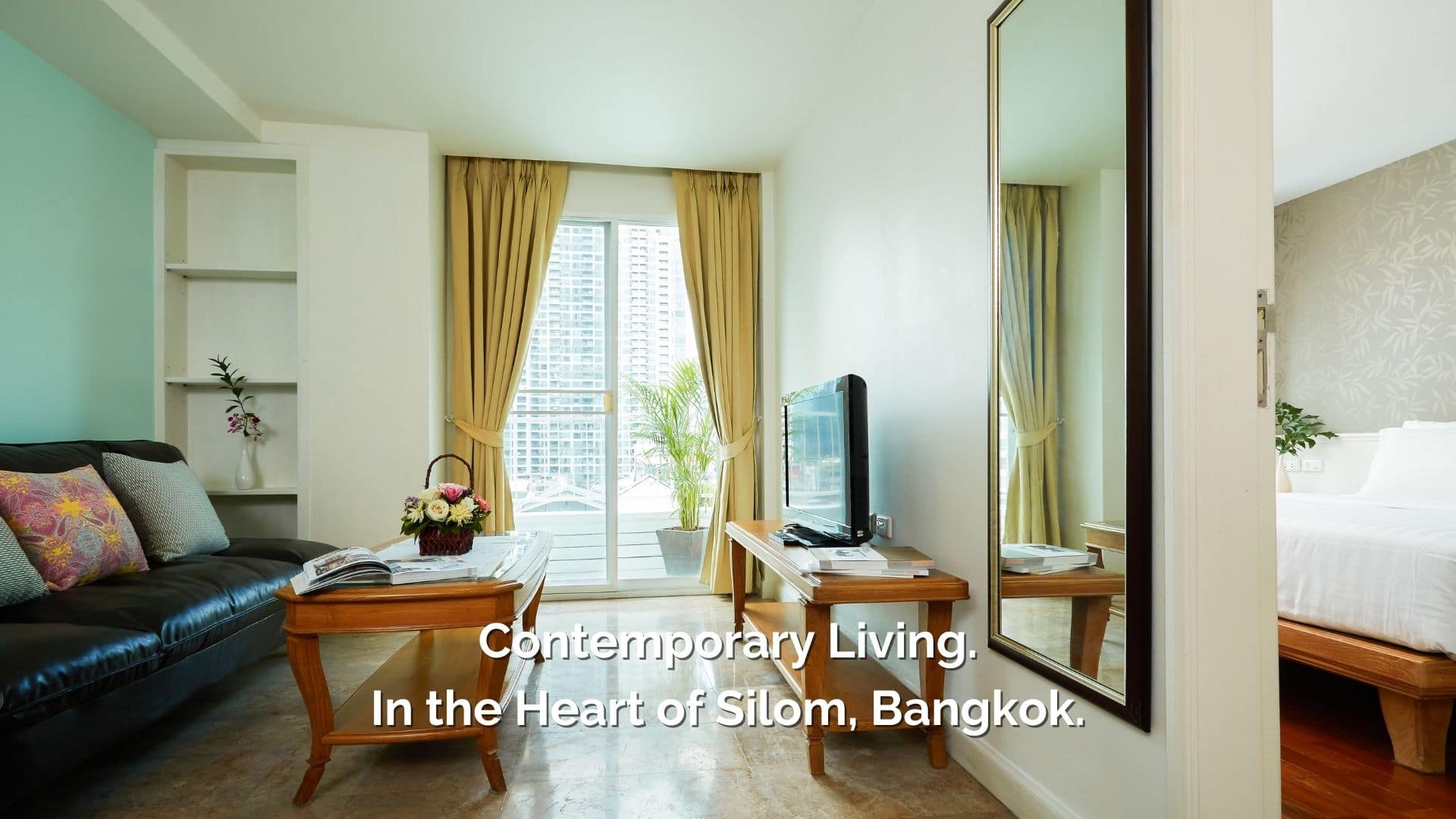
- Location vs. Lifestyle – Central districts (Sukhumvit, Silom) offer easy access to work and nightlife but command higher rents. Suburban areas like Phra Khanong or Thung Si Udom offer quieter living and cheaper prices.
- Lease Term Flexibility – Long‑term leases can range from six months to a year or more. Check for options to renew or upgrade as your needs change.
- Building Amenities – Gym, pool, security, and on‑site maintenance can add value, especially in high‑rise towers.
- Neighborhood Safety – Research crime rates and the presence of local services such as supermarkets, hospitals, and schools.
Finding the Right Apartment: Online, Offline, and Hybrid Approaches
The digital age has made apartment hunting a click away, yet nothing beats a local touch.
- Online Portals – Sites like Hipflat, DDproperty, and Thailand Apartment aggregate listings with filters for price, size, and amenities.
- Real‑Estate Agents – A reputable agent can negotiate terms, handle paperwork, and even offer move‑in packages. Look for agents with verified reviews and local licensing.
- Expat Communities – Facebook groups and forums such as “Bangkok Expat” often share personal experiences and hidden gems that aren’t listed publicly.
- Walk‑Throughs – Always visit the apartment in person, ideally during different times of day, to assess noise, light, and overall condition.
Legalities and Lease Details: Protecting Your Investment
A clear lease protects both tenant and landlord. Key points to verify:
- Contract Language – Contracts may be in Thai or English. If you’re not fluent, request an English translation or bring a bilingual friend.
- Deposit Structure – Most leases require a 2–3 month deposit plus the first month’s rent. Confirm the return policy and any damage deductions.
- Subletting Rules – If you plan to move out before the lease ends, understand the subletting policy or the process for early termination.
- Insurance Requirements – Some landlords require tenants to purchase renter’s insurance; verify what coverage is mandatory.
- Maintenance Responsibilities – Clarify who handles repairs, pest control, and common area upkeep.
Moving In and Settling Down: From Packing to Personalizing
Once the contract is signed, the real work begins. Here’s a checklist to make your transition smooth.
- Utilities Activation – Arrange electricity, water, and internet before your arrival. Many landlords provide a starter kit or recommend local providers.
- Security Measures – Change door locks and install additional locks if desired. Register with the local police station if required.
- Local Registry – Expatriates must register their residence with the Royal Thai Police within 30 days of moving in.
- Community Engagement – Introduce yourself to neighbors and learn building rules. A friendly rapport can aid in quick repairs and community events.
- Personalization – While many leases allow non‑permanent decor, check that paint and hanging are permissible. Consider temporary wall coverings that won’t damage paint.
Avoiding Common Pitfalls in Long‑Term Rentals
Even seasoned renters stumble. Here are the top missteps to steer clear of.
- Ignoring Hidden Fees – Always read the fine print. Some leases charge for Wi‑Fi or for using shared amenities.
- Skipping a Walk‑Through – You may discover mold, faulty wiring, or plumbing issues only after moving in. A pre‑move inspection saves headaches.
- Overlooking Lease Renewal Terms – If you plan to stay longer, negotiate a renewal clause that locks in rent or outlines rent‑increase thresholds.
- Neglecting Security Deposits – Ensure the landlord provides a receipt and that the deposit is held in a separate account to safeguard against arbitrary deductions.
- Assuming “All Inclusive” Means No Problems – Even with all utilities covered, maintenance can still fall to the tenant if the lease states it.
Frequently Asked Questions
- What documents are required to rent an apartment in Bangkok? Most landlords ask for a passport, visa copy, employment letter, and sometimes a local reference. A signed lease and