How to Find the Ideal Tire Pressure for Your Toyota Yaris
When it comes to everyday driving, the Toyota Yaris often flies under the radar—compact, efficient, and surprisingly easy to love. Yet many owners overlook a simple, cost‑free tweak that can boost fuel economy, extend tyre life, and improve handling: the right tyre pressure. Below we explore the science behind tyre inflation, walk through the steps to set the perfect pressure for your Yaris, and share a few troubleshooting tips that even seasoned drivers might not know.
Why Tyre Pressure Matters More Than You Think
Tyres are the only contact point between your car and the road. Their inflation level dictates how that contact patch behaves, influencing several key performance factors:
- Fuel efficiency: Under‑inflated tyres increase rolling resistance, meaning the engine has to work harder.
- Ride comfort: Too much air makes the ride harsh; too little makes it squishy and noisy.
- Safety: Proper pressure ensures predictable braking distances and stable cornering.
- Tyre wear: Uneven pressure leads to premature tread wear on the shoulders or centre.
Research from the National Highway Traffic Safety Administration (NHTSA) shows that for every 1 psi below the recommended pressure, fuel consumption can rise by up to 0.3 %. Over a year, that adds up.
Where to Find the Manufacturer’s Recommended Pressure
The first step is locating the factory‑specified figure. It’s not hidden in the owner’s manual’s fine print; instead, look for the tyre information placard on the driver’s side door jamb. You’ll see something like:
- Front tyres: 33 psi (227 kPa)
- Rear tyres: 33 psi (227 kPa)
Those numbers are given for a cold tyre—meaning the car has been parked for at least three hours or driven less than a mile. If you frequently carry heavy loads or drive at high speeds, the placard might list a secondary “full‑load” pressure; keep that in mind for weekend road trips with extra baggage.
Step‑by‑Step Guide to Setting the Perfect Pressure
1. Gather the right tools
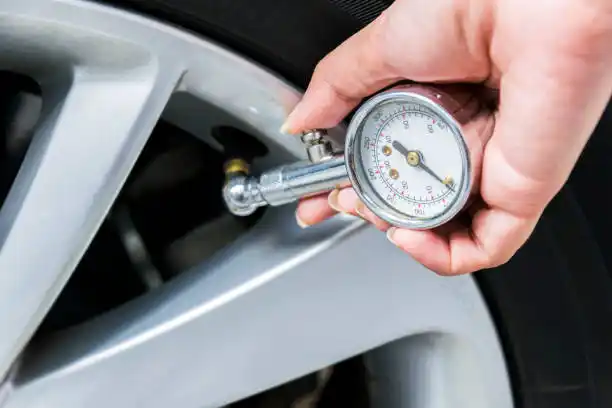
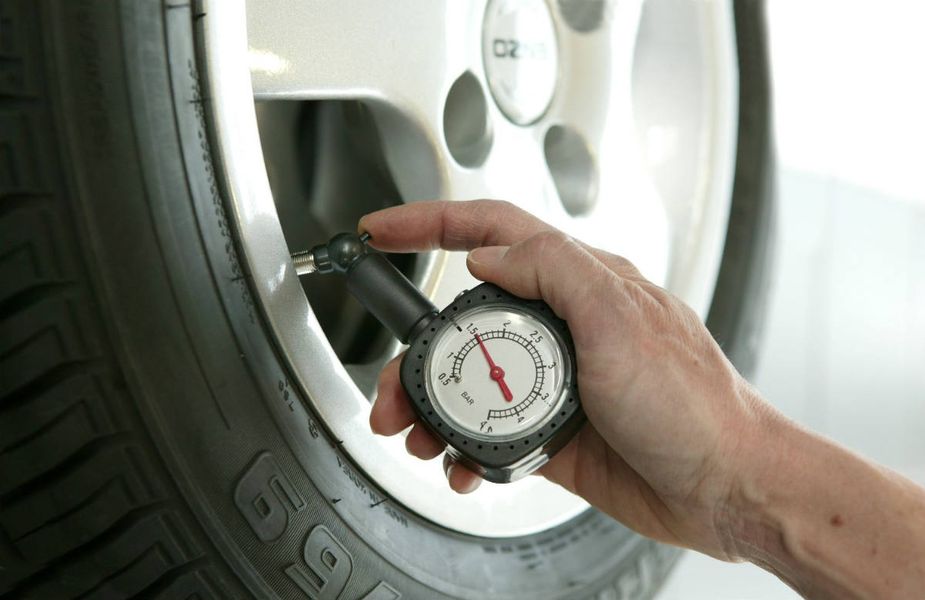
A digital tyre gauge is worth the modest investment; it provides readings to within 0.1 psi. If you prefer a manual option, a reliable analog gauge works too, just be sure to calibrate it occasionally.
2. Check the tyres when they’re cold
Tyres heat up quickly once you start driving, and the air inside expands. Measuring them while warm can give a reading 3–5 psi higher than the true cold pressure, leading you to under‑inflate later on.
3. Remove the valve cap and press the gauge
Place the gauge’s head firmly over the valve stem. A quick, firm press will prevent air from escaping and give you a stable reading.
4. Adjust as needed
- If the reading is low, add air using a compressor—most gas stations have a “free” pump, though the flow rate may be slow.
- If it’s high, press the small metal pin in the valve stem to release air in short bursts, re‑checking after each release.
5. Replace the valve cap
It sounds trivial, but the cap protects the valve from dirt and moisture, which can cause leaks over time.
Special Situations for the Yaris
While the baseline pressure works for most daily drives, certain conditions merit a tweak:
- Winter driving: Cold air contracts, dropping pressure by roughly 1 psi for every 10 °F drop. Add a couple of psi if you live in sub‑zero climates.
- Full load: If you’re hauling roof racks, luggage, or multiple passengers, boost the rear pressure by 2–3 psi above the standard figure.
- Performance driving: On winding roads, a slight increase (1–2 psi) can sharpen response, but be careful not to exceed the tyre’s maximum sidewall rating.
Common Myths Debunked
There’s a lot of folklore floating around garages and online forums. Here’s a quick reality check:
- Myth: “If the tyre looks flat, it must be under‑inflated.”
Fact: Visual cues are unreliable; tyre walls can appear plump even when low. - Myth: “You should inflate to the number printed on the tyre sidewall.”
Fact: Those numbers indicate the maximum safe pressure, not the optimal operating pressure for your specific vehicle. - Myth: “Checking pressure once a month is enough.”
Fact: Tyres naturally lose about 1 psi per month, plus more with temperature swings, so a bi‑weekly check is wiser.
When to Replace Tyres Despite Correct Pressure
Even perfect inflation won’t save a tyre that’s worn beyond safe limits. Look for these signs:
- tread depth under 2/32 in (visible with a penny test)
- sidewall cracks or bulges
- vibration that persists after pressure adjustment
If any of these appear, schedule a replacement—preferably matching the original size and speed rating for consistency.
Quick Reference Table for the 2022–2024 Toyota Yaris
| Condition | Front Pressure | Rear Pressure |
|---|---|---|
| Standard daily drive (cold) | 33 psi | 33 psi |
| Winter (‑10 °F) | 35 psi | 35 psi |
| Full load (roof rack + luggage) | 33 psi | 36 psi |
| Sporty cornering | 34 psi | 34 psi |
Final Thoughts
Getting the tyre pressure right on your Toyota Yaris is a small habit that pays big dividends. It’s not just about following a number on a sticker; it’s about understanding how temperature, load, and driving style interact with those digits. Keep a gauge in the glove box, make a habit of checking every couple of weeks, and you’ll notice smoother rides, better fuel numbers, and tyres that last longer. In the end, a few minutes of attention each month can keep your compact companion performing at its best for years to come.