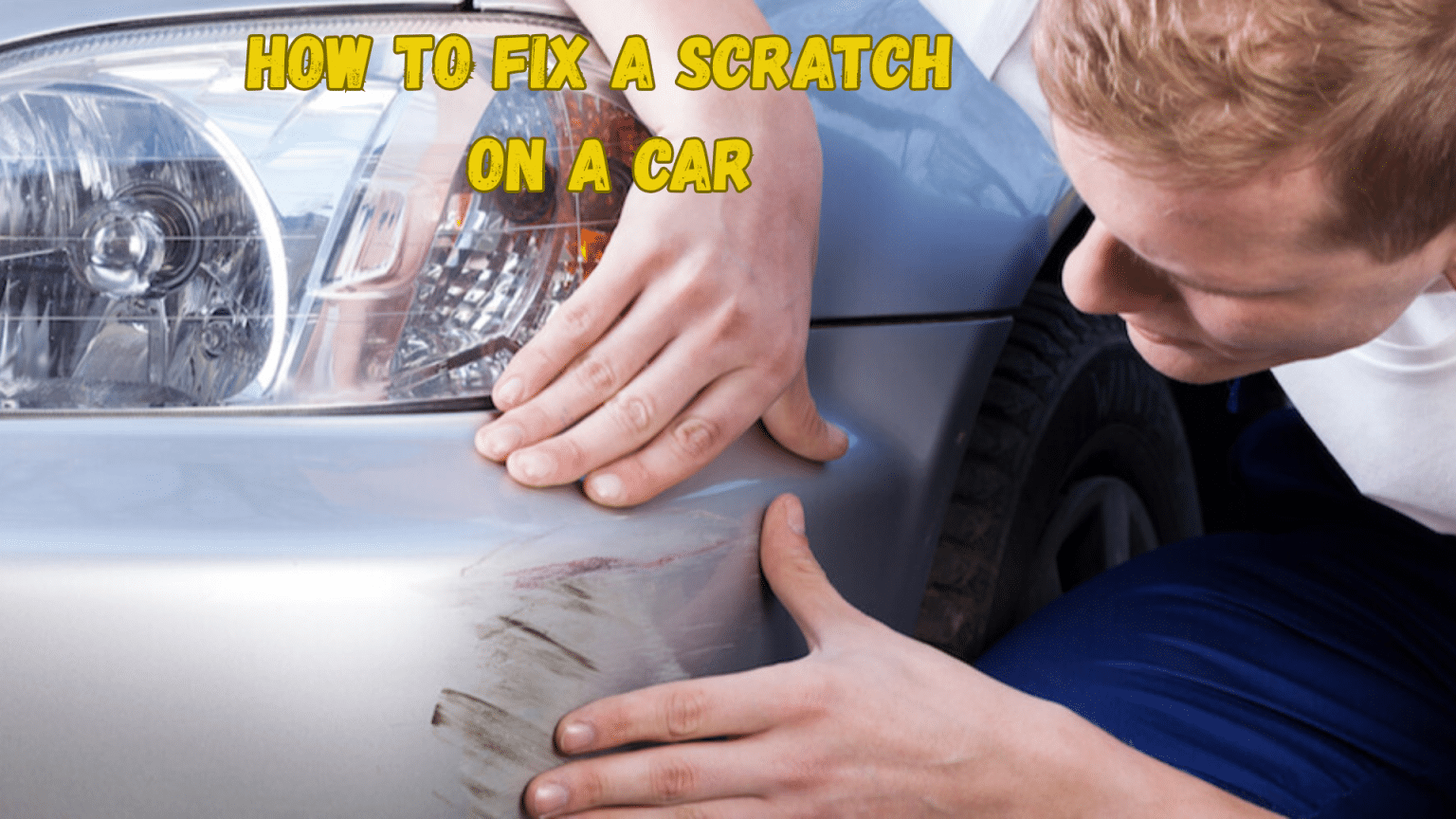
How to Fix Car Scratches Yourself: Simple Steps and Pro Tips
Got a fresh line on your paint job and the thought of a costly body shop visit makes you wince? You don’t have to.
Gather the Right Tools
- Micro‑fiber cloths – for cleaning and wiping.
- Automotive touch‑up paint – match the color code exactly.
- Fine‑grit sandpaper (2000‑3000 grit) – only if the scratch is deeper.
- Clear coat spray or pen – protects the repaired area.
- Polish compound – gives the finish that glossy look.
Step‑by‑Step Repair Process
1. Clean the Area Thoroughly
Start by washing the scratched spot with soap and water, then dry it completely. Any dust or oil will ruin the adhesion of paint and clear coat.
2. Assess the Scratch Depth
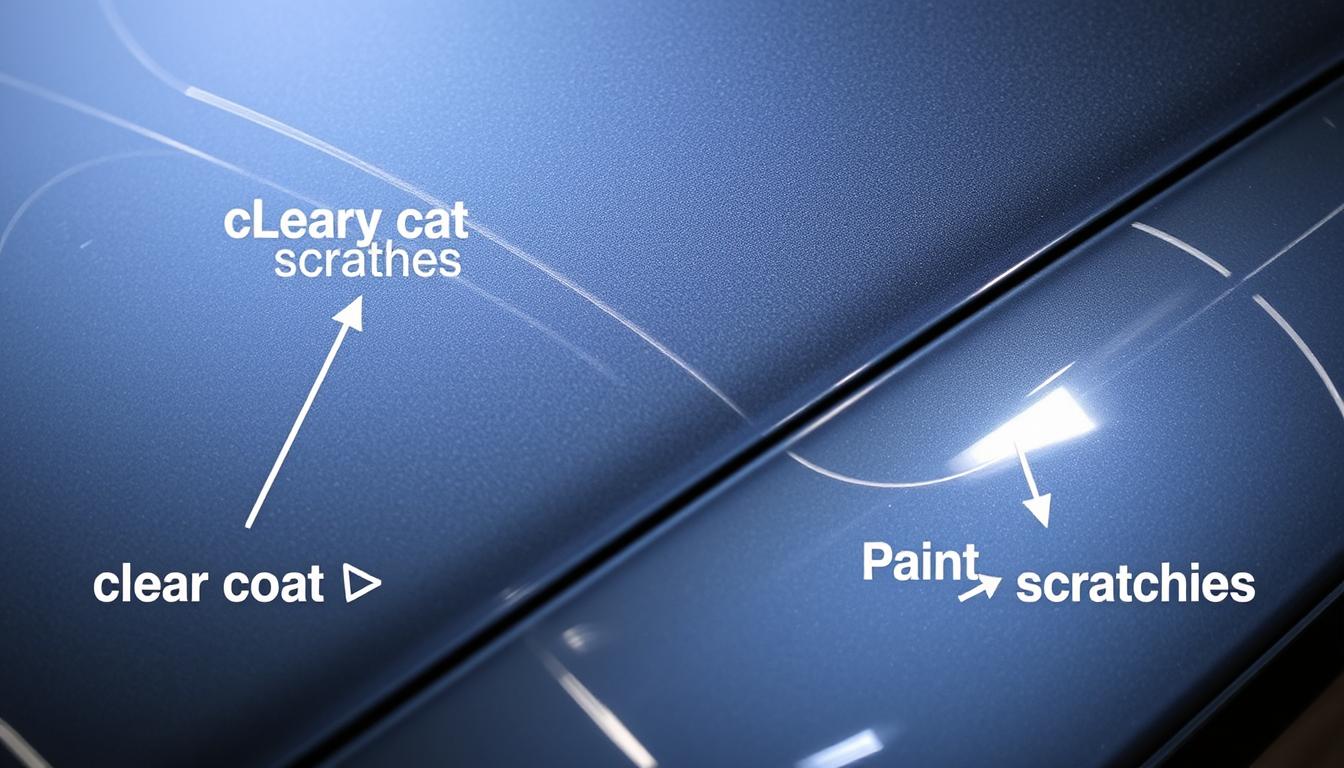
If the mark is only in the clear coat, the job is relatively easy. If you can see the underlying metal or primer, you’ll need a bit more prep, including gentle sanding.
3. Light Sanding (When Needed)
For deeper scratches, lightly run 2000‑grit sandpaper over the edge of the mark, using a back‑and‑forth motion. The goal is to smooth the edges, not to strip away paint.
4. Apply Touch‑Up Paint
Shake the paint bottle well, then dab a tiny amount onto a fine tip applicator. Apply in thin layers, letting each coat dry for a few minutes. Patience here prevents drips and uneven color.
5. Seal with Clear Coat
Once the color has cured (usually 10‑15 minutes), spray or brush a thin layer of clear coat. This shields the repair from UV rays and gives it shine.
6. Polish the Finished Spot
After the clear coat has hardened (about 30 minutes), use a small amount of polish compound on a clean micro‑fiber cloth. Work it in circular motions until the repaired area blends with the surrounding paint.
Pro Tips You Might Not Know
- Use a toothpick for extremely fine scratches—its tip offers better control than a brush.
- Warm the paint bottle in your hands before applying; warmer paint flows more evenly.
- Test on a hidden panel first to ensure color match before tackling the visible scratch.
- Work in shade or a garage; direct sunlight can cause the paint to dry too fast, leading to bubbles.
When to Call the Professionals
Even the best DIY effort has limits. If the scratch reaches the metal, shows rust, or the paint flakes off, a professional’s prep work and blending techniques will be needed to avoid long‑term damage.
With the right materials and a bit of patience, most surface scratches can be erased without a shop visit. Give it a try, and you might just save a few hundred dollars—and earn a little pride in the process.