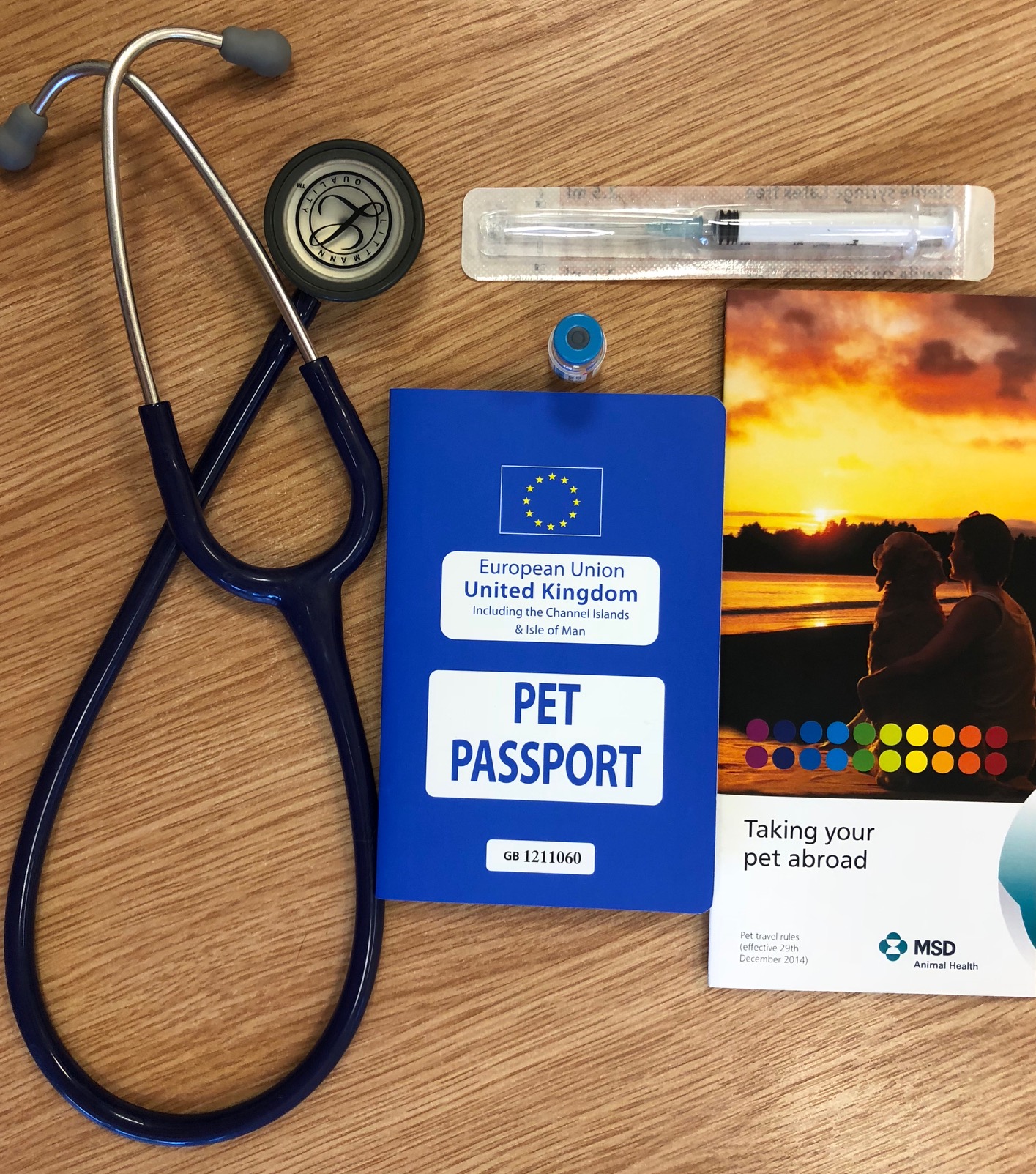
How to Get a Pet Passport in the UK: A Simple Step‑by‑Step Guide
Planning a road trip across the Channel or a beach holiday in the south of France? Your four‑legged companion will need the right paperwork, and that starts with a pet passport in the UK. Below is a down‑to‑earth rundown of who qualifies, what you’ll need, and how to avoid the usual headaches.
Why a Pet Passport Matters
A pet passport is essentially a record of your animal’s health status—microchip number, rabies vaccination, and any treatments required for travel. It lets you cross borders without being stopped for additional checks, and it’s recognised by most European Union members, Norway, Switzerland, and a handful of other countries. Without it, you may be turned back at the border or forced to quarantine.
Eligibility and Required Documents
Not every pet can be issued a passport straight away. Here’s what the UK government looks for:
- Species: Dogs, cats, and ferrets only.
- Microchip: A 15‑digit ISO‑compliant microchip implanted before the rabies jab.
- Rabies vaccination: Administered after microchipping and still valid (usually one year).
- Tapeworm treatment: Required for dogs traveling to certain countries, given 24–120 hours before departure.
If your pet already has a UK pet passport issued before 1 January 2021, it remains valid for travel to non‑EU countries that still accept the document. For trips to the EU, you’ll need a new official veterinary certificate instead.
Step‑by‑Step Process
Follow these four stages to secure a fresh passport or a replacement:
1. Schedule a vet appointment
Choose a veterinary practice that is authorised to issue pet passports. Not every clinic has the necessary licensing, so a quick phone call can save you a trip.
2. Confirm microchip and vaccination status
The vet will scan the chip, confirm it matches the pet’s records, and either update the vaccination date or give a fresh rabies injection if the current one has expired. Remember, the vaccine must be given after the microchip is implanted.
3. Complete the paperwork
The veterinarian fills out the passport form, noting the microchip number, vaccine details, and any additional treatments. You’ll sign the document, and the vet stamps it with their official licence number.
4. Collect the passport
In most cases, the passport is ready the same day. For some practices, especially if a blood test is required for certain breeds, it might take a week. Keep the passport in a safe place, but always travel with it.
Special Cases: Travel to the EU After Brexit
Since the UK no longer issues EU‑wide pet passports, you’ll need a Veterinary Health Certificate (VHC) for trips to EU member states. The VHC is valid for up to 10 days after issuance and covers travel for four months. Your vet can issue the VHC alongside—or instead of—a UK passport, depending on your itinerary.
Common Pitfalls to Avoid
- Missing the microchip window: The chip must be placed before the rabies shot; doing it the other way around invalidates the passport.
- Out‑of‑date vaccinations: A rabies jab that expired even a day before travel will be rejected.
- Incorrect treatment timing: Tapeworm medication for dogs must be administered within the 24‑ to 120‑hour window before entering a country that requires it.
- Assuming a UK passport works everywhere: It’s still useful for Norway, Switzerland, and a few other nations, but not for the EU.
Cost and Time Considerations
Most vets charge between £35 and £70 for a new pet passport, reflecting the administrative work and the cost of any needed vaccinations. If you need a VHC for EU travel, add roughly £30 to the bill. Expect the whole process to take an hour at the clinic, unless you need a blood test for certain breeds, which can add a few days.
What to Do If Your Passport Is Lost or Damaged
Report the loss to your vet immediately. They’ll issue a replacement, but you’ll need to provide proof of the original microchip and vaccination records. In practice, a replacement takes a day or two, but bring a copy of any supporting documents to avoid delays at the border.
FAQ
Do I need a pet passport for a short ferry trip within the UK?
No. Domestic travel between England, Scotland, Wales, and Northern Ireland doesn’t require a passport, though microchipping and up‑to‑date vaccinations are still recommended.
Can I travel with a cat to the EU using a UK pet passport?
Only if the passport was issued before 1 January 2021 and is still valid. Otherwise, you’ll need a Veterinary Health Certificate.
How far in advance should I arrange my pet’s paperwork?
At least two weeks before departure is wise. This buffer covers any unforeseen retesting or paperwork errors.
Are there any breeds that need extra testing?
Yes, certain brachycephalic (short‑snouted) dogs and cats may require a blood test to confirm rabies antibody levels before travel.