Why Soil Amendments Matter for Your Healthier Garden
When you pull a weed or plant a seed, you’re really testing the ground beneath your feet. A garden that thrives isn’t just lucky; it’s the result of careful soil amendment work. Below we’ll walk through what soil amendments are, how they differ from fertilizers, and why they’re a cornerstone of sustainable gardening.
What Counts as a Soil Amendment?
In the simplest terms, a soil amendment is any material added to soil to improve its physical or chemical properties. Unlike fertilizers, which mainly supply nutrients, amendments target texture, drainage, aeration, and even microbial life.
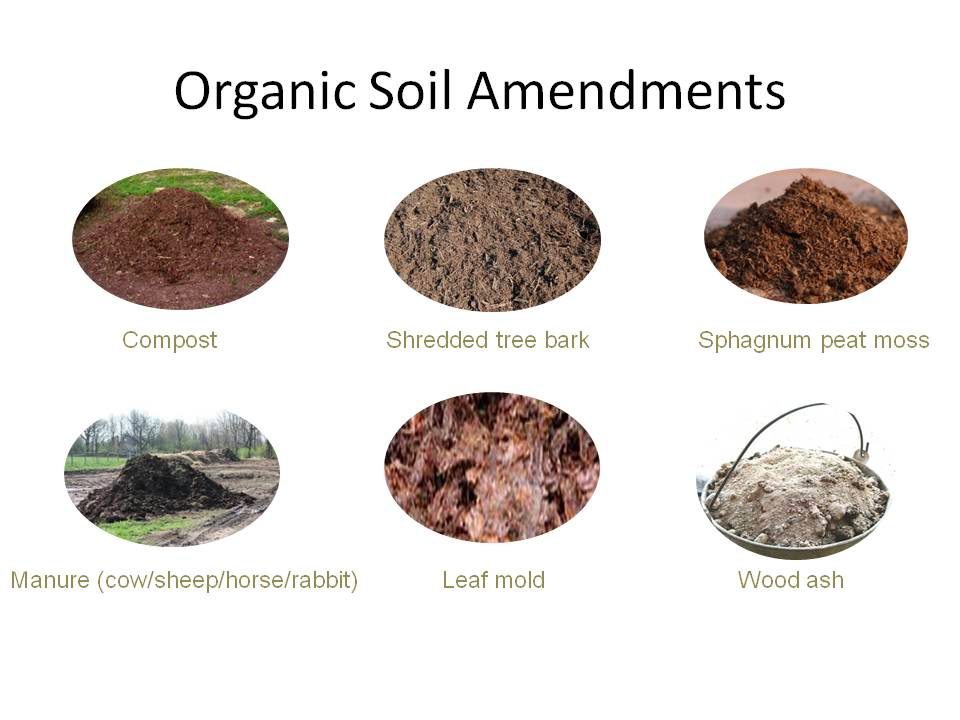
- Organic matter – compost, leaf mould, and well‑rotted manure.
- Inorganic additives – perlite, vermiculite, sand, and gypsum.
- Mineral boosters – lime to raise pH, sulfur to lower it.
Each type works in its own way, and most gardeners end up using a blend tailored to their soil’s quirks.
How Amendments Change Soil Structure
Think of soil as a sandwich. The bread slices are mineral particles, while the filling is organic material and air. Amendments tweak the layers:
- Improved drainage – Adding sand or perlite creates larger pores, letting excess water escape.
- Better water retention – Compost and peat hold moisture, keeping roots hydrated during dry spells.
- Enhanced aeration – Coarse materials prevent compaction, ensuring roots get oxygen.
- pH balance – Lime or sulfur nudges the soil’s acidity toward the sweet spot for most vegetables.
These shifts may sound subtle, but the impact on plant health can be dramatic.
Choosing the Right Amendment for Your Soil
Before you toss a bag of anything into the garden, a quick soil test—whether a DIY kit or a lab sample—will tell you what’s missing.
Clay‑Heavy Soil
Clay holds water like a sponge, often leading to soggy roots. Incorporate:
- Coarse sand (not beach sand) – about 10‑20% of the topsoil volume.
- Organic compost – improves crumb structure.
Sandy Soil
Sandy mixes drain fast but forget water and nutrients. Try:
- Well‑rotted manure – adds both nutrients and moisture‑retaining capacity.
- Peat moss or coconut coir – boosts water holding power.
Acidic Soil
If the pH reads below 6.0, consider a gentle raise with:
- Ground limestone – apply according to test recommendations.
- Wood ash (in moderation) – also supplies potassium.
Alkaline Soil
When pH climbs above 7.5, lower it with:
- Sulfur or elemental sulfur – works slowly, perfect for long‑term adjustment.
- Compost made from acidic leaf litter – a natural, slower‑acting option.
When to Apply Amendments
Timing can make a difference. Most gardeners incorporate amendments during:
- Prep work – Before planting, work the material into the top 6‑12 inches of soil.
- Mid‑season refresh – A thin layer of compost in early summer can revive tired beds.
- After harvest – Adding organic matter during fall lets it break down over winter, ready for spring.
Remember: the goal isn’t to “feed” the soil once and forget it; it’s a continuous process of building and maintaining health.
Common Misconceptions
“More is always better.” Over‑amending can lead to nutrient imbalances, especially with inorganic products. Follow the guidelines from your soil test.
“Compost substitutes fertilizer.” While compost supplies some nutrients, mature plants often need a supplemental feed, especially heavy feeders like tomatoes.
“All organic equals safe.” Some organic amendments (e.g., fresh manure) may contain pathogens. Properly composted material mitigates this risk.
Benefits That Extend Beyond the Garden Bed
Healthy soil holds carbon, reduces runoff, and supports biodiversity. By investing in amendments, you’re not just boosting a single plot; you’re contributing to a more resilient ecosystem.
- Improved carbon sequestration – organic matter locks carbon underground.
- Reduced erosion – better structure means soil stays in place during rain.
- Enhanced pollinator habitats – vibrant plants attract beneficial insects.
Quick Checklist for Your Next Amendment Project
- Test soil pH and texture.
- Identify the primary deficiency (drainage, water retention, pH).
- Select 1‑2 amendments that address those needs.
- Spread material evenly and work it into the root zone.
- Water lightly to settle the amendment.
- Re‑test annually to track progress.
With these steps in mind, the next time you kneel in your garden, you’ll know exactly why that dark, crumbly loam feels so rewarding. Soil amendments may seem like a behind‑the‑scenes detail, but they’re the foundation of any thriving, sustainable garden.