How to Grasp Modified Duration and Its Translation
When you first encounter the term modified duration, it can feel like stepping into a jargon‑filled room. Yet, understanding it isn’t a distant academic exercise; it’s a practical tool for anyone handling bonds, portfolios, or even just curious about interest‑rate risk. Below, we break down the concept, show how it differs from its cousins, and explain why translating the idea into everyday language matters.
What Exactly Is Modified Duration?
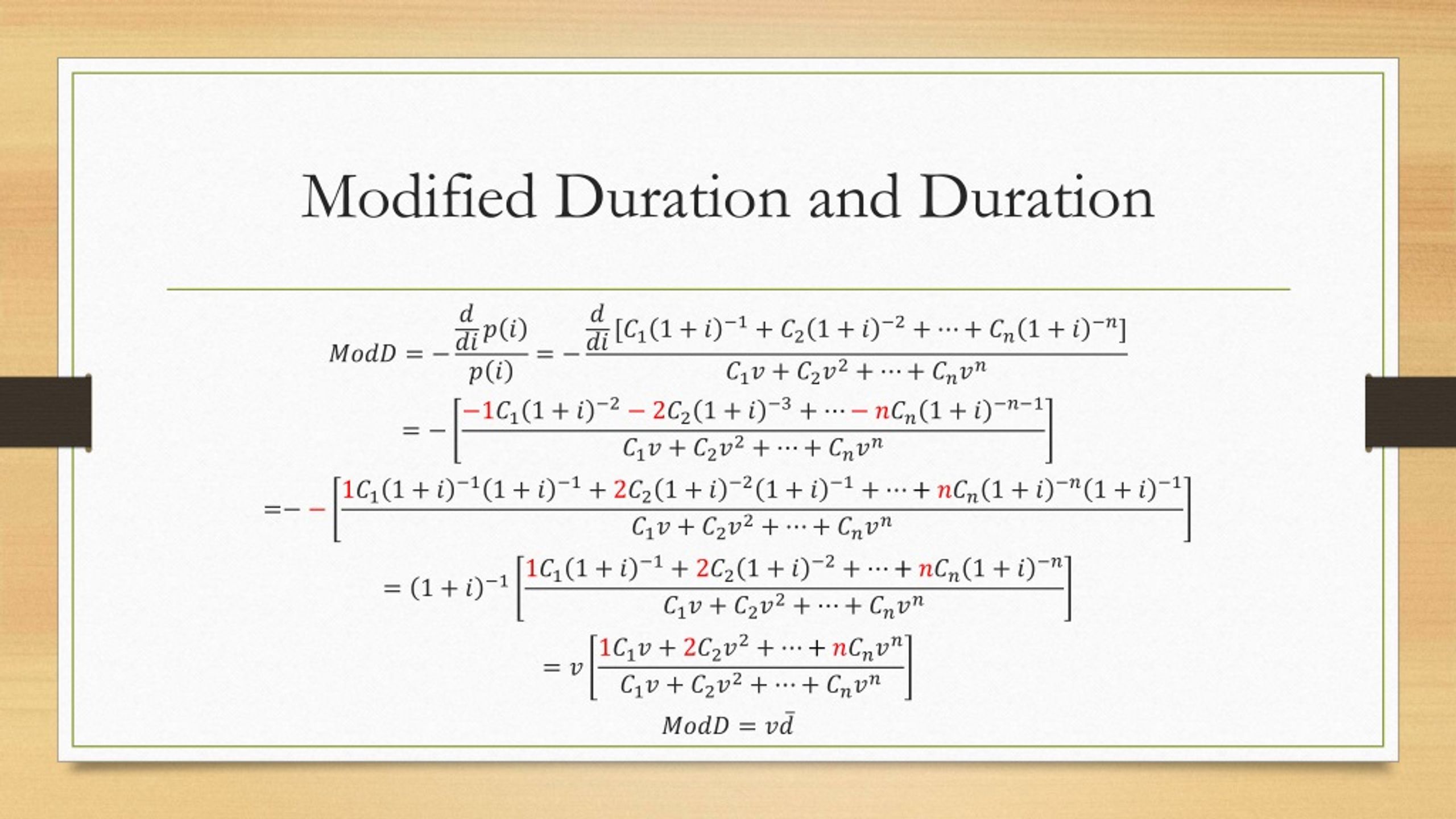
At its core, modified duration measures how much a bond’s price will change in response to a 1 % shift in yield. Think of it as the bond’s “price elasticity” to interest rates. The formula, simplified, looks like this:
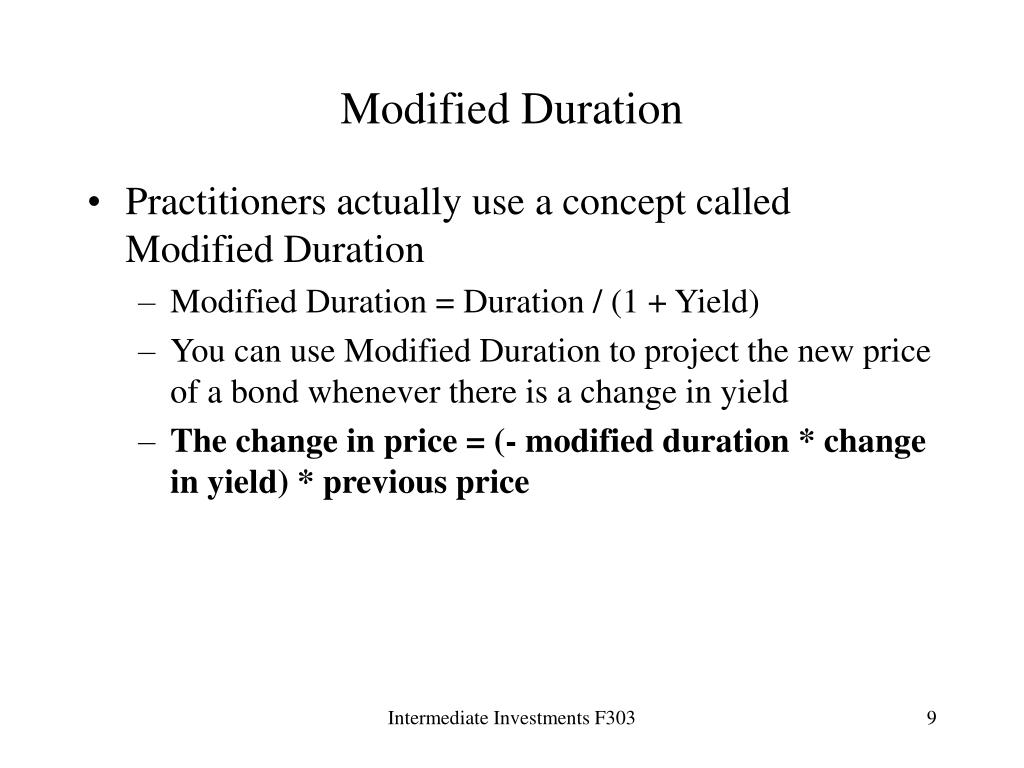
- Modified Duration = Macaulay Duration ÷ (1 + Yield/Payments per Year)
If a bond has a modified duration of 5, a 100 basis‑point rise in interest rates would typically push its price down by about 5 %.
Why the “Modified” Prefix?
The term “modified” distinguishes this metric from Macaulay duration, which is measured in years and reflects the weighted average time until cash flows are received. Modified duration, on the other hand, adjusts that figure for the current yield, making it directly useful for price‑sensitivity calculations. In short, Macaulay answers “when” the cash comes; modified answers “how much does the price move when rates shift.”
Translating the Concept for Non‑Experts
Technical definitions are great, but most readers want to know what it means for their wallets. Here’s a plain‑English translation:
- Modified duration tells you how “wiggly” a bond’s price is when interest rates move.
- If the number is high, the bond is more sensitive—think of a seesaw with a long arm.
- A low number indicates a sturdier, less reactive price—more like a short arm.
This analogy helps investors decide whether a bond fits their risk appetite. A trader betting on falling rates might chase high‑duration bonds; a conservative saver would likely stick with low‑duration options.
Practical Steps to Calculate Modified Duration
While the formula above is concise, putting numbers into practice can feel messy. Follow these steps:
- Gather the bond’s cash‑flow schedule (coupons and principal).
- Determine the yield to maturity (YTM) — most broker platforms display this.
- Calculate Macaulay duration using the weighted‑average time formula.
- Adjust for the yield: divide the Macaulay result by (1 + YTM / frequency of coupon payments).
Many financial calculators or spreadsheet templates automate the heavy lifting. Still, knowing the mechanics ensures you’re not blindly trusting a black‑box output.
Common Misconceptions
Even seasoned investors sometimes misinterpret modified duration. Here are a few pitfalls to watch out for:
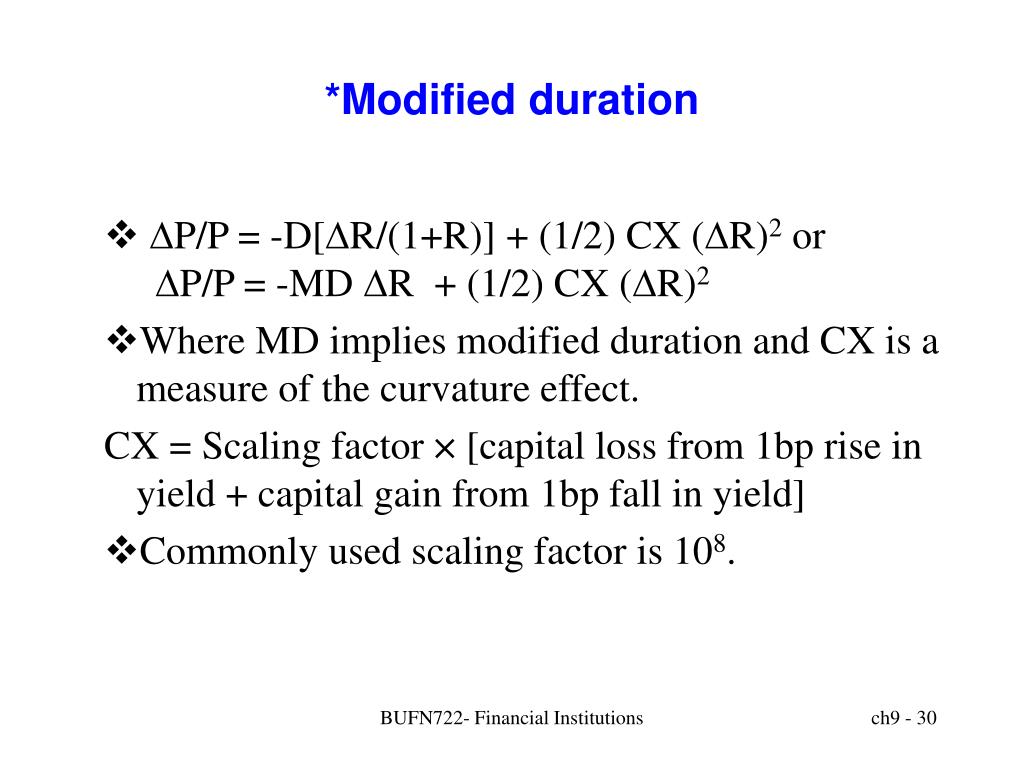
- It’s not a guarantee. The relationship holds best for small yield changes; large swings can introduce convexity effects.
- Zero‑coupon bonds are an exception. Their modified duration equals their maturity, because there’s only one cash flow.
- Floating‑rate notes behave differently. Since their coupons adjust with rates, their duration tends toward zero.
When Should You Pay Attention to Modified Duration?
In a nutshell, anytime you’re assessing interest‑rate exposure:
- Portfolio construction: balancing high‑ and low‑duration assets to match risk tolerance.
- Risk management: estimating potential price swings under various rate scenarios.
- Bond selection: comparing securities with similar yields but different sensitivities.
For a quick sanity check, compare the modified duration of a 10‑year Treasury (around 8‑9) with a 5‑year corporate bond (typically 4‑5). The Treasury will move roughly twice as much for a given rate change.
Beyond Bonds—Other Uses of Modified Duration
Although born in fixed‑income analysis, the principle finds its way into other domains:
- Mortgage‑backed securities (MBS): Duration helps gauge prepayment risk when rates shift.
- Interest‑rate swaps: Traders use duration to hedge exposure across the curve.
- Corporate finance: Companies may consider the duration of their debt mix when planning refinancing.
Key Takeaways in a Nutshell
- Modified duration = price sensitivity to a 1 % change in yield.
- It refines Macaulay duration by accounting for current yields.
- Higher numbers mean more price wiggle; lower numbers mean steadier value.
- Useful for portfolio risk, bond selection, and broader financial products.
Understanding modified duration—and being able to explain it in plain language—bridges the gap between technical analysis and everyday decision‑making. Whether you’re a novice investor or a seasoned trader, the concept offers a clear lens on how interest‑rate moves will affect your holdings.