How to Grow an Automation Engineer Career in Australia
Thinking about a future where robots, PLCs, and smart software talk to each other? That’s the world of an automation engineer, and Australia is buzzing with opportunities for those who can bridge the gap between hardware and code. Below is a practical look at the steps, qualifications, and real‑world considerations that shape a rewarding career down under.
Why Automation Engineering?
From mining operations in Western Australia to food‑processing plants in Victoria, companies are racing to boost efficiency while cutting waste. Automation engineers design, program, and maintain the systems that keep these processes humming. The payoff? Higher productivity, safer workplaces, and a career that constantly challenges you with new technology.
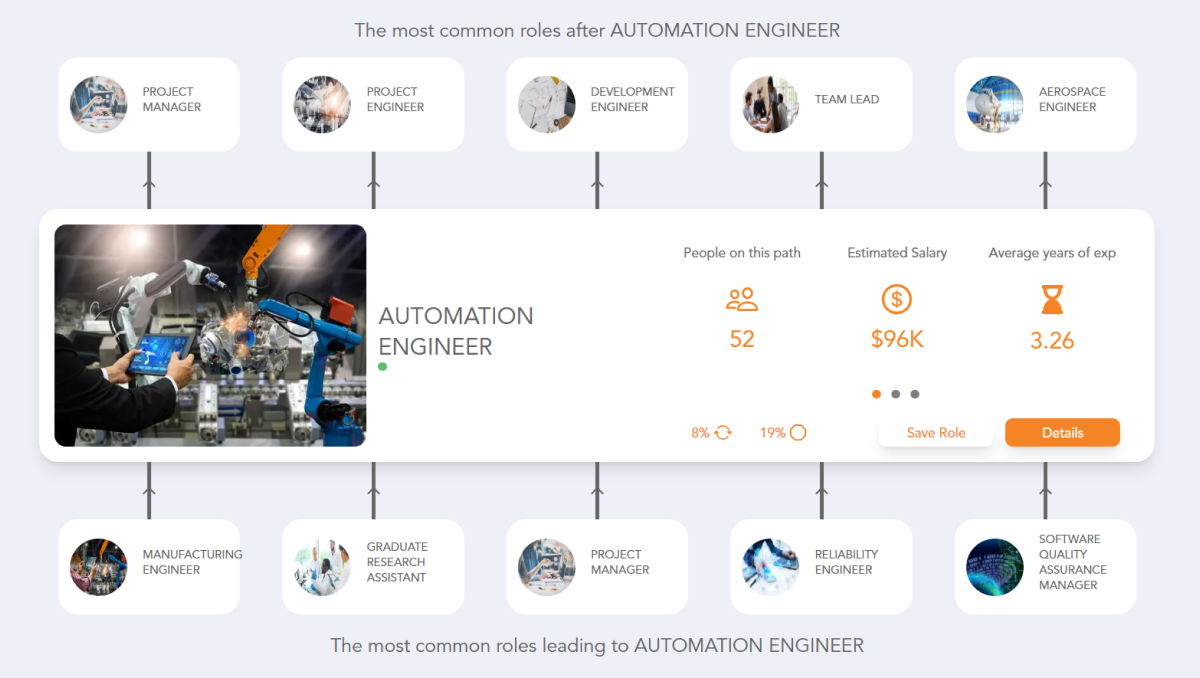
Typical Career Stages
Most professionals follow a loosely defined ladder, but you’ll often see these milestones:
- Graduate / Junior Engineer – Fresh out of university, you’ll assist senior staff, get hands‑on with PLCs, and learn the ropes of project documentation.
- Mid‑Level Engineer – After 2–4 years you’ll lead small projects, troubleshoot control loops, and start suggesting design improvements.
- Senior Engineer / Team Lead – With 5–8 years, you’ll oversee major system integrations, mentor juniors, and liaise directly with clients.
- Specialist or Manager – Over a decade, you might focus on niche areas such as robotics, HMI design, or move into roles like Engineering Manager or Technical Director.
Essential Qualifications and Skills
There’s no single “magic” certificate, but a blend of formal education and hands‑on expertise works best.
Academic Foundations
- Bachelor’s degree in Electrical, Mechanical, Mechatronics, or a dedicated Automation Engineering program.
- Relevant postgraduate studies (e.g., Master’s in Industrial Automation) are a plus for those aiming at senior roles.
Technical Proficiencies
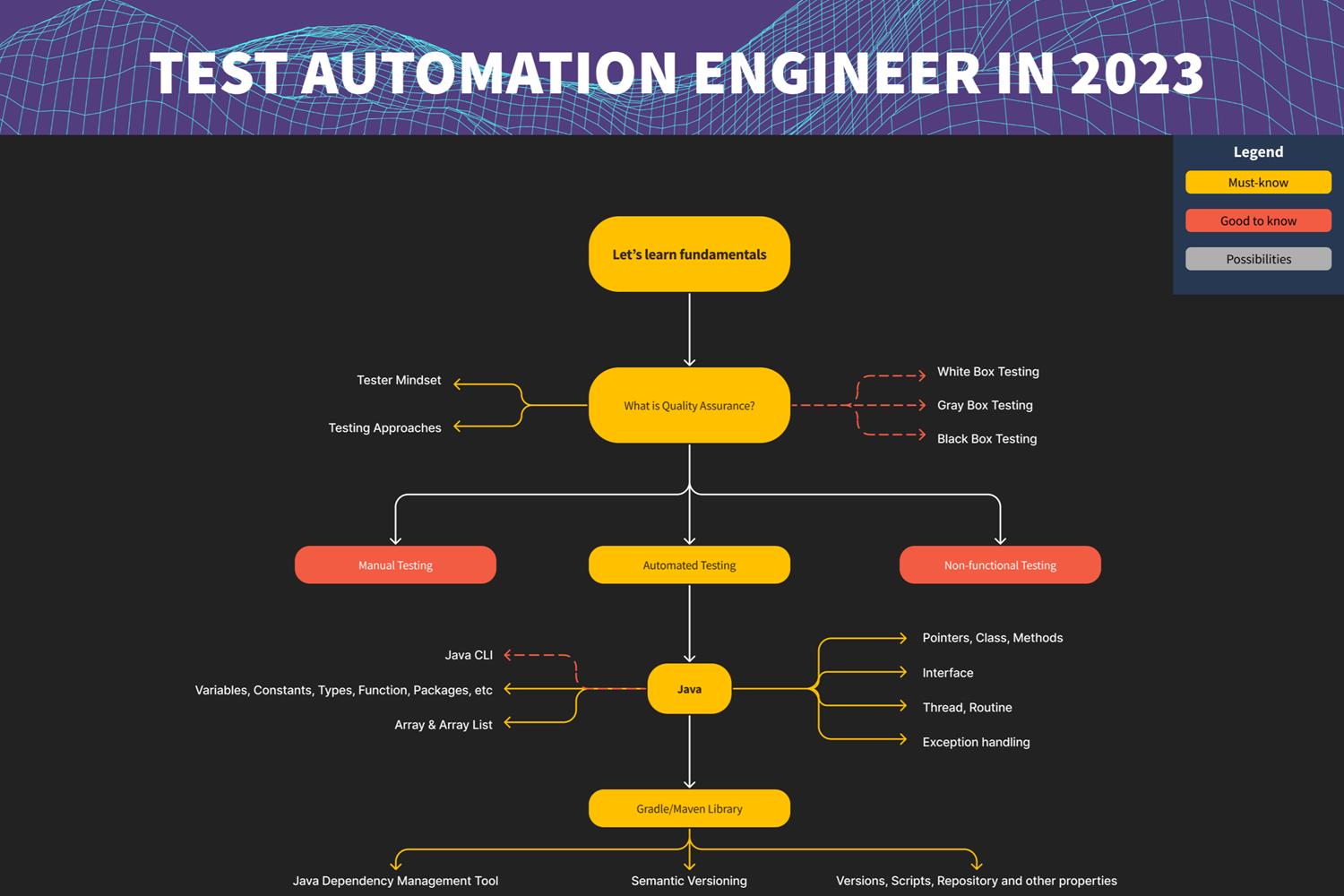
- PLC Platforms: Allen‑Bradley, Siemens, Schneider – be comfortable reading ladder logic or Structured Text.
- SCADA & HMI: Ignition, Wonderware, or Siemens WinCC.
- Programming: Python, C++, or Java for scripting and integration tasks.
- Industrial Networks: Ethernet/IP, Profibus, Modbus.
- Robotics Basics: Knowledge of ROS or vendor‑specific robot controllers can set you apart.
Soft Skills That Matter
- Clear communication – you’ll translate technical jargon for non‑engineers.
- Problem‑solving mindset – each plant has its quirks; creativity wins.
- Project management basics – timelines, budgets, and stakeholder expectations.
Getting Your Foot in the Door
Australia’s job market values both academic credentials and real‑world exposure. Here are proven entry routes:
- Internships & Co‑ops: Many universities partner with firms like BHP, Rio Tinto, or local automation integrators. Even a short stint can lead to a graduate offer.
- Graduate Programs: Companies such as ABB, Siemens, and Schneider Electric run structured two‑year rotations, exposing you to multiple sectors.
- Certifications: Vendor‑specific credentials (e.g., Rockwell Automation Certified Control Systems Engineer) signal readiness to employers.
- Personal Projects: Build a small CNC machine or a home automation hub. Document the process; it’s a great talking point in interviews.
Salary Snapshot
Compensation varies by region, industry, and experience, but a general picture emerges:
- Graduate: AU$65,000 – AU$78,000 per year.
- Mid‑Level (3‑5 years): AU$90,000 – AU$115,000.
- Senior/Lead (7+ years): AU$130,000 – AU$165,000, with potential bonuses for successful project delivery.
Adding specialist certifications or experience in high‑value sectors like oil & gas can push figures even higher.
Geographic Hotspots
While major cities host corporate headquarters, certain regions stand out for automation work:
- Perth & Pilbara: Mining automation dominates.
- Adelaide: Defence and aerospace projects often need precision control systems.
- Melbourne & Sydney: Diverse manufacturing, food processing, and tech startups.
- Brisbane: Growing renewable‑energy installations require sophisticated monitoring.
Continuing Professional Development
The field evolves faster than any single technology stack. Keeping up is less about chasing every new tool and more about establishing a learning loop.
- Attend industry conferences like Automation Show Australia or the International Society of Automation (ISA) events.
- Join local chapters of professional bodies (e.g., Engineers Australia – Automation Group).
- Subscribe to trade magazines and follow reputable YouTube channels that break down case studies.
- Dedicate a few hours each month to upskill: a short course on AI‑driven predictive maintenance, for example.
Balancing Work and Lifestyle
Automation projects can demand on‑site visits, especially during commissioning phases. However, many firms now offer flexible arrangements after the initial rollout phase. If work‑life balance is a priority, target employers who list hybrid models in their job ads or those with a strong safety culture that respects downtime.
Potential Pitfalls to Watch
No career is without bumps. Common challenges for automation engineers in Australia include:
- Scope creep: Projects can balloon without clear boundaries—learn to set realistic milestones early.
- Regulatory nuances: Certain industries (e.g., medical device manufacturing) have strict compliance requirements that add layers of documentation.
- Remote site work: Mining camps may be isolated for weeks; ensure you’re comfortable with that lifestyle before signing on.
Next Steps: Mapping Your Personal Roadmap
Take a moment to sketch a simple action plan:
- Identify your preferred industry (mining, food, renewable energy, etc.).
- Enroll in at least one vendor‑specific certification within the next six months.
- Secure an internship or graduate position that offers exposure to PLC programming.
- Join a professional network and attend a local meetup within three months.
- Set a salary target and negotiate based on your growing skill set after two years.
Following these milestones won’t guarantee a smooth ride, but it’ll give you a clear direction and measurable progress.
Automation engineering in Australia isn’t just a job—it’s a pathway to shaping how the country’s biggest industries run. With the right blend of education, certifications, and hands‑on experience, you can step into a role that’s both technically challenging and financially rewarding.